Introduction to Lonigutamab Biosimilar – Anti-IGF1R mAb
Lonigutamab Biosimilar, also known as Anti-IGF1R monoclonal antibody (mAb), is a novel therapeutic agent that targets the insulin-like growth factor 1 receptor (IGF1R). It is a biosimilar version of the original Lonigutamab, which is a fully humanized mAb developed for the treatment of various types of cancer. This research grade Lonigutamab Biosimilar has been specifically designed for use in laboratory research and pre-clinical studies.
Structure of Lonigutamab Biosimilar
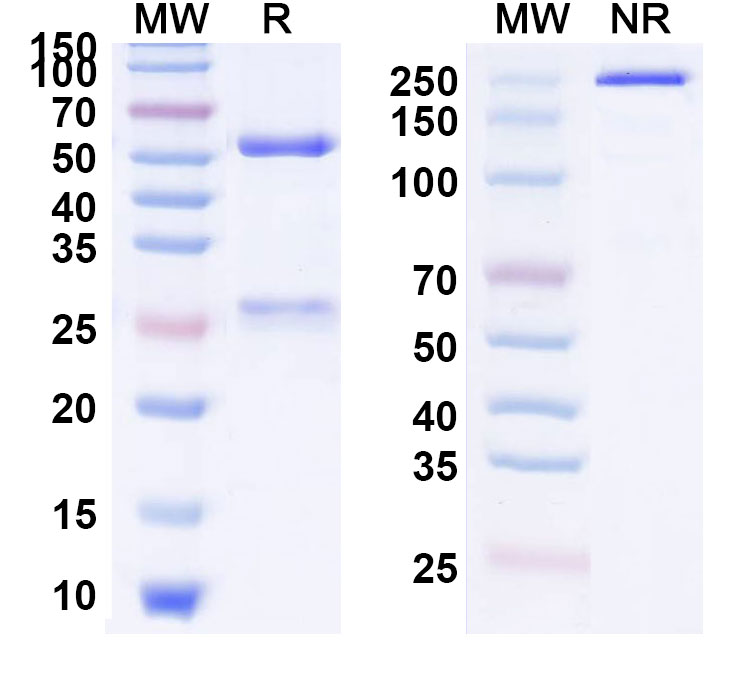
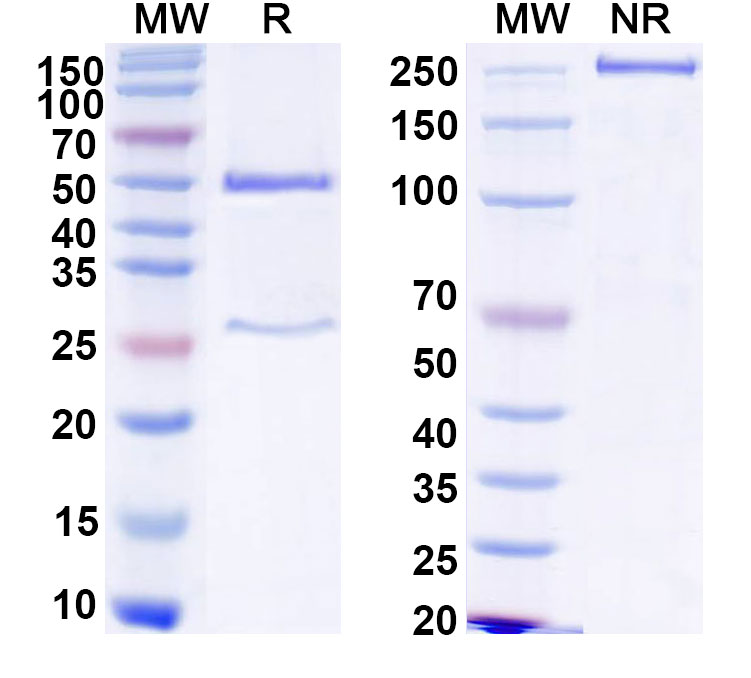
Lonigutamab Biosimilar is a recombinant human IgG1 monoclonal antibody that has been engineered to have a high binding affinity for IGF1R. It is composed of two heavy chains and two light chains, each containing a variable region that specifically recognizes and binds to IGF1R. The antibody also has a constant region that is responsible for its effector functions, such as antibody-dependent cellular cytotoxicity (ADCC) and complement-dependent cytotoxicity (CDC).
Activity of Lonigutamab Biosimilar
The primary mechanism of action of Lonigutamab Biosimilar is the inhibition of IGF1R signaling. IGF1R is a cell surface receptor that plays a crucial role in cell proliferation, survival, and differentiation. It is overexpressed in many types of cancer, making it an attractive therapeutic target. By binding to IGF1R, Lonigutamab Biosimilar prevents the binding of its ligands (insulin-like growth factor 1 and 2) and subsequently inhibits downstream signaling pathways, leading to cell cycle arrest and apoptosis.
In addition to its direct effects on
cancer cells, Lonigutamab Biosimilar also has immunomodulatory properties. It can enhance the activity of natural killer (NK) cells and macrophages, which are important components of the immune system’s anti-tumor response. This further contributes to the anti- cancer activity of the antibody.
Application of Lonigutamab Biosimilar
Lonigutamab Biosimilar has shown promising results in pre-clinical studies and is currently being evaluated in clinical trials for the treatment of various types of cancer, including solid tumors and hematological malignancies. It has been shown to have potent anti-tumor activity in vitro and in vivo, particularly in cancers that overexpress IGF1R, such as breast, lung, and prostate cancer.
In addition to its potential as a monotherapy, Lonigutamab Biosimilar also has the potential to be used in combination with other anti- cancer therapies. Studies have shown that it can enhance the activity of chemotherapy drugs and other targeted therapies, making it a promising candidate for combination treatments.
Conclusion
In summary, Lonigutamab Biosimilar is a research grade anti-IGF1R monoclonal antibody with a high binding affinity for IGF1R. It inhibits IGF1R signaling and has immunomodulatory effects, making it a promising therapeutic agent for the treatment of various types of cancer. Further studies and clinical trials are needed to fully understand its potential and efficacy in cancer treatment.

There are no reviews yet.