Introduction:
Ivicentamab Biosimilar, also known as Anti-CD37 mAb, is a monoclonal antibody that has shown promising results in the treatment of various cancers. It is a research grade antibody that specifically targets the CD37 protein, which is overexpressed in many cancer cells. In this article, we will discuss the structure, activity, and potential applications of Ivicentamab Biosimilar in the field of cancer research.
Structure of Ivicentamab Biosimilar:
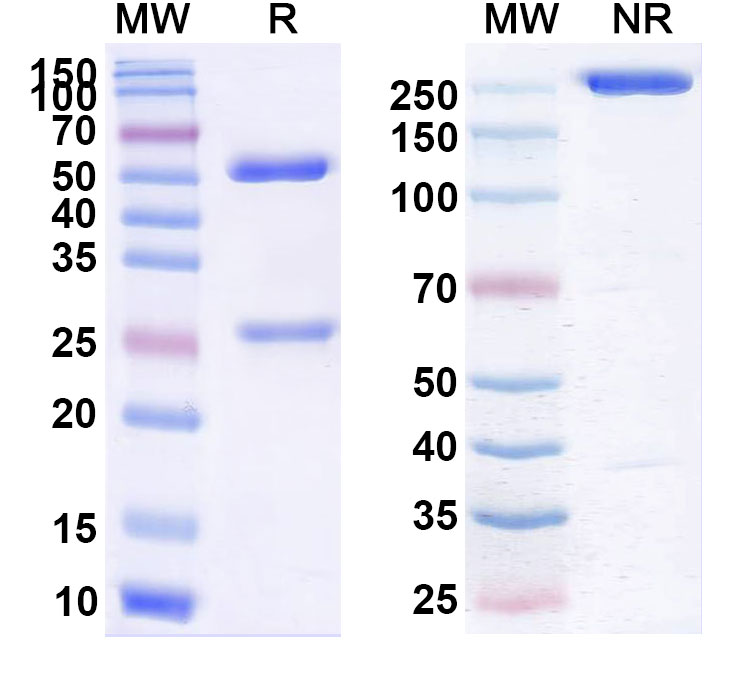
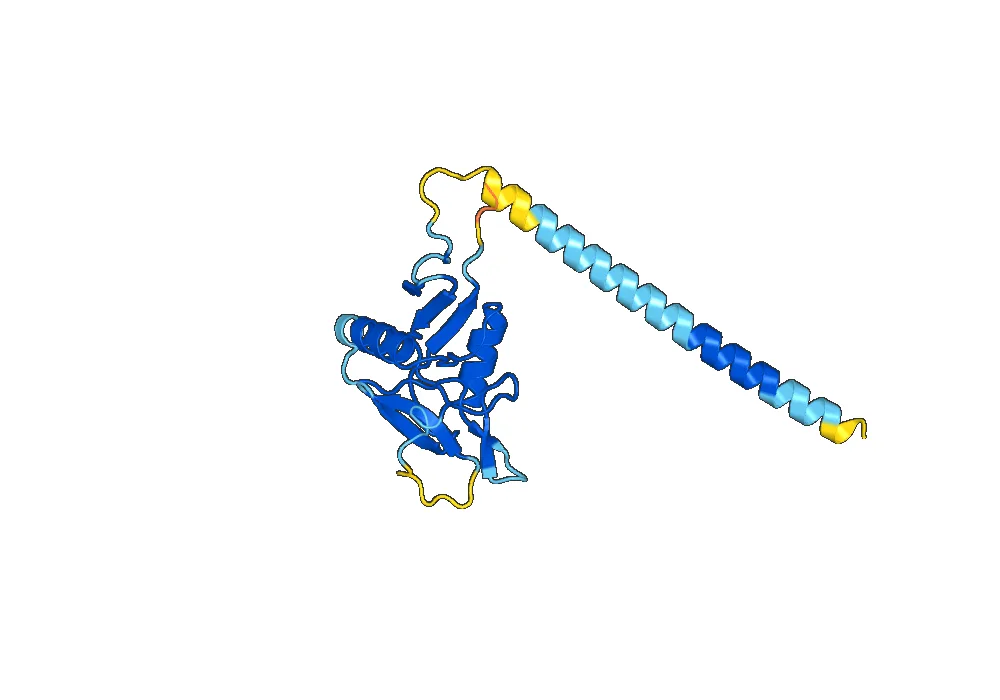
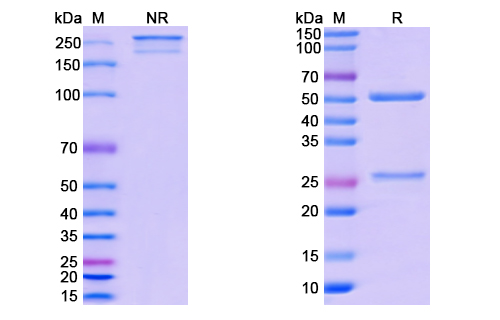
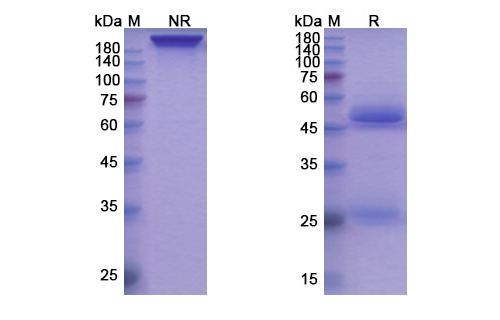
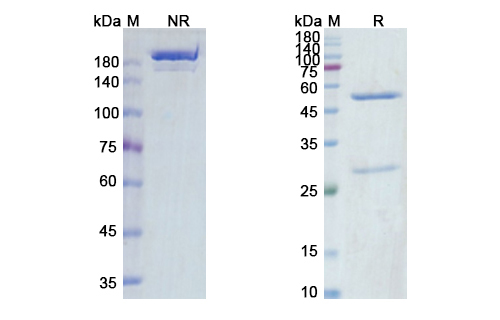
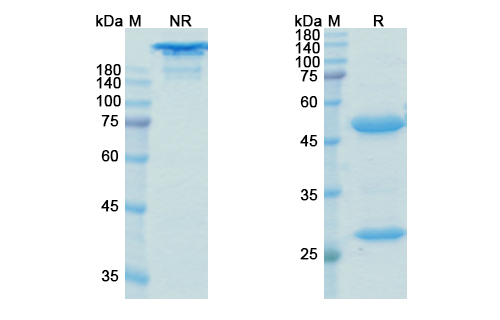
Ivicentamab Biosimilar is a recombinant humanized IgG1 monoclonal antibody with a molecular weight of approximately 150 kDa. It is produced by recombinant DNA technology in Chinese hamster ovary (CHO) cells. The antibody consists of two heavy chains and two light chains, each containing a variable region and a constant region. The variable region is responsible for the specific binding to the CD37 protein, while the constant region is responsible for the effector functions of the antibody.
Activity of Ivicentamab Biosimilar:
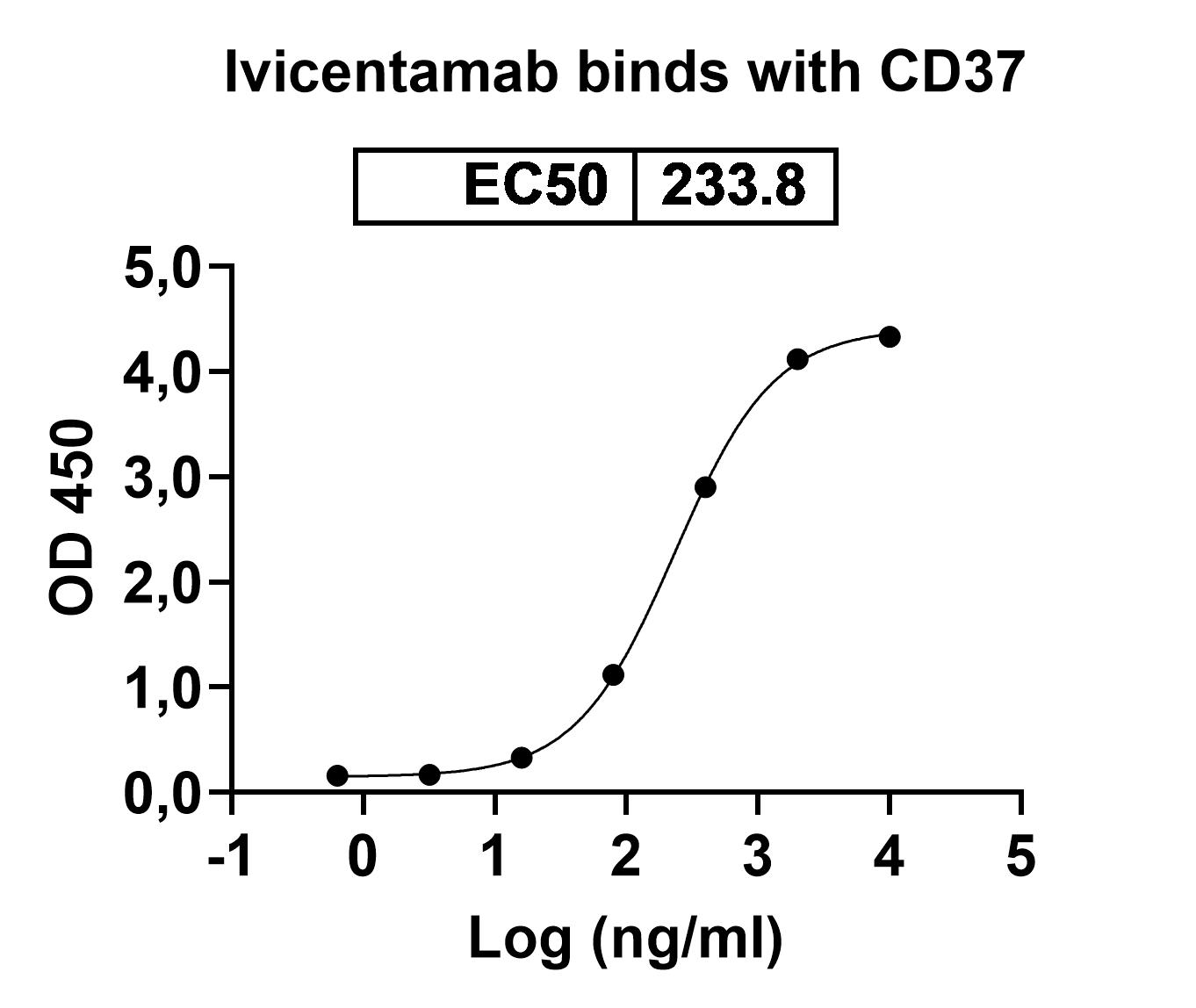
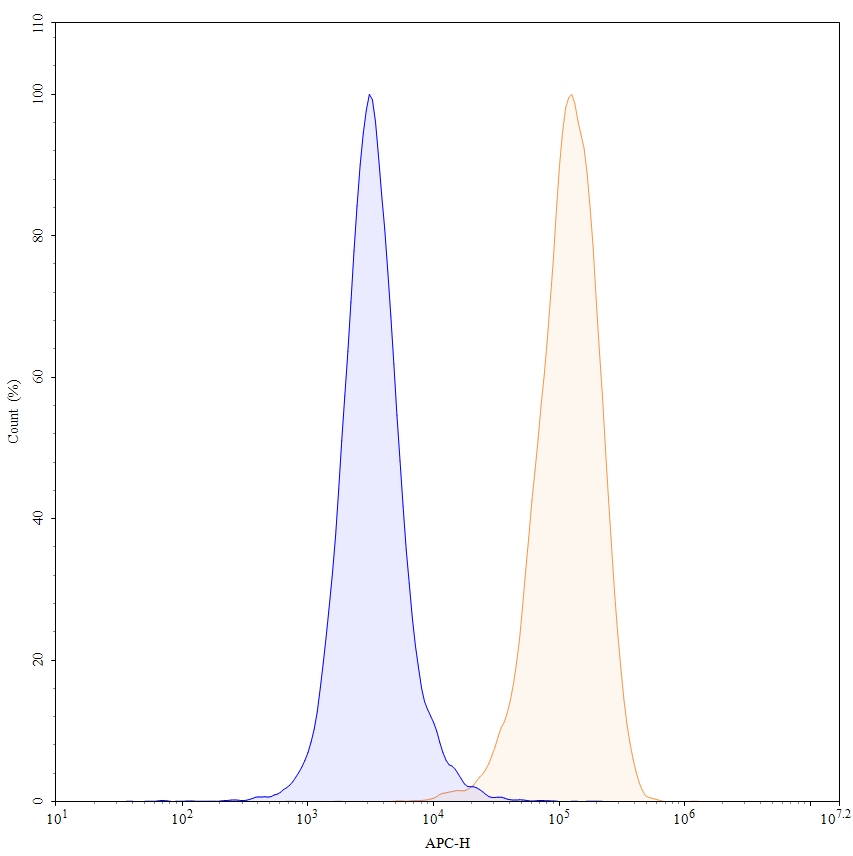
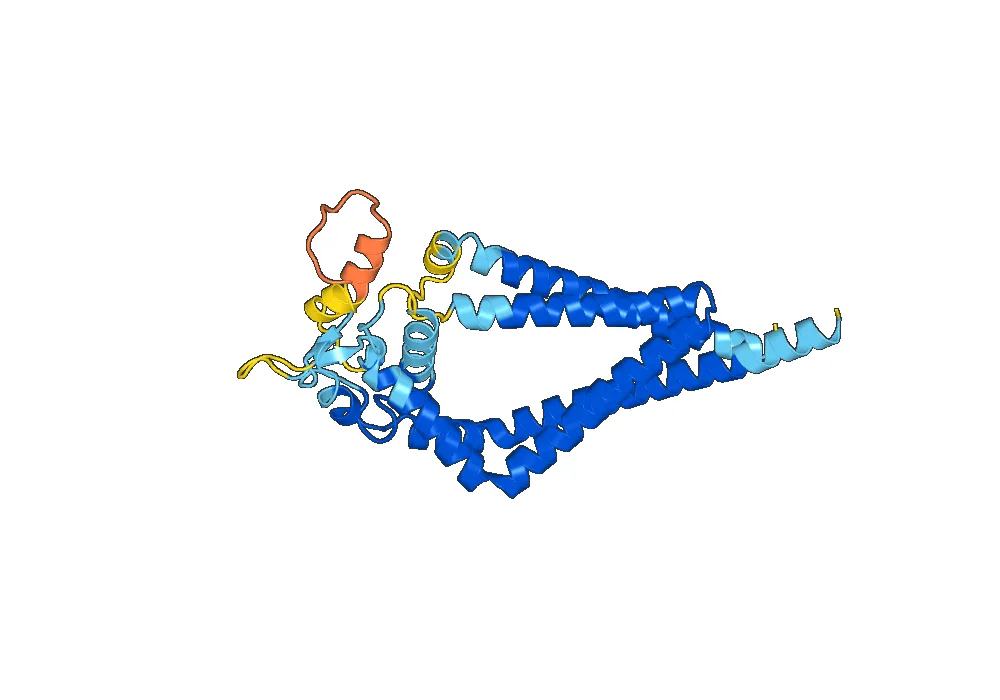
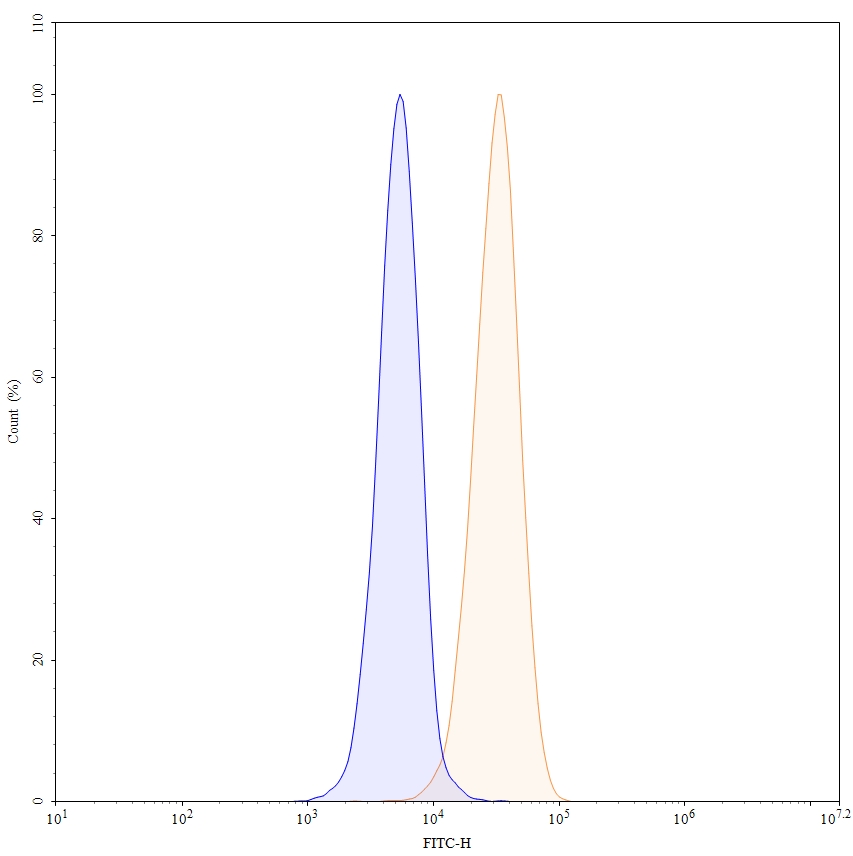
Ivicentamab Biosimilar exerts its activity by binding to the CD37 protein, which is a transmembrane protein expressed on the surface of B cells and some cancer cells. CD37 is involved in cell signaling and plays a role in cell survival, proliferation, and migration. By binding to CD37, Ivicentamab Biosimilar blocks its function, leading to inhibition of cancer cell growth and induction of cell death. Additionally, the antibody can also activate the immune system to target and destroy cancer cells through antibody-dependent cell-mediated cytotoxicity (ADCC) and complement-dependent cytotoxicity (CDC) mechanisms.
Potential Applications of Ivicentamab Biosimilar:
Ivicentamab Biosimilar has shown promising results in preclinical studies and early clinical trials for the treatment of various cancers, including B-cell malignancies such as non-Hodgkin’s lymphoma and chronic lymphocytic leukemia. It has also shown potential in the treatment of solid tumors, such as ovarian and pancreatic cancer, which overexpress CD37. The antibody has been shown to have a synergistic effect when used in combination with other cancer therapies, such as chemotherapy and targeted therapies. This makes it a promising candidate for combination therapy in the treatment of cancer.
Advantages of Ivicentamab Biosimilar:
One of the major advantages of Ivicentamab Biosimilar is its high specificity for the CD37 protein, which minimizes off-target effects and reduces the risk of adverse reactions. Its humanized structure also reduces the risk of immune reactions, making it a safe and well-tolerated treatment option. Additionally, the antibody has a long half-life, allowing for less frequent dosing and potentially improving patient compliance.
Conclusion:
In conclusion, Ivicentamab Biosimilar is a promising research grade antibody that specifically targets the CD37 protein and has shown potential in the treatment of various cancers. Its unique structure and mechanism of action make it a promising candidate for combination therapy and a potential game-changer in the field of cancer research. Further studies and clinical trials are needed to fully understand the potential of this antibody and its role in the treatment of cancer.

There are no reviews yet.