Introduction
Inezetamab Biosimilar, also known as Anti-CD40,MSLN mAb, is a monoclonal antibody that has been developed as a biosimilar to the original anti-CD40 antibody. This antibody targets two different proteins, CD40 and mesothelin (MSLN), and has shown promising results in preclinical studies for the treatment of various cancers. In this article, we will explore the structure, activity, and potential applications of Inezetamab Biosimilar as a research grade antibody.
Structure of Inezetamab Biosimilar
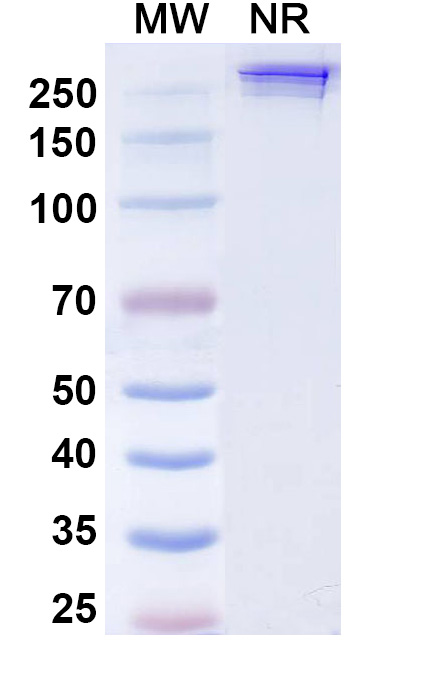
Inezetamab Biosimilar is a monoclonal antibody, which means it is produced by cloning a single type of immune cell. It is a fully humanized antibody, meaning it is derived from human cells and has a lower risk of causing an immune response in patients. The antibody has a molecular weight of approximately 150 kDa and consists of two heavy chains and two light chains. The heavy chains are composed of constant and variable regions, while the light chains only have variable regions.
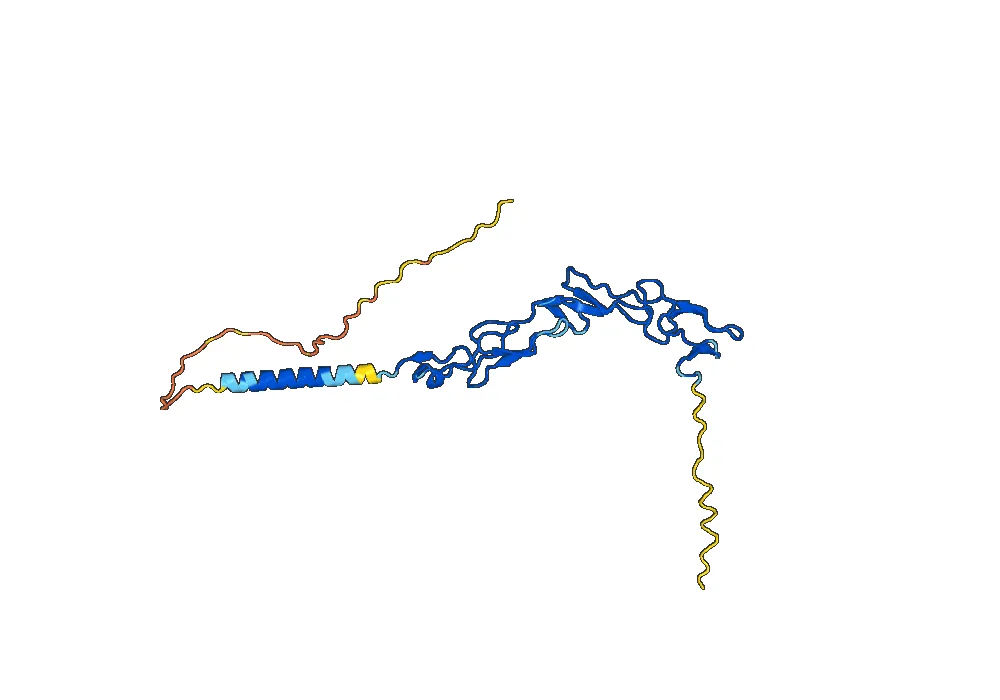
The variable regions of the antibody are responsible for binding to the target proteins, CD40 and MSLN. These regions have a specific three-dimensional shape that allows them to recognize and bind to their targets with high affinity and specificity. This binding ability is crucial for the antibody’s activity and effectiveness as a therapeutic agent.
Activity of Inezetamab Biosimilar
Inezetamab Biosimilar targets two different proteins, CD40 and MSLN, which are both involved in cancer progression. CD40 is a cell surface receptor that is expressed on immune cells and plays a critical role in activating the immune response. MSLN, on the other hand, is overexpressed in many types of cancer cells and is involved in promoting tumor growth and metastasis.
By targeting both CD40 and MSLN, Inezetamab Biosimilar has a dual mechanism of action. It can activate the immune response through CD40, leading to the destruction of cancer cells by the body’s own immune system. At the same time, it can directly target and inhibit the activity of MSLN, preventing cancer cells from growing and spreading.
Preclinical studies have shown that Inezetamab Biosimilar has potent anti-tumor activity in various cancer types, including pancreatic, ovarian, and lung cancer. It has also been shown to enhance the effectiveness of other cancer treatments, such as chemotherapy and radiation therapy.
Applications of Inezetamab Biosimilar
Inezetamab Biosimilar is currently being developed as a research grade antibody for the treatment of various cancers. It is intended for use in preclinical studies to evaluate its safety and efficacy in different cancer models. The antibody can also be used to study the role of CD40 and MSLN in cancer progression and to develop new treatment strategies targeting these proteins.
In addition, Inezetamab Biosimilar has the potential to be developed as a therapeutic antibody for clinical use. Its dual mechanism of action and promising preclinical results make it a promising candidate for the treatment of various cancers. Further clinical studies will be needed to evaluate its safety and efficacy in humans.
Conclusion
Inezetamab Biosimilar, also known as Anti-CD40,MSLN mAb, is a fully humanized monoclonal antibody that targets CD40 and MSLN, two proteins involved in cancer progression. Its unique dual mechanism of action makes it a promising candidate for the treatment of various cancers. As a research grade antibody, it is currently being evaluated in preclinical studies, but it has the potential to be developed as a therapeutic agent for clinical use in the future.
There are no reviews yet.