Introduction
IMC-1C11 Biosimilar is a novel antibody drug that targets vascular endothelial growth factor A (VEGFA) and is used for the treatment of various diseases. In this article, we will delve into the structure, activity, and applications of IMC-1C11 Biosimilar in detail.
Structure of IMC-1C11 Biosimilar
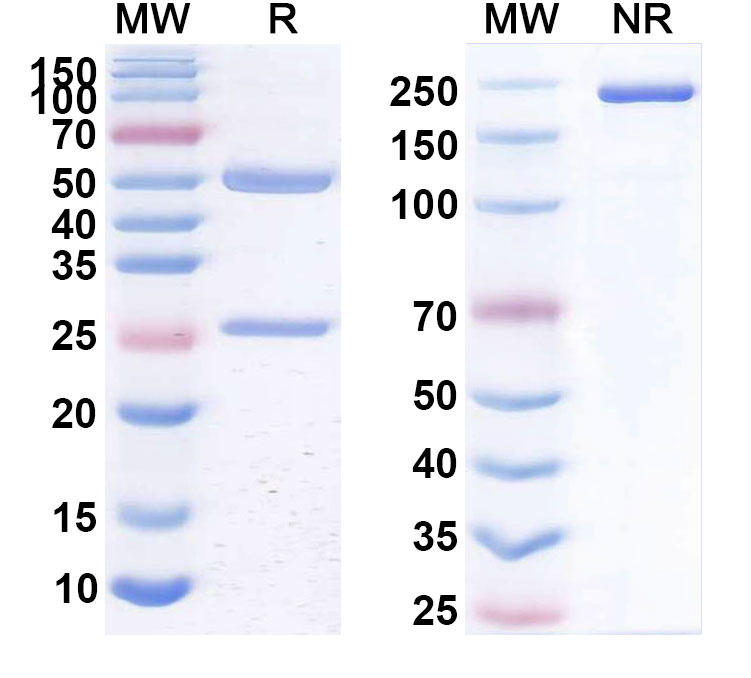
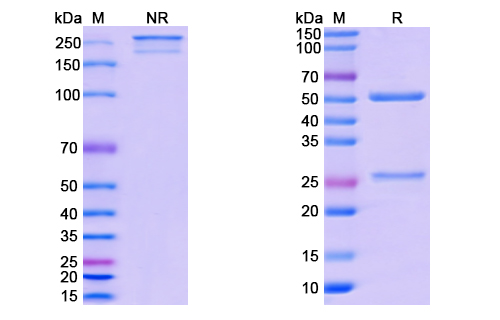
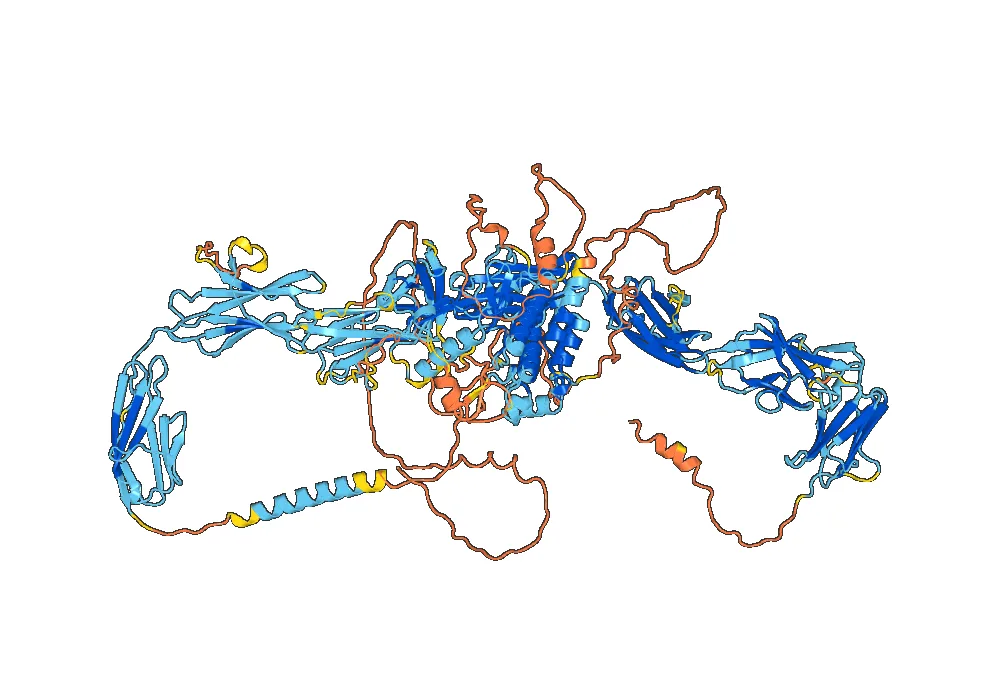
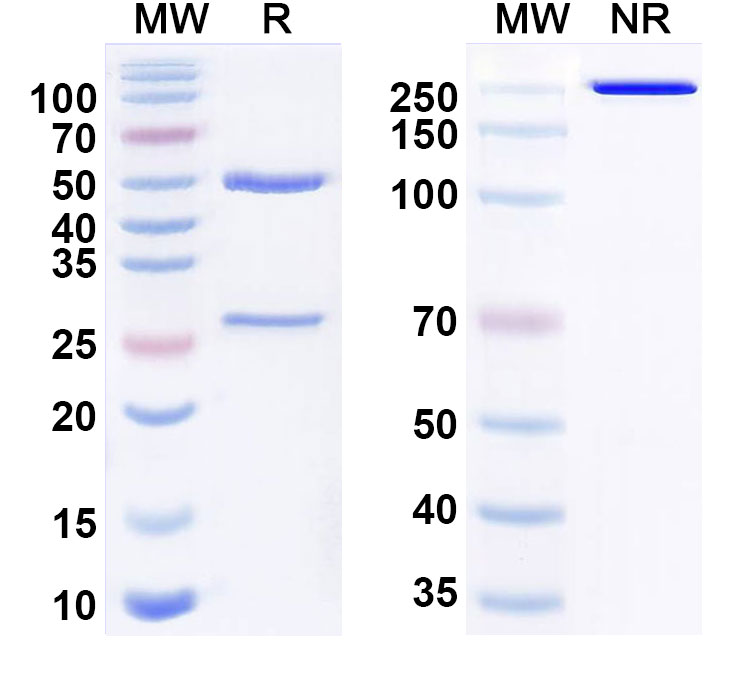
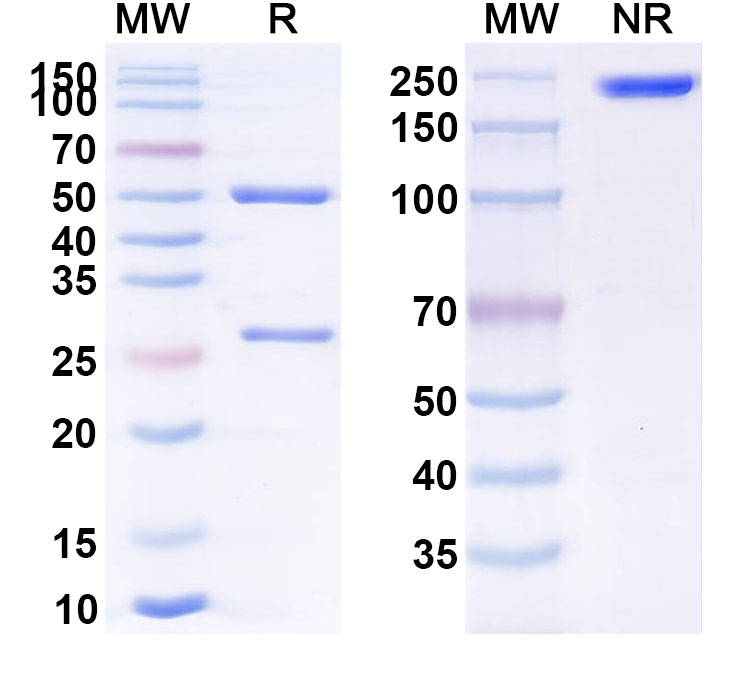
IMC-1C11 Biosimilar is a monoclonal antibody (mAb) that is produced using recombinant DNA technology. It is a biosimilar version of the anti-VEGFA mAb, bevacizumab. The antibody has a molecular weight of approximately 149 kDa and is composed of two identical heavy chains and two identical light chains. The heavy chains are approximately 50 kDa in size and the light chains are approximately 25 kDa. IMC-1C11 Biosimilar also contains two disulfide bonds that help in maintaining its structure and stability.
Mechanism of Action
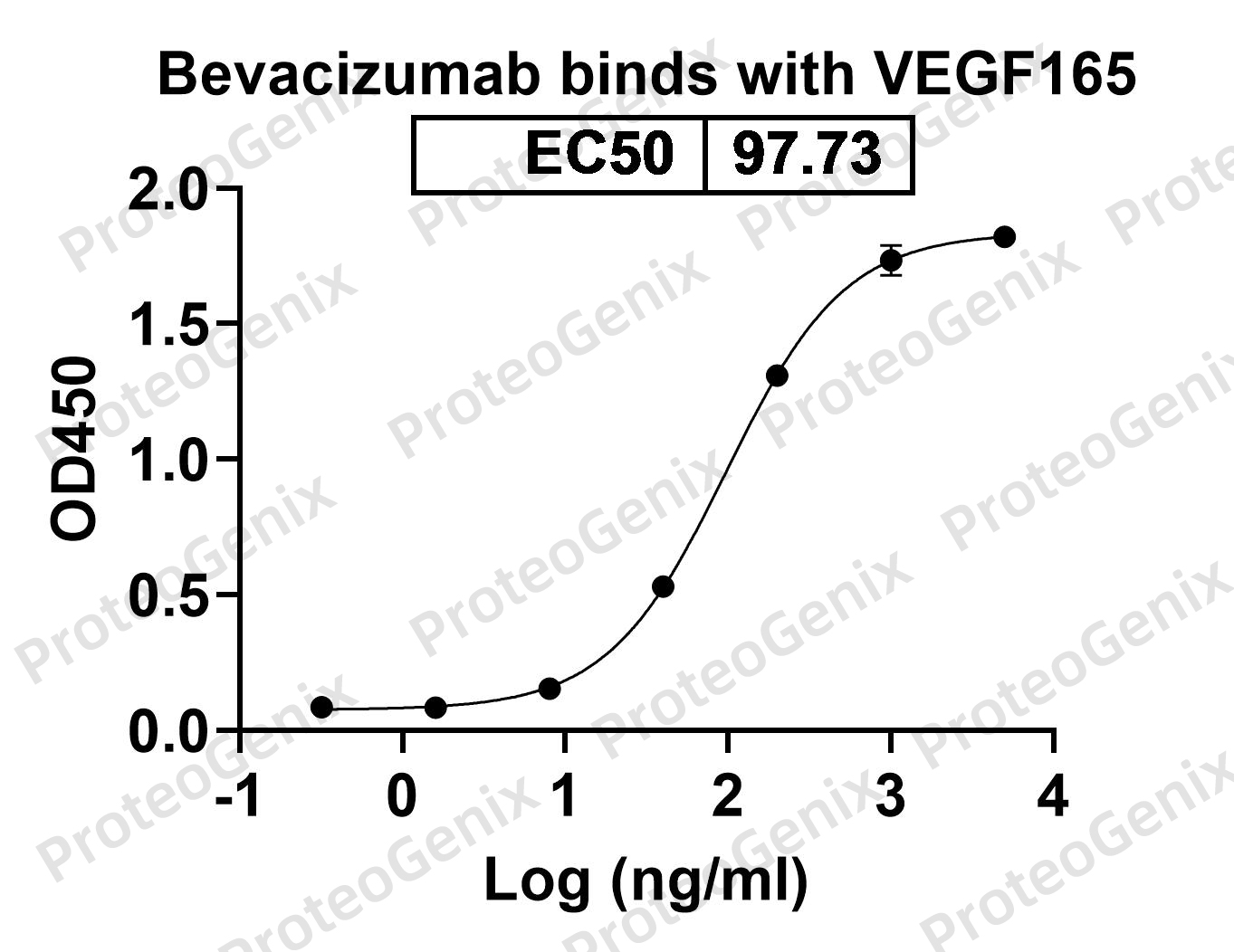
IMC-1C11 Biosimilar works by binding to VEGFA, a protein that plays a crucial role in the formation of new blood vessels. It is a potent inhibitor of VEGFA and prevents the binding of VEGFA to its receptor, VEGFR-2. This leads to the inhibition of VEGFA signaling, which is essential for the growth and survival of tumors. By blocking VEGFA, IMC-1C11 Biosimilar inhibits angiogenesis (formation of new blood vessels) and reduces tumor growth and metastasis.
Applications of IMC-1C11 Biosimilar
IMC-1C11 Biosimilar has shown promising results in various preclinical and clinical studies. It has been approved for the treatment of several types of cancers, including colorectal, lung, breast, and ovarian cancer. It is also being investigated for its potential use in other diseases, such as age-related macular degeneration, diabetic retinopathy, and rheumatoid arthritis.
Colorectal Cancer
IMC-1C11 Biosimilar has been approved for the treatment of metastatic colorectal cancer. In a phase III clinical trial, it was shown to significantly improve progression-free survival and overall survival when used in combination with chemotherapy. It is also being investigated for its use in earlier stages of colorectal cancer.
Lung Cancer Lung
cancer is the leading cause of cancer-related deaths worldwide. IMC-1C11 Biosimilar has shown promising results in the treatment of non-small cell lung cancer (NSCLC). In a phase III clinical trial, it was shown to significantly improve overall survival when used in combination with chemotherapy. It is also being investigated for its use in other types of lung cancer.
Breast Cancer
IMC-1C11 Biosimilar is also approved for the treatment of metastatic breast cancer. In a phase III clinical trial, it was shown to significantly improve progression-free survival when used in combination with chemotherapy. It is also being investigated for its use in other types of breast cancer, including HER2-positive breast cancer.
Ovarian Cancer Ovarian
cancer is the fifth leading cause of cancer-related deaths among women. IMC-1C11 Biosimilar has shown promising results in the treatment of ovarian cancer. In a phase III clinical trial, it was shown to significantly improve progression-free survival when used in combination with chemotherapy. It is also being investigated for its use in other types of ovarian cancer.
Conclusion
IMC-1C11 Biosimilar is a novel antibody drug that specifically targets VEGFA and has shown promising results in the treatment of various types of cancers. Its unique mechanism of action makes it a valuable therapeutic option for patients with cancer. With ongoing research and clinical trials, IMC-1C11 Bios

There are no reviews yet.