Introduction
Iluzanebart Biosimilar is a promising therapeutic antibody that targets the Triggering receptor expressed on myeloid cells 2 (TREM2) protein. This biosimilar is a research-grade version of the original Iluzanebart antibody, which has shown significant potential in treating various neurological disorders. In this article, we will delve into the structure, activity, and potential applications of Iluzanebart Biosimilar in the field of immunotherapy.
Structure of Iluzanebart Biosimilar
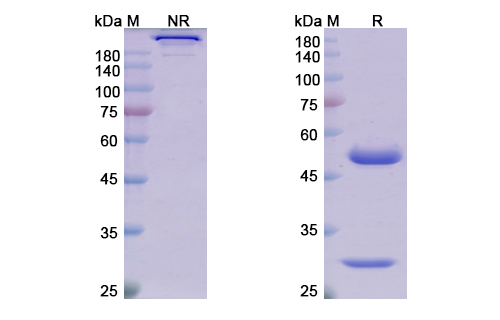
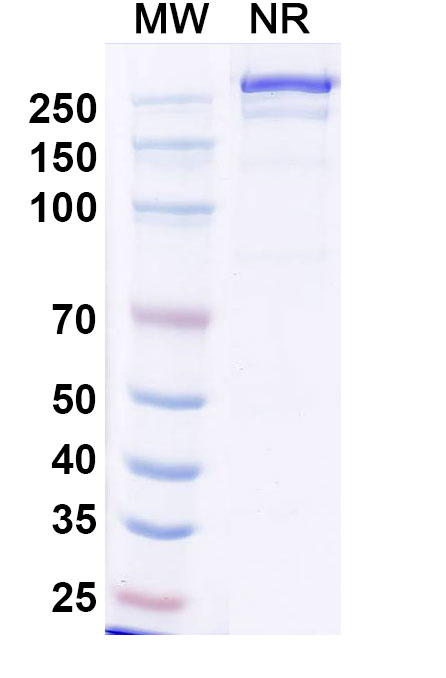
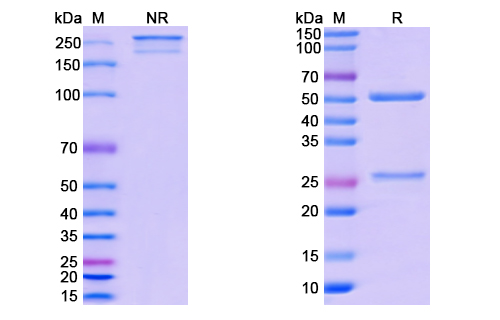
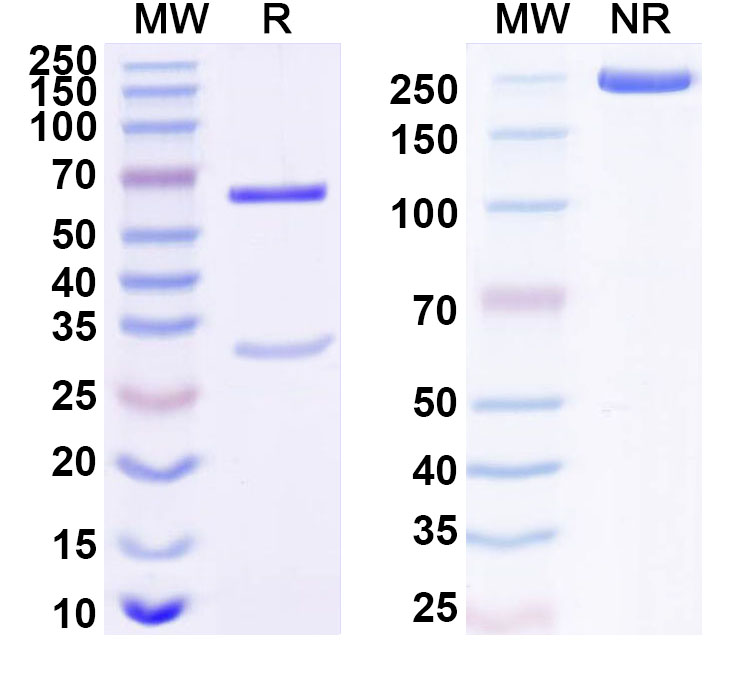
Iluzanebart Biosimilar is a monoclonal antibody, which means it is produced from a single type of immune cell. It is composed of two identical heavy chains and two identical light chains, which are connected by disulfide bonds. The heavy chains contain a variable region, responsible for binding to the target protein, and a constant region, which determines the antibody’s effector functions. The light chains also have a variable and a constant region, but their main role is to assist in target binding. Iluzanebart Biosimilar has a molecular weight of approximately 150 kDa and is highly specific to TREM2 protein.
Activity of Iluzanebart Biosimilar
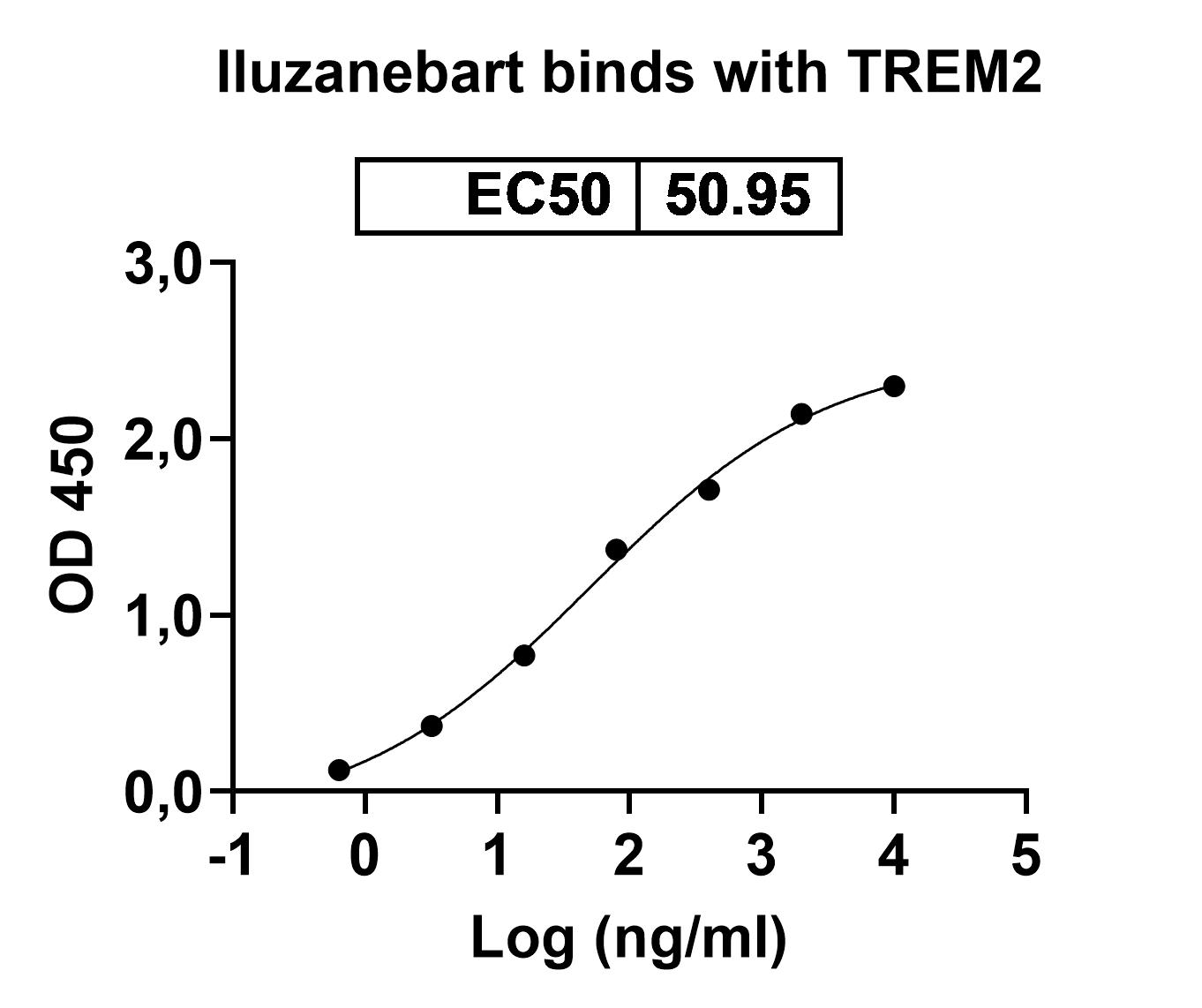
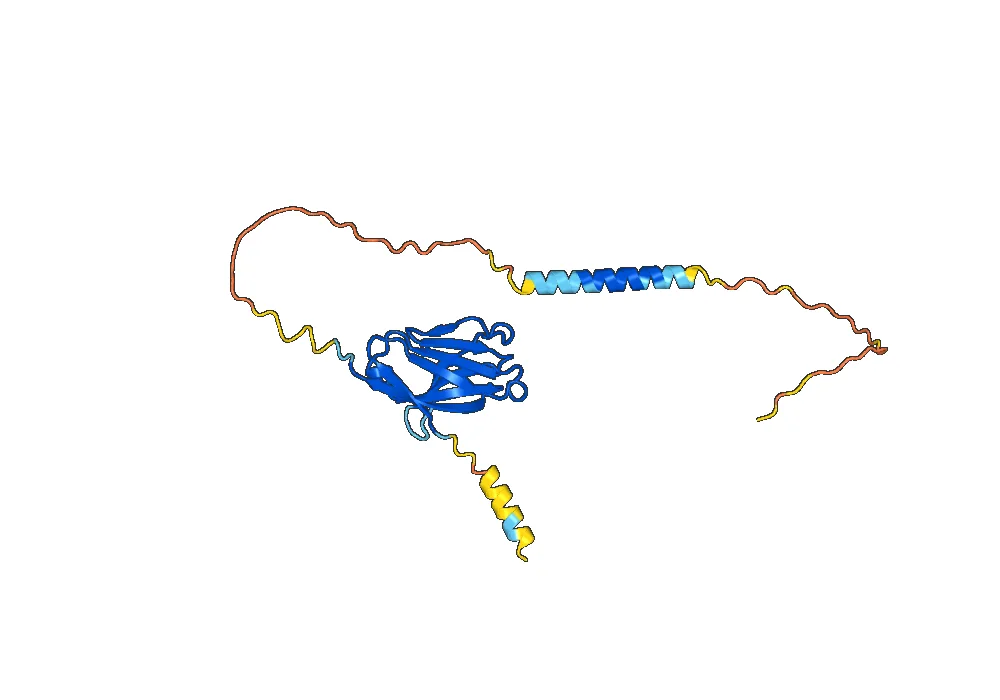
TREM2 is a transmembrane protein that is expressed on the surface of myeloid cells, such as macrophages and microglia. It plays a crucial role in modulating the immune response and maintaining tissue homeostasis. However, in certain neurological disorders, such as Alzheimer’s disease and multiple sclerosis, TREM2 is overactivated, leading to an excessive inflammatory response and tissue damage. Iluzanebart Biosimilar works by binding to TREM2 and inhibiting its activity, thereby reducing inflammation and protecting against tissue damage.
Applications of Iluzanebart Biosimilar
Due to its specific targeting of TREM2, Iluzanebart Biosimilar has potential applications in various neurological disorders. In Alzheimer’s disease, for example, the overactivation of TREM2 leads to the accumulation of amyloid plaques and neuroinflammation, which are key contributors to disease progression. By inhibiting TREM2, Iluzanebart Biosimilar can potentially slow down the progression of the disease and improve cognitive function. Similarly, in multiple sclerosis, the overactivation of TREM2 leads to demyelination of nerve fibers, causing neurological symptoms. Iluzanebart Biosimilar can potentially prevent this demyelination and improve the overall outcome of the disease.
Aside from neurological disorders, Iluzanebart Biosimilar may also have applications in other inflammatory conditions, such as rheumatoid arthritis and inflammatory bowel disease. In these diseases, TREM2 is also overactivated, leading to tissue damage and inflammation. By targeting TREM2, Iluzanebart Biosimilar can potentially reduce inflammation and improve disease outcomes.
Future Directions
Iluzanebart Biosimilar is currently in the early stages of research and development, with promising preclinical data. However, more studies are needed to fully understand its potential and determine its safety and efficacy in human trials. Additionally, further research is needed to explore the potential of Iluzanebart Biosimilar in other inflammatory conditions and to optimize its dosing and administration.
Conclusion
In summary, Iluzanebart Biosimilar is a research-grade antibody that targets the TREM2 protein. Its specific binding to TREM2 makes it a promising candidate for the treatment of various neurological and inflammatory disorders. With further research and development, Iluzanebart Biosimilar has the potential to become a valuable addition to the arsenal of immunotherapies targeting TREM2.
There are no reviews yet.