Introduction
Iladatuzumab Biosimilar, also known as Anti-CD79B mAb, is a monoclonal antibody that has been developed as a biosimilar to the therapeutic antibody, obinutuzumab. It specifically targets CD79B, a protein that is expressed on the surface of B-cells. This article will provide a scientific description of Iladatuzumab Biosimilar, including its structure, activity, and potential applications.
Structure of Iladatuzumab Biosimilar
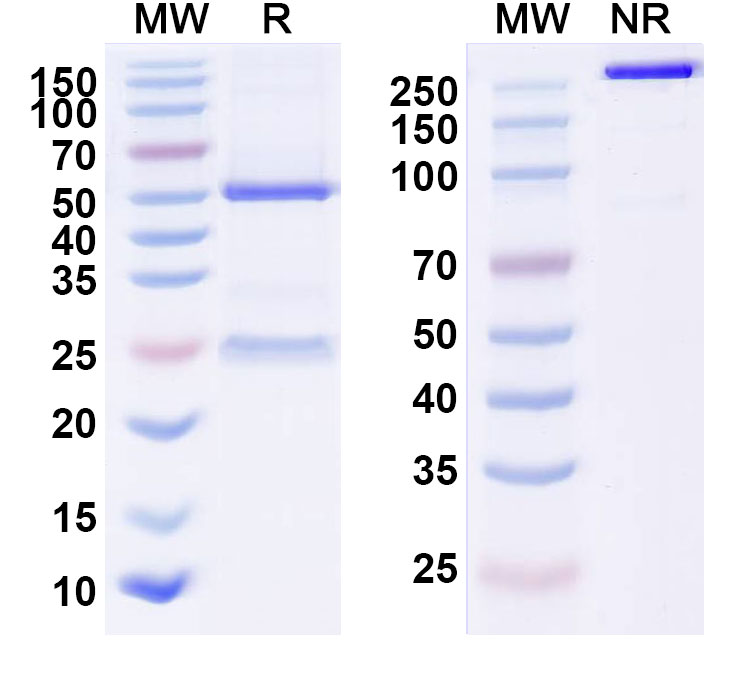
Iladatuzumab Biosimilar is a recombinant monoclonal antibody that has been engineered to have a similar structure to obinutuzumab. It is composed of two heavy chains and two light chains, which are connected by disulfide bonds. The heavy chains consist of four constant domains (CH1, CH2, CH3, and CH4) and one variable domain (VH), while the light chains consist of two constant domains (CL and CL1) and one variable domain (VL). The variable domains of both the heavy and light chains are responsible for binding to the target protein, CD79B.
Activity of Iladatuzumab Biosimilar
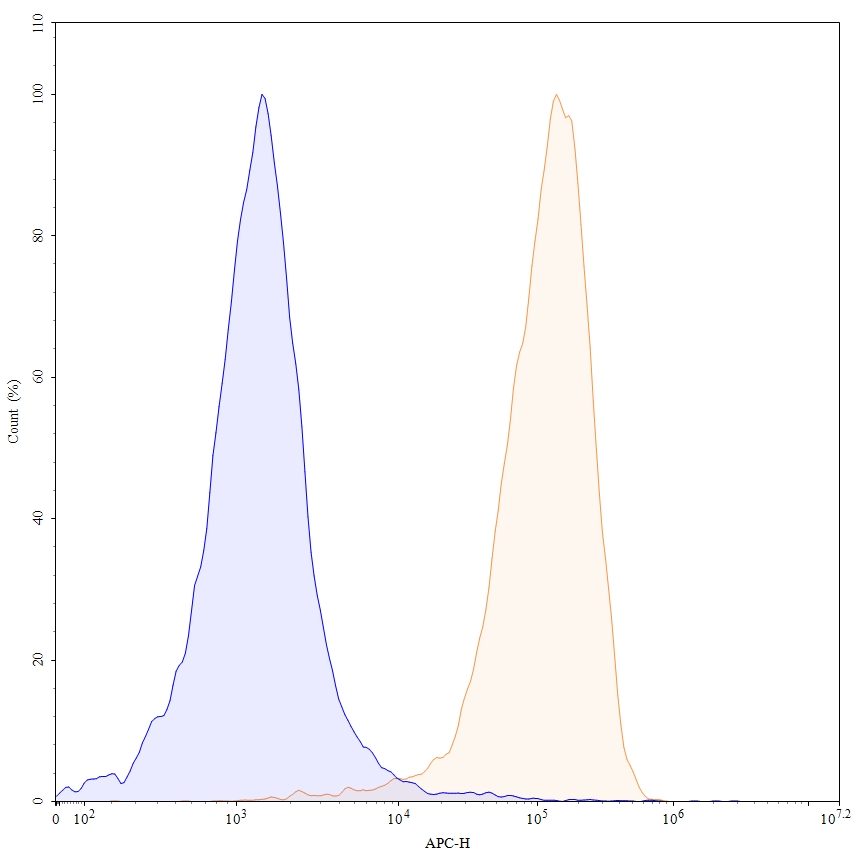
Iladatuzumab Biosimilar binds to CD79B with high specificity and affinity, leading to the inhibition of B-cell receptor (BCR) signaling. CD79B is a key component of the BCR complex, which is responsible for initiating B-cell activation and proliferation. By targeting CD79B, Iladatuzumab Biosimilar effectively blocks BCR signaling, preventing B-cell activation and proliferation.
In addition to its direct activity on B-cells, Iladatuzumab Biosimilar also has an indirect mechanism of action. It has been shown to induce antibody-dependent cellular cytotoxicity (ADCC) and complement-dependent cytotoxicity (CDC) against CD79B-expressing B-cells. This means that Iladatuzumab Biosimilar can recruit immune cells and complement proteins to target and kill B-cells, further enhancing its therapeutic activity.
Potential Applications of Iladatuzumab Biosimilar
Iladatuzumab Biosimilar has been developed as a potential treatment for B-cell malignancies, including non-Hodgkin’s lymphoma (NHL) and chronic lymphocytic leukemia (CLL). CD79B is highly expressed on the surface of B-cell lymphomas and leukemias, making it an ideal therapeutic target for Iladatuzumab Biosimilar. In preclinical studies, Iladatuzumab Biosimilar has shown promising results in inhibiting tumor growth and inducing cell death in CD79B-positive cancer cells.
Furthermore, Iladatuzumab Biosimilar has the potential to be used in combination with other therapies, such as chemotherapy or other targeted therapies. The combination of Iladatuzumab Biosimilar with other treatments may lead to synergistic effects and improve overall treatment outcomes.
Iladatuzumab Biosimilar is also being investigated for its potential use in autoimmune diseases, such as rheumatoid arthritis and systemic lupus erythematosus. CD79B has been implicated in the pathogenesis of these diseases, and targeting it with Iladatuzumab Biosimilar may provide a novel therapeutic approach.
Conclusion
In summary, Iladatuzumab Biosimilar is a recombinant monoclonal antibody that specifically targets CD79B, a protein expressed on the surface of B-cells. Its structure is similar to that of obinutuzumab, and it has been shown to have high specificity and affinity for CD79B. Iladatuzumab Biosimilar inhibits BCR signaling and has the potential to induce ADCC and CDC against CD79B-expressing cells. It is being developed as a potential treatment for B-cell malignancies and autoimmune diseases. Further research is needed to fully understand the therapeutic potential of Iladatuzumab Biosimilar and its role in the treatment of these diseases.


There are no reviews yet.