Introduction:
Ieramilimab Biosimilar, also known as Anti-LAG3 mAb, is a research grade monoclonal antibody that has shown promising results in pre-clinical studies as a potential therapeutic target for various diseases. This article will provide a detailed description of the structure, activity, and potential applications of Ieramilimab Biosimilar in the field of immunotherapy.
Structure of Ieramilimab Biosimilar:
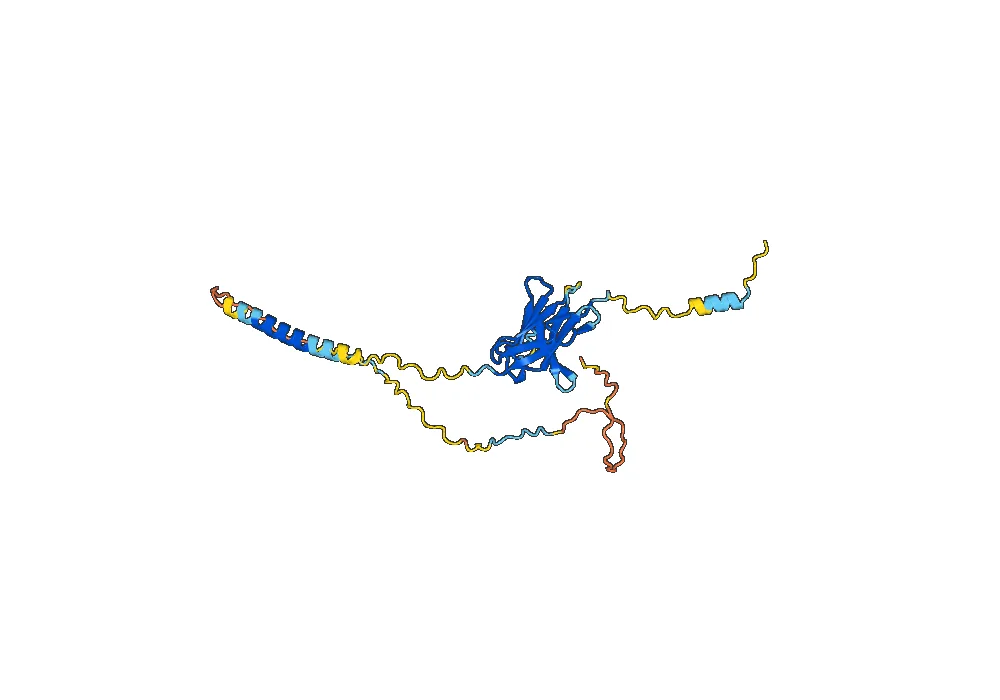
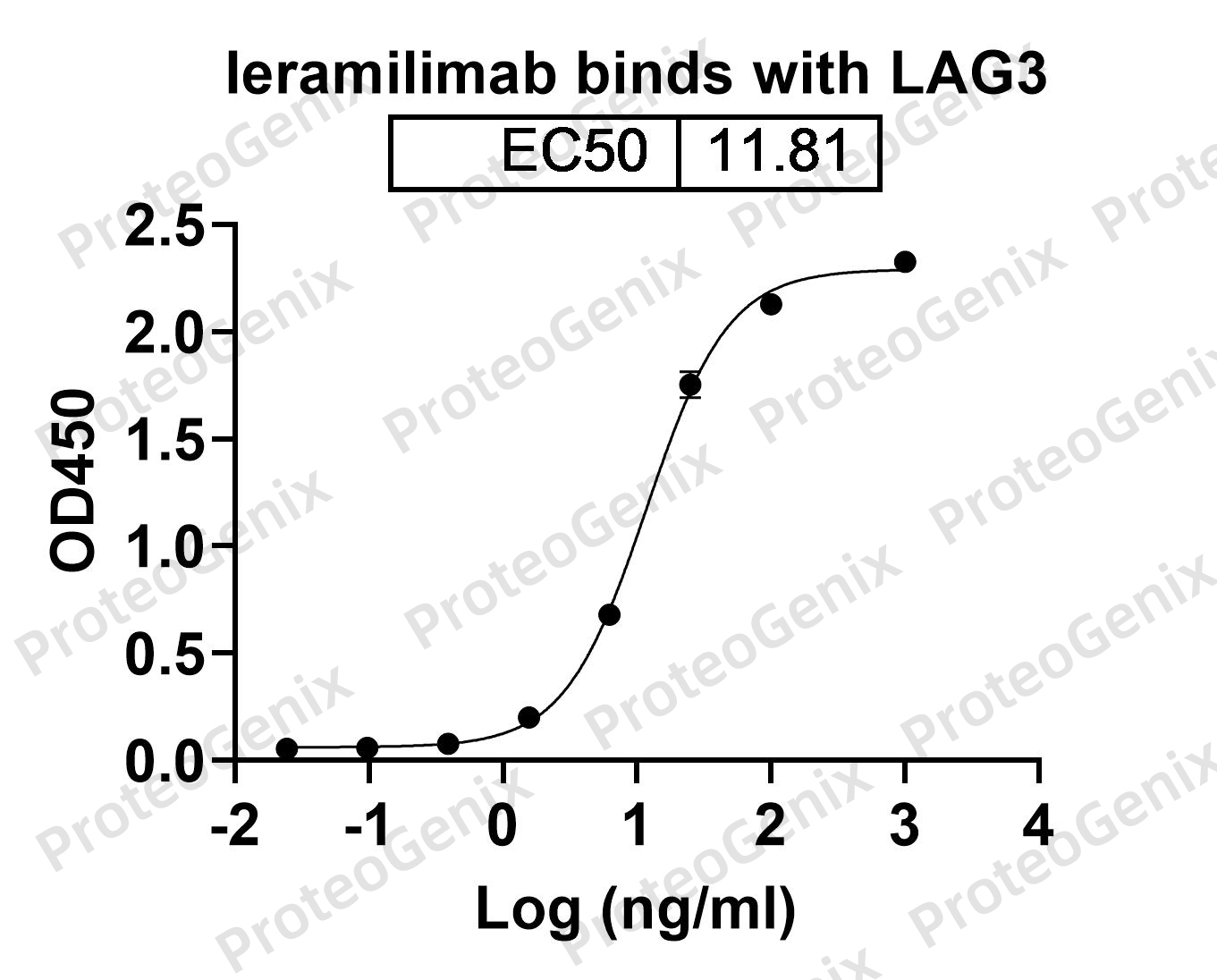
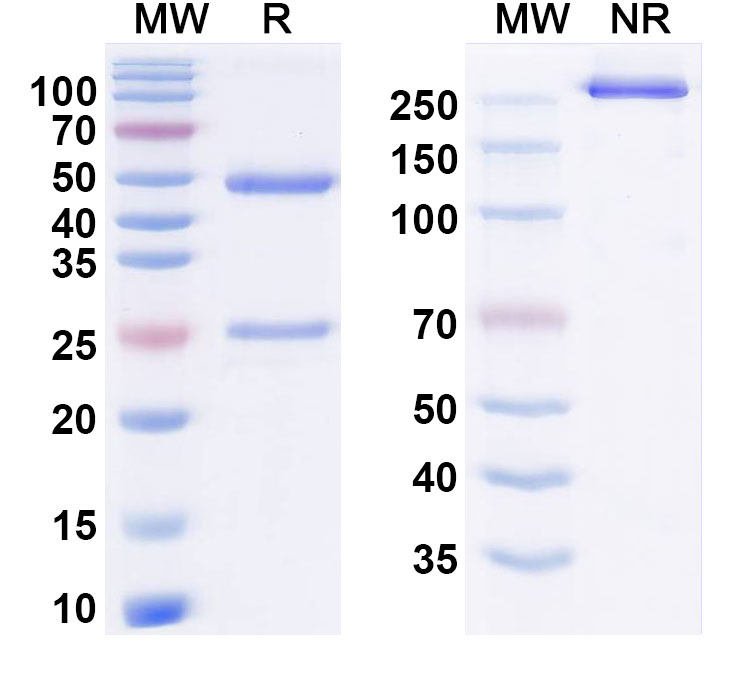
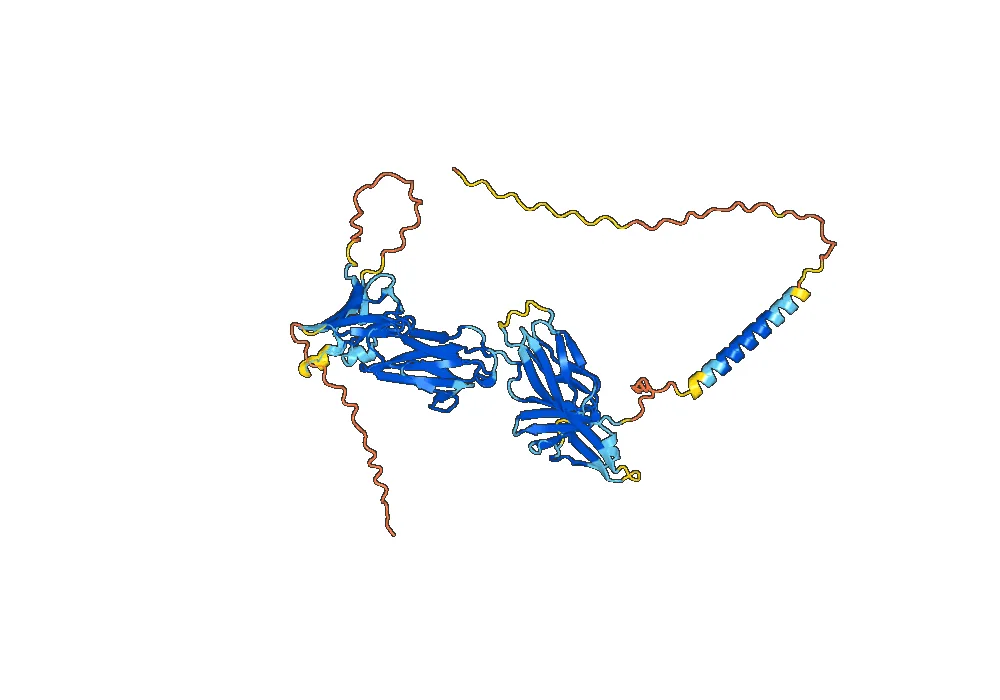
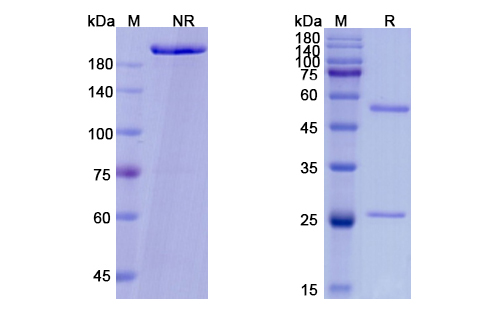
Ieramilimab Biosimilar is a humanized monoclonal antibody that targets the lymphocyte activation gene 3 (LAG3) protein. It is composed of two identical heavy chains and two identical light chains, each containing a variable and constant region. The variable region of the antibody is responsible for binding to the LAG3 protein, while the constant region determines the effector function of the antibody.
Activity of Ieramilimab Biosimilar:
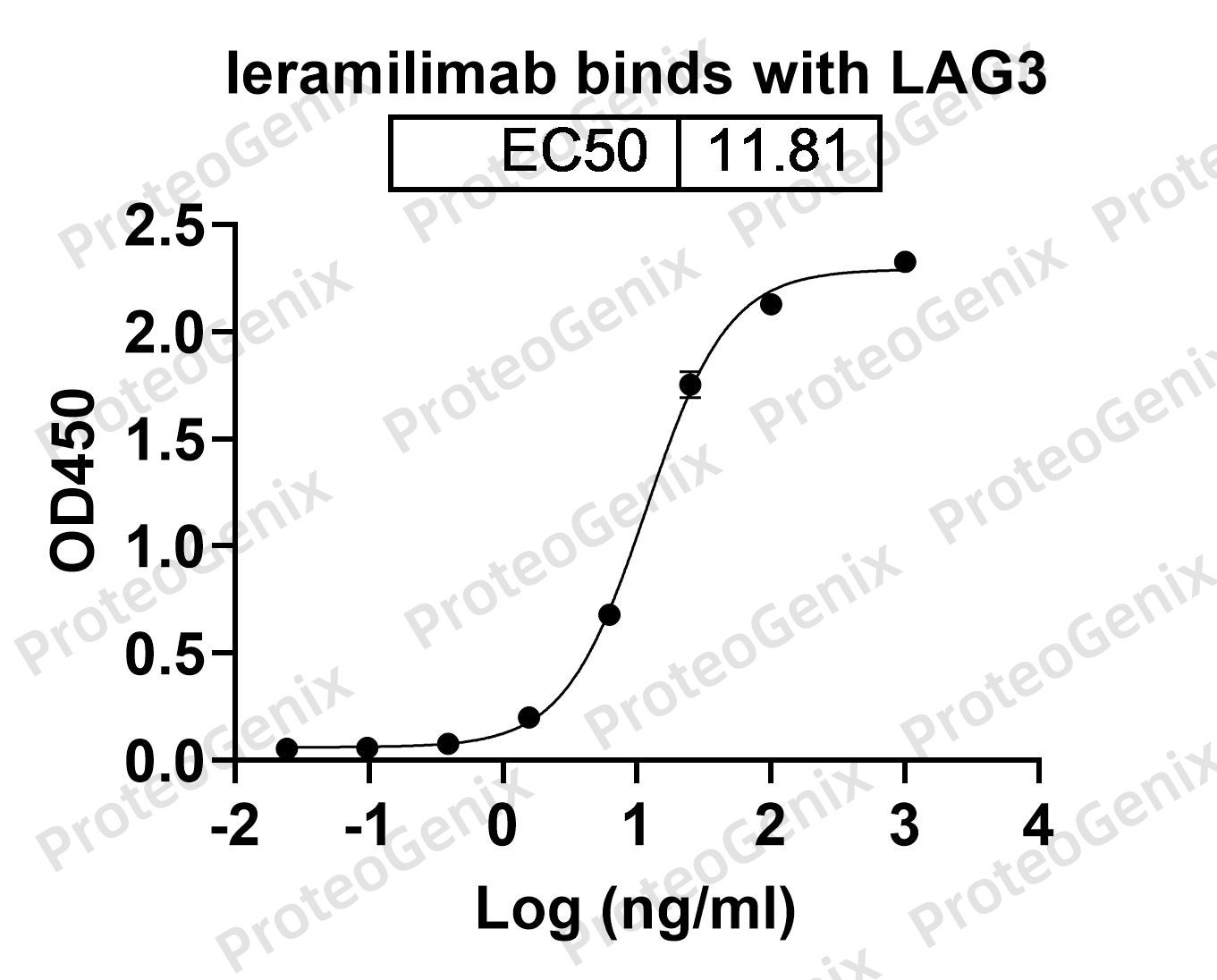
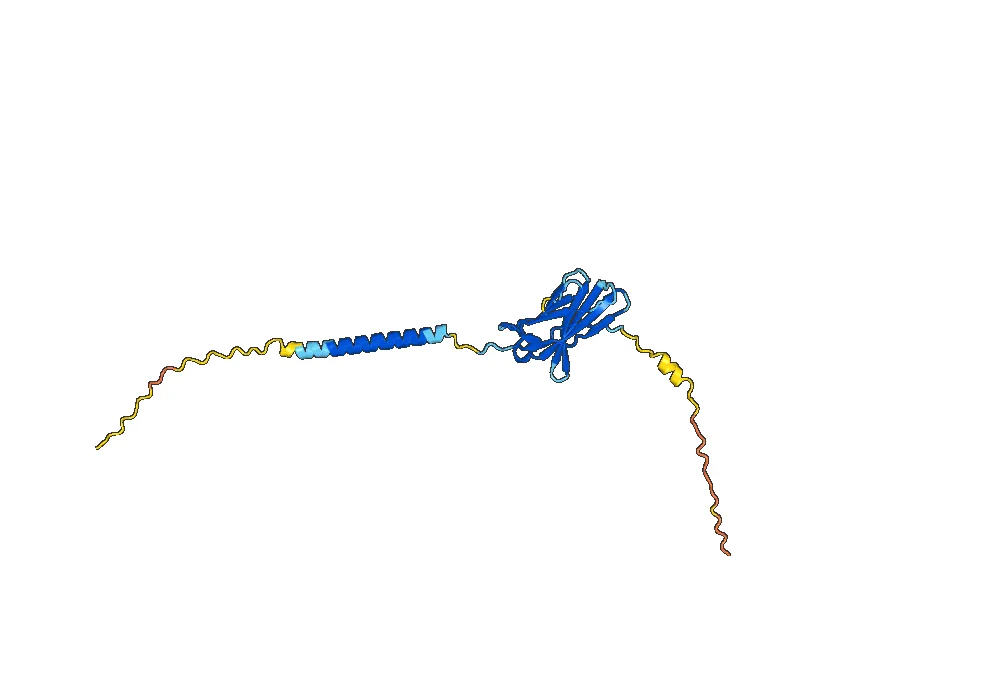
LAG3 is a cell surface protein that is primarily expressed on activated T cells and natural killer (NK) cells. It plays a crucial role in regulating immune responses by inhibiting the activation and proliferation of T cells. However, in certain diseases, such as cancer and autoimmune disorders, LAG3 expression is upregulated, leading to immune suppression and disease progression. Ieramilimab Biosimilar works by binding to LAG3 and blocking its inhibitory function, thereby promoting immune responses against cancer cells or reducing autoimmunity.
Potential Applications of Ieramilimab Biosimilar:
1.
Cancer Immunotherapy:
One of the most promising applications of Ieramilimab Biosimilar is in the field of cancer immunotherapy. By targeting LAG3, this antibody can enhance the anti-tumor immune response and potentially improve the efficacy of other cancer therapies. Pre-clinical studies have shown that Ieramilimab Biosimilar can inhibit tumor growth and improve survival rates in various cancer models, including melanoma, lung cancer, and breast cancer.
2.
Autoimmune Disorders:
Autoimmune disorders, such as rheumatoid arthritis and multiple sclerosis, are characterized by an overactive immune response against the body’s own tissues. LAG3 is known to play a role in the development and progression of these diseases. By blocking LAG3, Ieramilimab Biosimilar can potentially reduce the activity of autoreactive T cells and alleviate symptoms of autoimmune disorders.
3.
Infectious Diseases:
LAG3 has also been implicated in the immune response against certain infectious diseases, such as HIV and tuberculosis. Pre-clinical studies have shown that Ieramilimab Biosimilar can enhance the immune response against these pathogens and potentially improve the efficacy of current treatments.
4. Combination Therapy:
Due to its unique mechanism of action, Ieramilimab Biosimilar has the potential to be used in combination with other immunotherapies, such as checkpoint inhibitors and CAR T cell therapy. This combination approach can potentially enhance the anti-tumor immune response and improve treatment outcomes for cancer patients.
Conclusion:
In conclusion, Ieramilimab Biosimilar is a promising research grade monoclonal antibody that targets LAG3 and has shown potential in the treatment of various diseases, including cancer, autoimmune disorders, and infectious diseases. Its unique mechanism of action and potential for combination therapy make it an exciting candidate for further development in the field of immunotherapy. Further clinical studies are needed to fully explore the potential of Ieramilimab Biosimilar and its role in the treatment of these diseases.

There are no reviews yet.