Cadonilimab Biosimilar: A Promising Anti-PDCD1,CTLA4 mAb for Research
Cadonilimab Biosimilar, also known as anti-PDCD1,CTLA4 mAb, is a monoclonal antibody that has shown great potential as a therapeutic agent for various diseases. This biosimilar is a highly specific and potent antibody that targets two important immune checkpoint proteins, PDCD1 and CTLA4, which play a crucial role in regulating immune responses. In this article, we will explore the structure, activity, and potential applications of Cadonilimab Biosimilar in research.
Structure of Cadonilimab Biosimilar
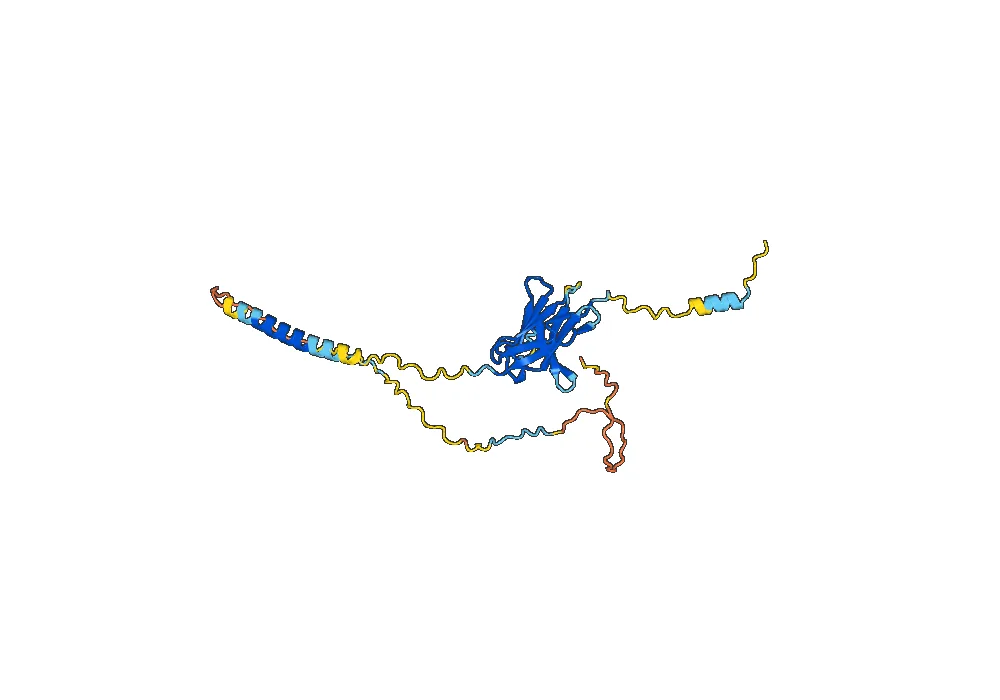
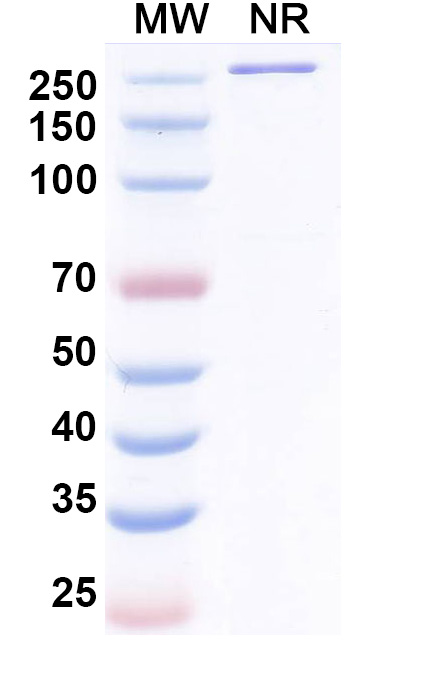
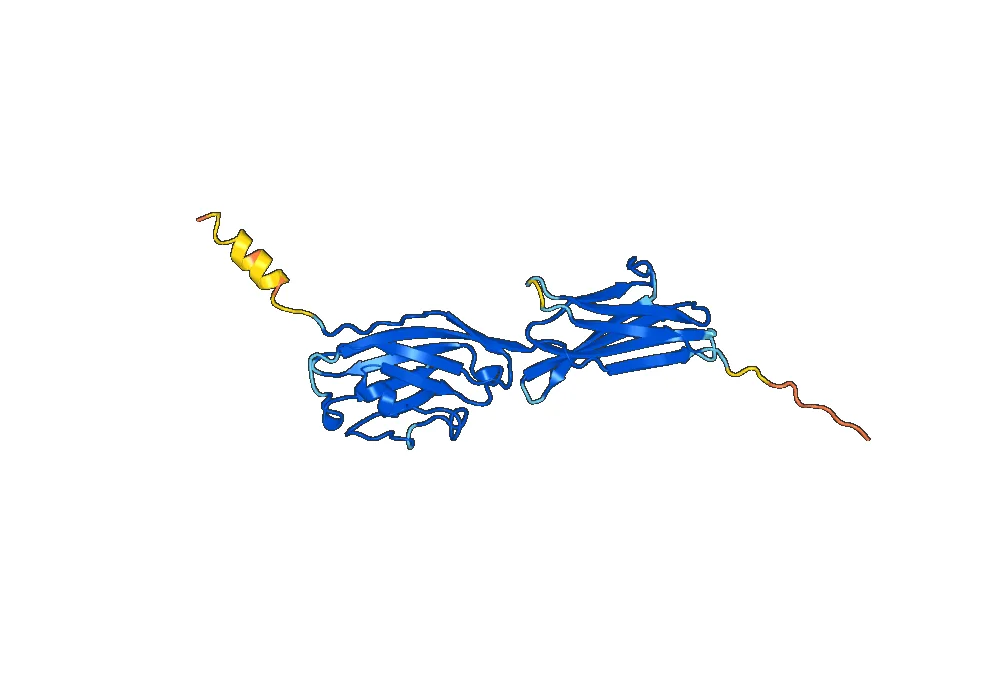
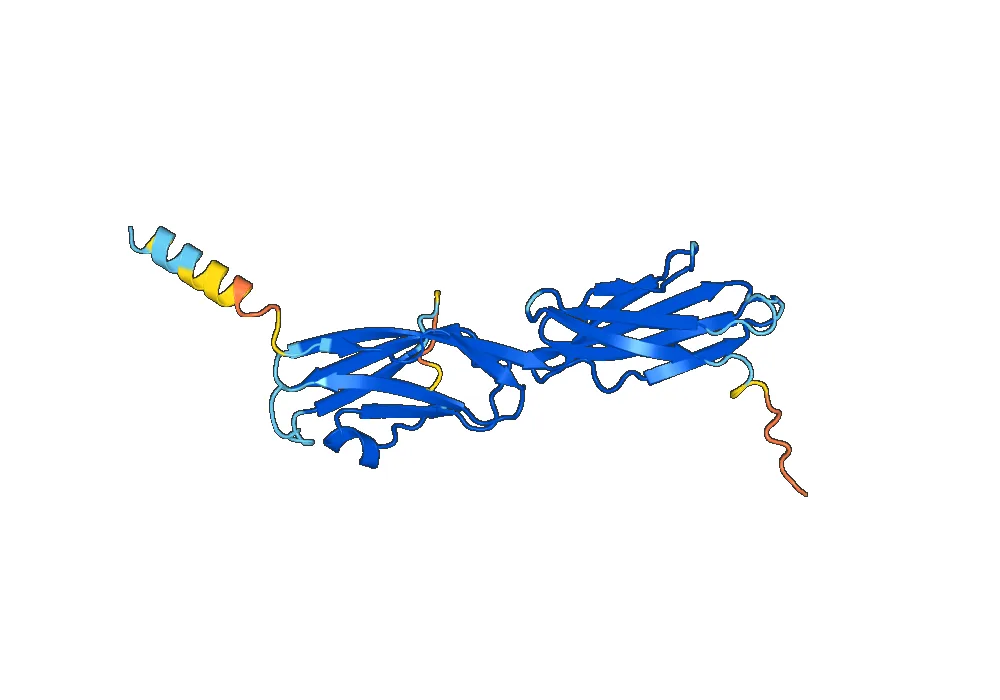
Cadonilimab Biosimilar is a recombinant humanized IgG1 monoclonal antibody that is produced through genetic engineering techniques. It is a biosimilar of the FDA-approved drug, pembrolizumab, and shares a similar amino acid sequence and structure. The antibody has a molecular weight of approximately 149 kDa and consists of two heavy chains and two light chains. The heavy chains are composed of four constant domains (CH1, CH2, CH3, and CH4) and one variable domain (VH), while the light chains contain one constant domain (CL) and one variable domain (VL).
The variable domains of Cadonilimab Biosimilar are responsible for its high specificity and binding affinity towards PDCD1 and CTLA4. These domains recognize and bind to specific epitopes on the surface of these immune checkpoint proteins, thereby blocking their function and promoting anti-tumor immune responses.
Activity of Cadonilimab Biosimilar
As mentioned earlier, Cadonilimab Biosimilar targets two important immune checkpoint proteins, PDCD1 and CTLA4. These proteins are expressed on the surface of T cells and play a critical role in regulating immune responses. PDCD1, also known as PD-1, is a receptor that is upregulated on activated T cells and inhibits their function upon binding to its ligands, PD-L1 and PD-L2. Similarly, CTLA4 is a receptor that is expressed on the surface of T cells and competes with the co-stimulatory receptor, CD28, for binding to its ligands, CD80 and CD86. This results in the suppression of T cell activation and proliferation.
Cadonilimab Biosimilar works by blocking the interaction between PDCD1 and its ligands, as well as the competition between CTLA4 and CD28. This leads to the activation and proliferation of T cells, which can then mount an effective immune response against tumor cells. Additionally, the antibody also promotes the production of pro-inflammatory cytokines and chemokines, further enhancing the anti-tumor immune response.
Potential Applications in Research
The potential applications of Cadonilimab Biosimilar in research are vast and diverse. The antibody has shown promising results in preclinical studies for various types of cancer, including melanoma, lung cancer, and bladder cancer. It has also been studied in combination with other cancer therapies, such as chemotherapy and radiation therapy, and has shown synergistic effects.
Furthermore, Cadonilimab Biosimilar has also been investigated in autoimmune diseases, such as rheumatoid arthritis and multiple sclerosis, where it has shown potential as an immunomodulatory agent. The antibody has also been studied in infectious diseases, such as HIV and hepatitis B, where it has shown the ability to enhance immune responses against the viruses.
In addition to its potential therapeutic applications, Cadonilimab Biosimilar can also be used as a research tool to study the role of PDCD1 and CTLA4 in various diseases and to investigate the mechanisms of action of immune checkpoint inhibitors.
Conclusion
Cadonilimab Biosimilar is a highly specific and potent monoclonal antibody that

There are no reviews yet.