Introduction
The Human MICA HEK293T Stable Cell Line is a valuable tool for studying the structure, activity, and application of the human MICA (Major Histocompatibility Complex Class I Chain-Related A) protein. This stable cell line is derived from the HEK293T human embryonic kidney cell line and has been genetically modified to express the MICA protein. The MICA protein is a ligand for the NKG2D receptor, which is expressed on natural killer (NK) cells, T cells, and some subsets of dendritic cells. This cell line can be used for a variety of applications, including flow cytometry and as a therapeutic target for diseases such as cancer.
Structure of MICA Protein
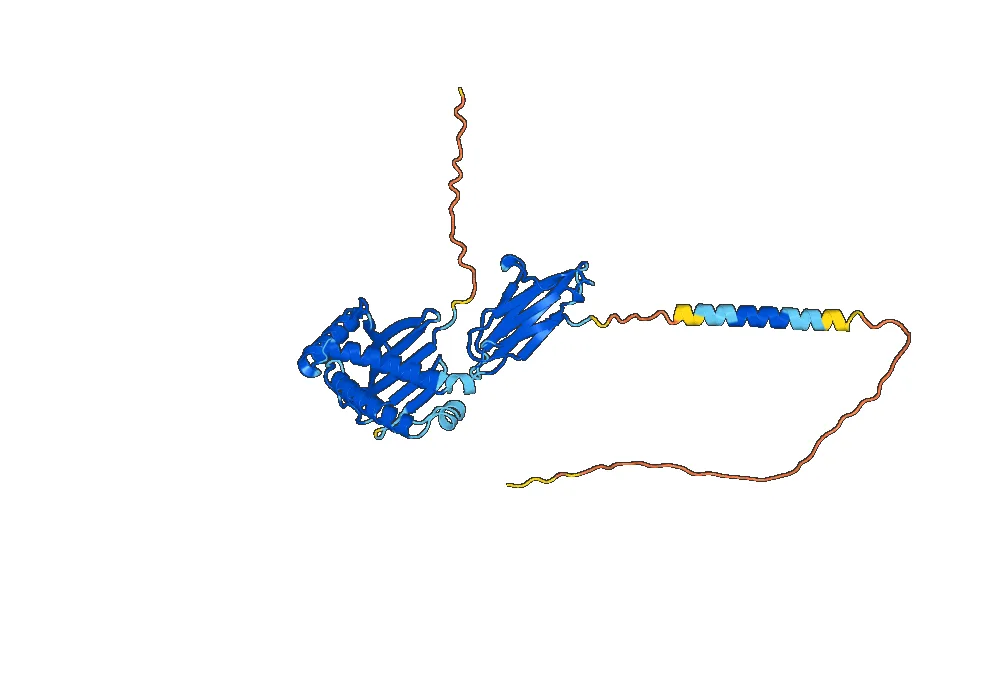
The MICA protein is a type I transmembrane glycoprotein that belongs to the MHC class I family. It is composed of a heavy chain and a light chain, which are linked together by a disulfide bond. The heavy chain consists of three domains: alpha-1, alpha-2, and alpha-3. The alpha-1 and alpha-2 domains are responsible for binding to the NKG2D receptor, while the alpha-3 domain is involved in interactions with other molecules. The light chain, also known as beta-2 microglobulin, is essential for the proper folding and stability of the MICA protein.
Activity of MICA Protein
The main function of the MICA protein is to activate the immune response by binding to the NKG2D receptor. This interaction triggers the activation of NK cells and T cells, leading to the elimination of infected or cancerous cells. Additionally, the MICA protein can also act as a chemoattractant for dendritic cells, which play a crucial role in initiating and regulating immune responses. Moreover, the MICA protein has been shown to have anti-viral and anti-tumor properties, making it an attractive target for therapeutic interventions.
Application in Flow Cytometry
The Human MICA HEK293T Stable Cell Line is an excellent tool for studying the MICA protein using flow cytometry. Flow cytometry is a technique that allows for the identification and analysis of individual cells based on their physical and chemical characteristics. In this case, the MICA protein can be labeled with a fluorescent dye and detected using a flow cytometer. This allows for the quantification of MICA expression on the surface of cells and the characterization of MICA-expressing cell populations.
Therapeutic Target for Cancer
The MICA protein has been identified as a potential therapeutic target for cancer. It is known to be overexpressed in various types of cancer, including breast, lung, and colon cancer. Moreover, high levels of MICA expression have been associated with a poor prognosis in cancer patients. Therefore, targeting the MICA protein could be a promising approach for cancer treatment. The Human MICA HEK293T Stable Cell Line can be used to study the mechanisms of MICA-mediated tumor growth and to test the efficacy of potential MICA-targeting therapies.
Conclusion
The Human MICA HEK293T Stable Cell Line is a valuable tool for studying the structure, activity, and application of the MICA protein. Its use in flow cytometry allows for the characterization and quantification of MICA-expressing cell populations. Furthermore, the MICA protein has been identified as a potential therapeutic target for cancer, making this cell line a valuable resource for cancer research. Overall, the Human MICA HEK293T Stable Cell Line is an essential tool for advancing our understanding of the role of the MICA protein in the immune response and its potential as a therapeutic target.


There are no reviews yet.