Introduction
The Human MSLN/Mesothelin HEK293T Stable Cell Line is a valuable tool for studying the structure, activity, and potential therapeutic applications of the mesothelin protein. This stable cell line is derived from human embryonic kidney (HEK293T) cells and is genetically modified to express the mesothelin protein. In this article, we will discuss the characteristics of this stable cell line and its potential uses in scientific research.
Structure of Human MSLN/Mesothelin HEK293T Stable Cell Line
The HEK293T cell line is a widely used and well-characterized cell line in scientific research. These cells are derived from human embryonic kidney cells and have been immortalized through the introduction of the SV40 large T antigen. The Human MSLN/Mesothelin HEK293T Stable Cell Line is created by transfecting these cells with a plasmid containing the full-length human mesothelin gene. This results in the stable expression of the mesothelin protein on the surface of the HEK293T cells.
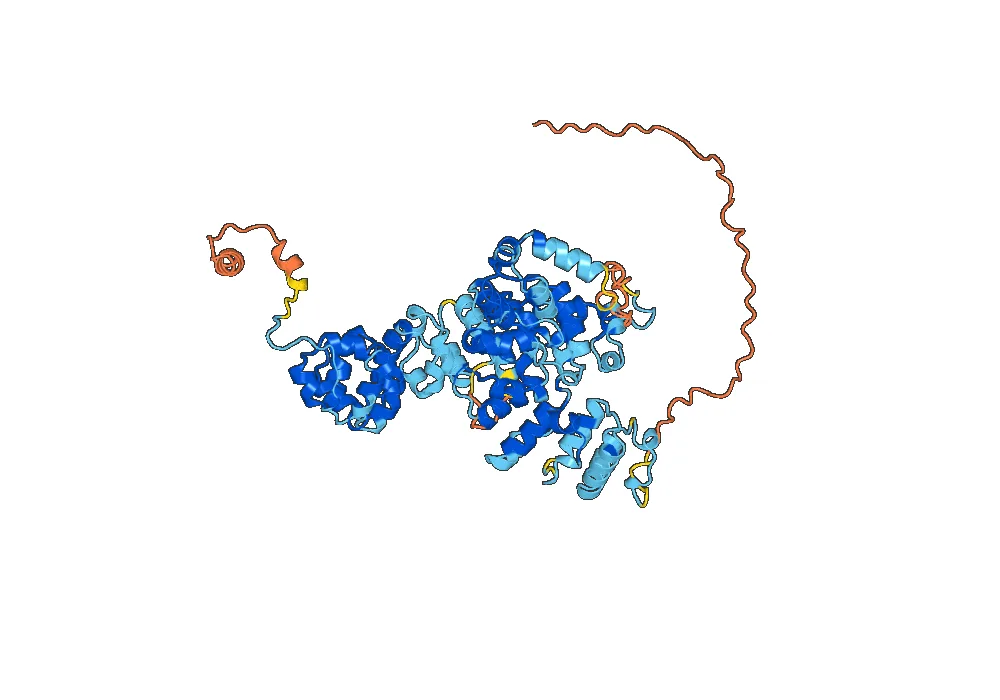
The mesothelin protein is a glycosylphosphatidylinositol (GPI)-anchored cell surface protein that is expressed at low levels in normal tissues, but is highly expressed in various types of cancer, including mesothelioma, ovarian cancer, and pancreatic cancer. The protein consists of 622 amino acids and has a molecular weight of approximately 69 kDa. It is composed of a 31 amino acid signal peptide, a 582 amino acid extracellular domain, a 21 amino acid transmembrane domain, and a 12 amino acid cytoplasmic tail.
Activity of Human MSLN/Mesothelin HEK293T Stable Cell Line
The stable expression of the mesothelin protein on the surface of the HEK293T cells allows for the study of its activity and function. Mesothelin is known to interact with other proteins, such as CA125 and MUC16, and has been implicated in cell adhesion, migration, and invasion. In addition, mesothelin has been shown to bind to the cancer drug, mesothelin-targeted immunotoxin (SS1P), making it a potential therapeutic target for cancer treatment.
Application of Human MSLN/Mesothelin HEK293T Stable Cell Line
The Human MSLN/Mesothelin HEK293T Stable Cell Line has a wide range of potential applications in scientific research. One major application is the use of this cell line in flow cytometry experiments. Flow cytometry is a powerful technique that allows for the analysis of individual cells based on their physical and chemical properties. The stable expression of mesothelin on the surface of these cells makes them ideal for studying the interaction of mesothelin with other proteins and for screening potential mesothelin-targeted therapies.
In addition, this stable cell line can be used to study the role of mesothelin in cancer progression and metastasis. By manipulating the expression of mesothelin in these cells, researchers can investigate the effects of this protein on cell adhesion, migration, and invasion. This information can provide valuable insights into the mechanisms of cancer progression and identify potential therapeutic targets.
Furthermore, the Human MSLN/Mesothelin HEK293T Stable Cell Line can be used as a model system to study the efficacy and safety of mesothelin-targeted therapies. By expressing mesothelin on the surface of these cells, researchers can test the effectiveness of different mesothelin-targeted drugs and identify potential side effects.
Conclusion
In summary, the Human MSLN/Mesothelin HEK293T Stable Cell Line is a valuable tool for studying the structure, activity, and potential therapeutic applications of the mesothelin protein. Its stable expression of mesothelin on the surface of HEK293T cells makes it an ideal cell line for flow cytometry experiments and for investigating the role of mesothelin in cancer progression.

There are no reviews yet.