Gefurulimab Biosimilar: A Promising Anti-C5,ALB mAb for Targeted Therapy Introduction
Gefurulimab Biosimilar is a novel monoclonal antibody (mAb) that targets the complement component 5 (C5) and albumin (ALB) in the human body. This biosimilar is being developed as a potential therapeutic option for various diseases and has shown promising results in pre-clinical studies. In this article, we will discuss the structure, activity, and potential applications of Gefurulimab Biosimilar in targeted therapy.
Structure of Gefurulimab Biosimilar
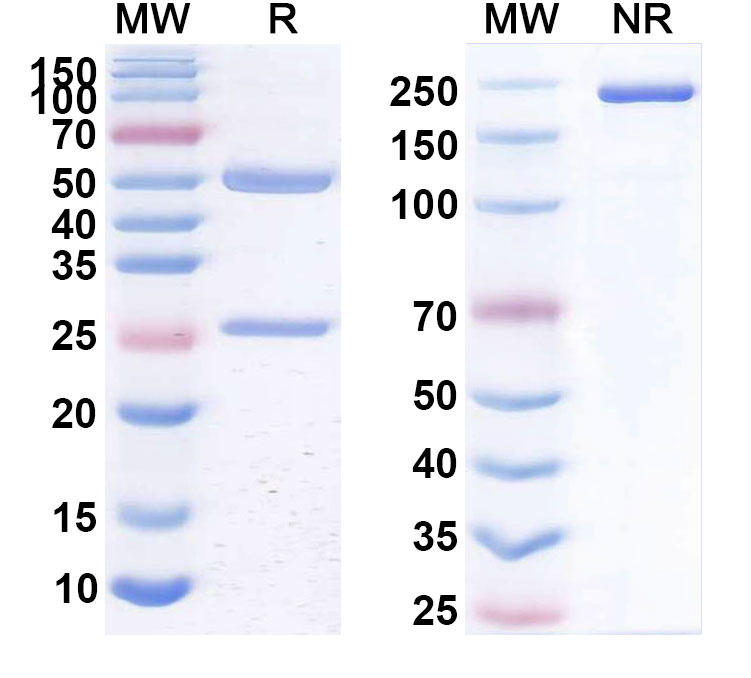
Gefurulimab Biosimilar is a fully humanized IgG1 monoclonal antibody, which means that it is derived from human cells and has a structure similar to the antibodies naturally produced in the human body. It is composed of two heavy chains and two light chains, each containing variable and constant regions. The variable regions of the antibody are responsible for binding to the target molecules, C5 and ALB, while the constant regions provide stability and effector functions.
Activity of Gefurulimab Biosimilar
Gefurulimab Biosimilar exerts its activity by specifically binding to C5 and ALB in the human body. C5 is a crucial component of the complement system, which plays a significant role in the immune response. By binding to C5, Gefurulimab Biosimilar inhibits its activity and prevents the formation of the membrane attack complex, which is responsible for cell lysis and tissue damage. This mechanism of action makes Gefurulimab Biosimilar a potential therapeutic option for diseases caused by excessive activation of the complement system, such as autoimmune disorders and inflammatory diseases.
In addition to targeting C5, Gefurulimab Biosimilar also binds to ALB, a protein found in the blood that is involved in various physiological processes, including transport of nutrients and drugs, maintenance of osmotic pressure, and regulation of immune responses. By targeting ALB, Gefurulimab Biosimilar may modulate its functions and potentially enhance its therapeutic effects.
Potential Applications of Gefurulimab Biosimilar
Gefurulimab Biosimilar has shown promising results in pre-clinical studies for various diseases, including autoimmune disorders, inflammatory diseases, and cancer. In autoimmune disorders, such as rheumatoid arthritis and lupus, the overactivation of the complement system has been implicated in the pathogenesis of the disease. By inhibiting C5, Gefurulimab Biosimilar may help control the inflammatory response and provide relief to patients.
In inflammatory diseases, such as acute respiratory distress syndrome and sepsis, the excessive activation of the complement system can lead to tissue damage and organ failure. By targeting C5 and ALB, Gefurulimab Biosimilar may prevent this damage and improve patient outcomes.
In cancer, Gefurulimab Biosimilar has shown potential as an immunotherapeutic agent. By targeting C5 and ALB, it may enhance the immune response against cancer cells and inhibit tumor growth.
Conclusion
Gefurulimab Biosimilar is a promising monoclonal antibody that targets C5 and ALB in the human body. Its unique mechanism of action makes it a potential therapeutic option for various diseases, including autoimmune disorders, inflammatory diseases, and cancer. Further clinical studies are needed to evaluate its safety and efficacy in humans, but early pre-clinical data suggests that Gefurulimab Biosimilar may have a significant impact on targeted therapy for a range of diseases.

There are no reviews yet.