Introduction to Garetosmab Biosimilar – Anti-INHBA mAb
Garetosmab Biosimilar – Anti-INHBA mAb is a research grade antibody that specifically targets the protein INHBA. This antibody has been developed as a biosimilar to the existing therapeutic antibody, garetosmab, and has shown promising results in pre-clinical studies. In this article, we will discuss the structure, activity, and potential applications of Garetosmab Biosimilar – Anti-INHBA mAb.
Structure of Garetosmab Biosimilar – Anti-INHBA mAb
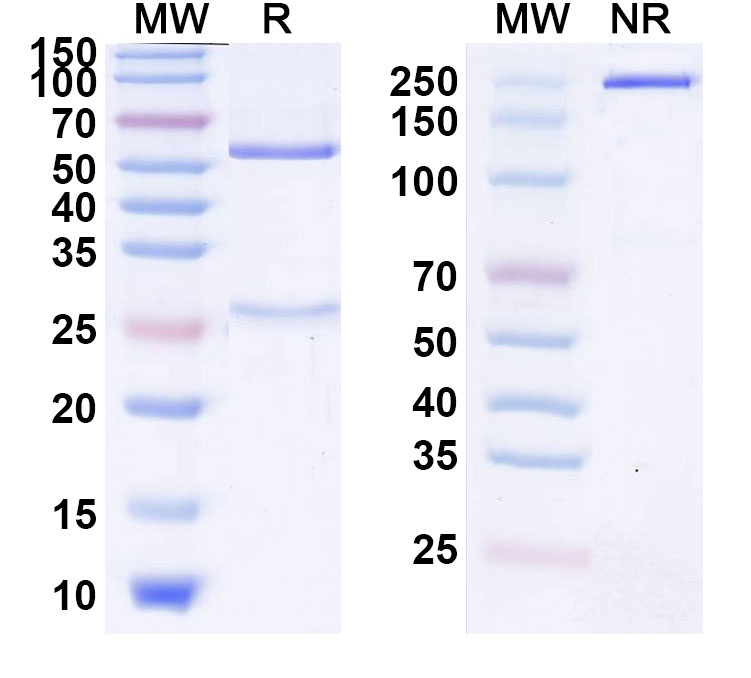
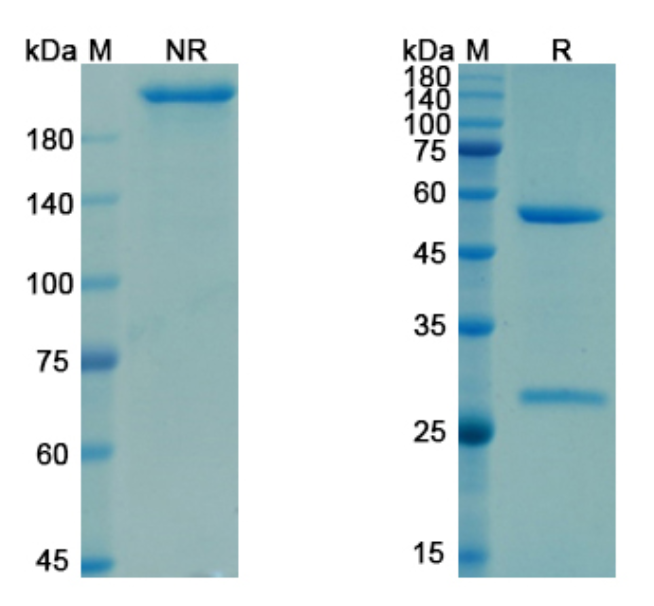
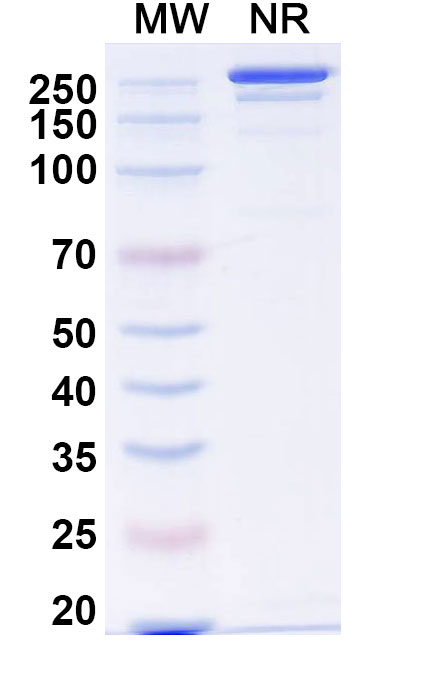
Garetosmab Biosimilar – Anti-INHBA mAb is a monoclonal antibody, meaning it is produced by a single clone of cells. This antibody is composed of two heavy chains and two light chains, which are connected by disulfide bonds. The heavy chains consist of constant and variable regions, while the light chains only have variable regions. The variable regions are responsible for binding to the target protein, INHBA.
Activity of Garetosmab Biosimilar – Anti-INHBA mAb
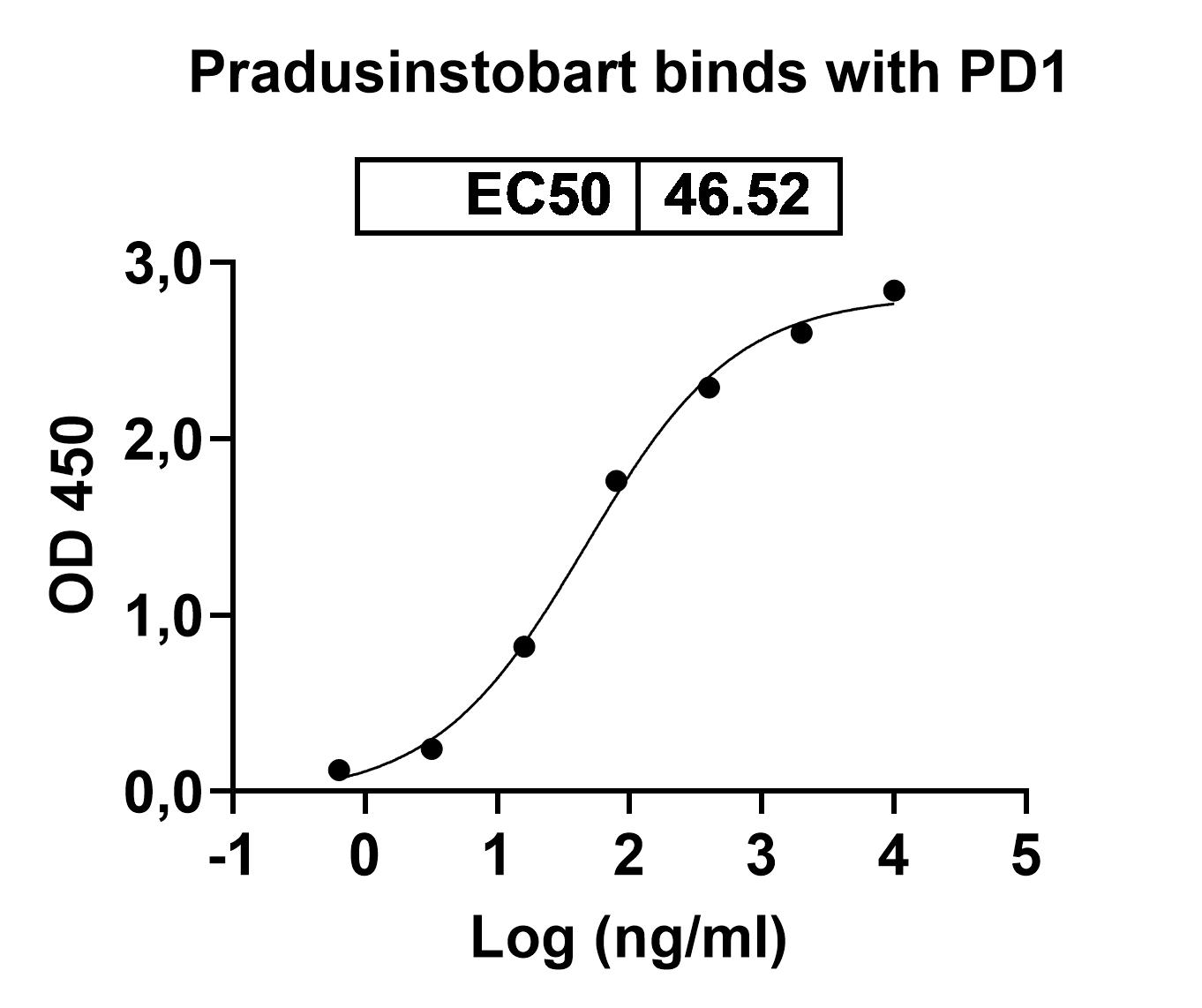
The primary activity of Garetosmab Biosimilar – Anti-INHBA mAb is to bind to the protein INHBA. INHBA is a member of the transforming growth factor beta (TGF-β) superfamily and is involved in various cellular processes such as cell proliferation, differentiation, and apoptosis. Overexpression of INHBA has been linked to various diseases, including cancer and fibrosis. By binding to INHBA, Garetosmab Biosimilar – Anti-INHBA mAb can block its activity and potentially inhibit the progression of these diseases.
In addition to its primary activity, Garetosmab Biosimilar – Anti-INHBA mAb also has secondary activities that contribute to its therapeutic potential. This includes the ability to induce antibody-dependent cellular cytotoxicity (ADCC) and complement-dependent cytotoxicity (CDC). These activities can help to eliminate cells that overexpress INHBA, further aiding in the treatment of diseases associated with this protein.
Applications of Garetosmab Biosimilar – Anti-INHBA mAb
Garetosmab Biosimilar – Anti-INHBA mAb has potential applications in various diseases, including cancer, fibrosis, and autoimmune diseases. In pre-clinical studies, this antibody has shown promising results in inhibiting the growth and progression of cancer cells that overexpress INHBA. It has also shown potential in reducing fibrosis in animal models, suggesting its potential use in diseases such as pulmonary fibrosis and liver fibrosis.
Furthermore, Garetosmab Biosimilar – Anti-INHBA mAb has the potential to be used in combination with other therapies, such as chemotherapy and immunotherapy. By targeting INHBA, this antibody can potentially enhance the efficacy of these treatments and reduce the risk of treatment resistance.
Conclusion
In conclusion, Garetosmab Biosimilar – Anti-INHBA mAb is a research grade antibody that specifically targets the protein INHBA. Its structure consists of two heavy chains and two light chains, and its primary activity is to bind to INHBA and inhibit its function. This antibody has potential applications in various diseases, including cancer, fibrosis, and autoimmune diseases. Further research and clinical trials are needed to fully understand the therapeutic potential of Garetosmab Biosimilar – Anti-INHBA mAb, but it holds promise as a potential treatment option for diseases associated with overexpression of INHBA.


There are no reviews yet.