Introduction
Fepixnebart Biosimilar, also known as Anti-TGFalpha mAb, is a research grade monoclonal antibody that has been developed as a potential therapeutic agent for various diseases. This biosimilar is a promising candidate for the treatment of conditions such as cancer, fibrosis, and inflammatory diseases. In this article, we will discuss the structure, activity, and potential applications of Fepixnebart Biosimilar in detail.
Structure of Fepixnebart Biosimilar
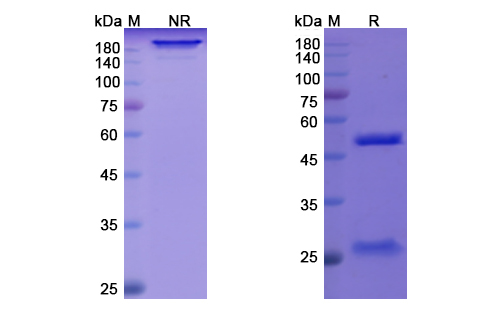
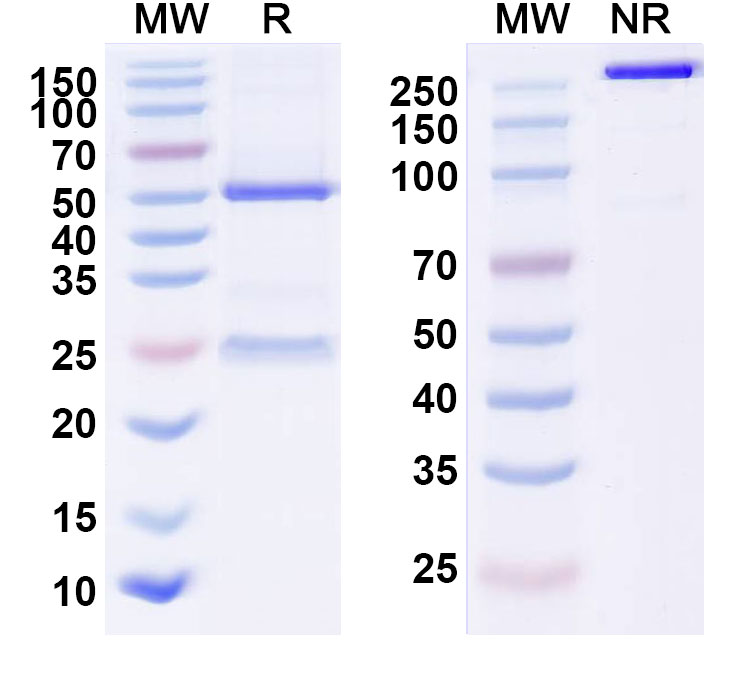
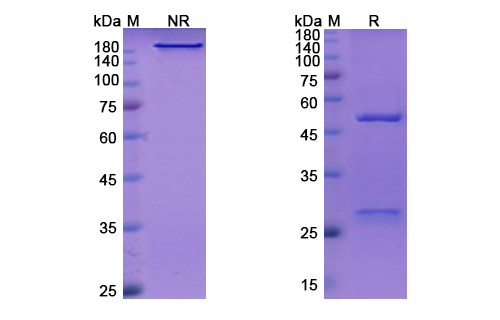
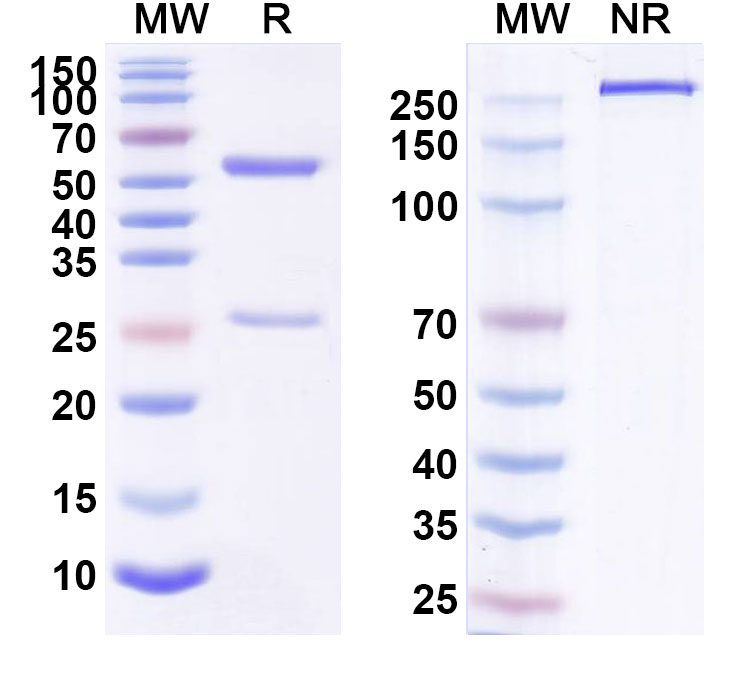
Fepixnebart Biosimilar is a monoclonal antibody that specifically targets the transforming growth factor alpha (TGFα) protein. It is a recombinant protein that is produced using advanced biotechnology techniques. The antibody has a molecular weight of approximately 150 kDa and consists of two heavy chains and two light chains. The heavy chains are linked to each other by disulfide bonds, while the light chains are connected to the heavy chains by disulfide bonds as well. The antibody has a Y-shaped structure with two antigen-binding sites.
Activity of Fepixnebart Biosimilar
Fepixnebart Biosimilar is designed to inhibit the activity of TGFα, a cytokine that plays a crucial role in cell proliferation, differentiation, and survival. TGFα is known to be overexpressed in various types of cancer, leading to uncontrolled cell growth and tumor progression. By targeting TGFα, Fepixnebart Biosimilar can potentially inhibit tumor growth and metastasis. Additionally, TGFα is also involved in the development of fibrosis and inflammatory diseases. Fepixnebart Biosimilar has shown promising results in preclinical studies by reducing fibrosis and inflammation in various animal models.
Applications of Fepixnebart Biosimilar
1.
Cancer therapy
One of the most promising applications of Fepixnebart Biosimilar is in the treatment of cancer. TGFα is known to be overexpressed in many types of cancer, including breast, lung, and colon cancer. By specifically targeting TGFα, Fepixnebart Biosimilar can potentially inhibit tumor growth and metastasis. In preclinical studies, Fepixnebart Biosimilar has shown promising results in reducing tumor growth and improving survival rates in animal models.
2. Fibrosis treatment Fibrosis is a condition characterized by the excessive accumulation of scar tissue in organs, leading to their dysfunction. TGFα is known to be a key mediator in the development of fibrosis. By inhibiting TGFα, Fepixnebart Biosimilar can potentially reduce the progression of fibrosis and improve organ function. In preclinical studies, Fepixnebart Biosimilar has shown promising results in reducing fibrosis in animal models of liver, lung, and kidney fibrosis.
3. Inflammatory disease therapy TGFα is also involved in the development of various inflammatory diseases, such as rheumatoid arthritis and inflammatory bowel disease. By targeting TGFα, Fepixnebart Biosimilar can potentially reduce inflammation and improve disease symptoms. In preclinical studies, Fepixnebart Biosimilar has shown promising results in reducing inflammation in animal models of these diseases.
Conclusion
In conclusion, Fepixnebart Biosimilar is a research grade monoclonal antibody that specifically targets TGFα. This biosimilar has a Y-shaped structure and is produced using advanced biotechnology techniques. By inhibiting the activity of TGFα, Fepixnebart Biosimilar has shown promising results in preclinical studies as a potential therapy for cancer, fibrosis, and inflammatory diseases. Further clinical trials are needed to determine the safety and efficacy of this biosimilar in human patients.

There are no reviews yet.