Introduction
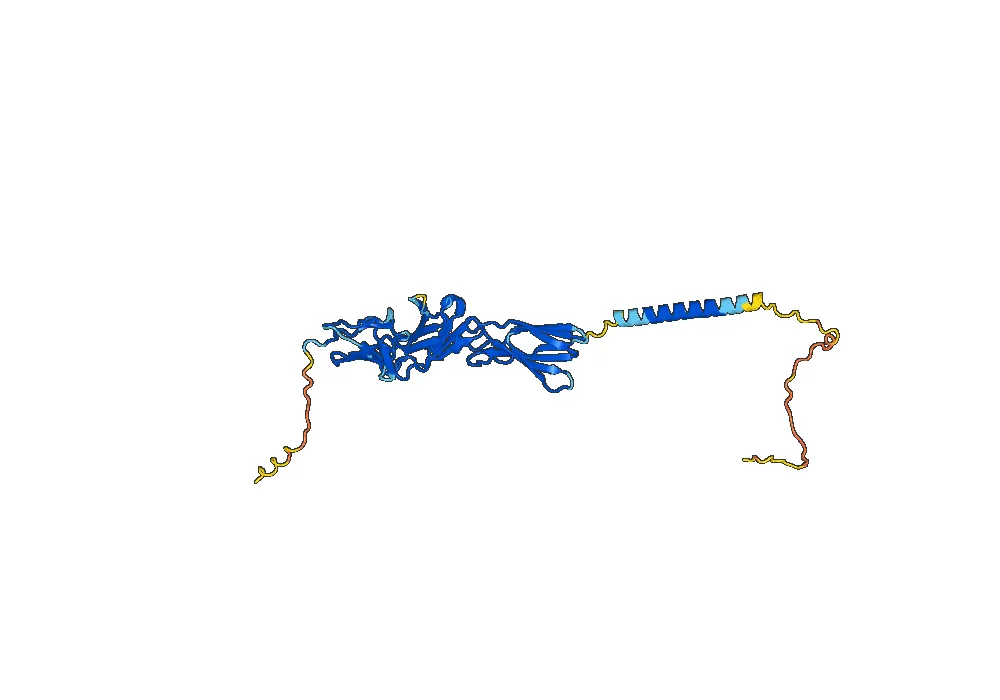
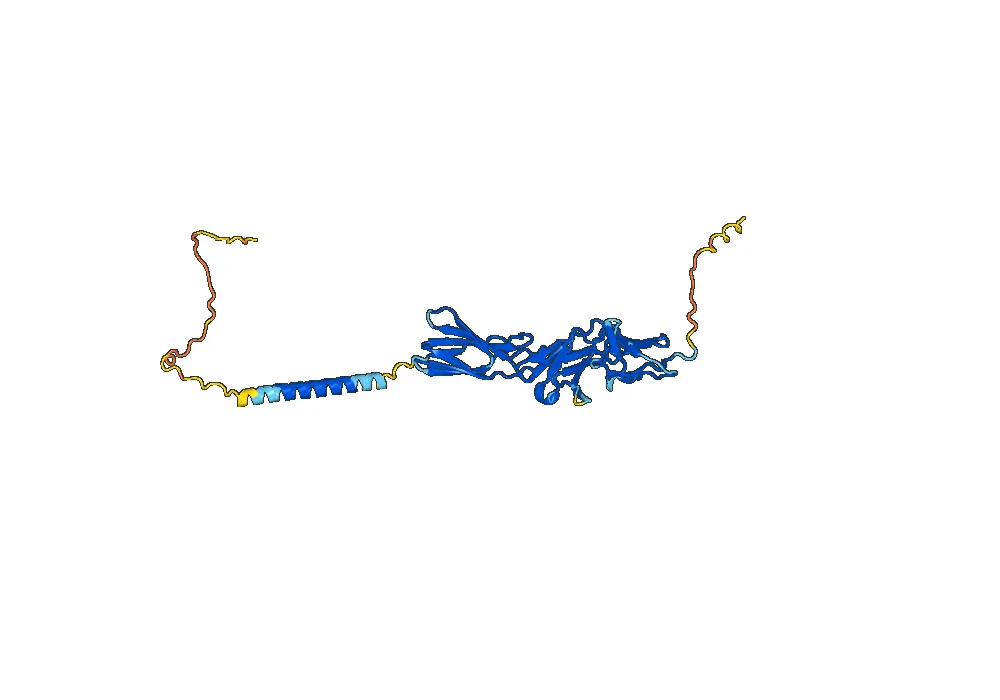
Flotetuzumab Biosimilar is a novel antibody that targets three key proteins – CD3E, IL3RA, and CD123. This unique antibody has shown promising results in pre-clinical studies and has the potential to be a game-changer in the field of cancer treatment. In this article, we will delve deeper into the structure, activity, and potential applications of Flotetuzumab Biosimilar as a research-grade antibody.
Structure of Flotetuzumab Biosimilar
Flotetuzumab Biosimilar is a monoclonal antibody (mAb) that is produced using recombinant DNA technology. It is a biosimilar version of the original Flotetuzumab, which was developed by MacroGenics, Inc. The antibody has a molecular weight of approximately 150 kDa and is composed of two heavy chains and two light chains. The heavy chains are made up of four constant domains (CH1, CH2, CH3, and CH4) and one variable domain (VH), while the light chains consist of one constant domain (CL) and one variable domain (VL). The variable domains are responsible for binding to the target proteins, while the constant domains provide stability and effector functions.
Activity of Flotetuzumab Biosimilar
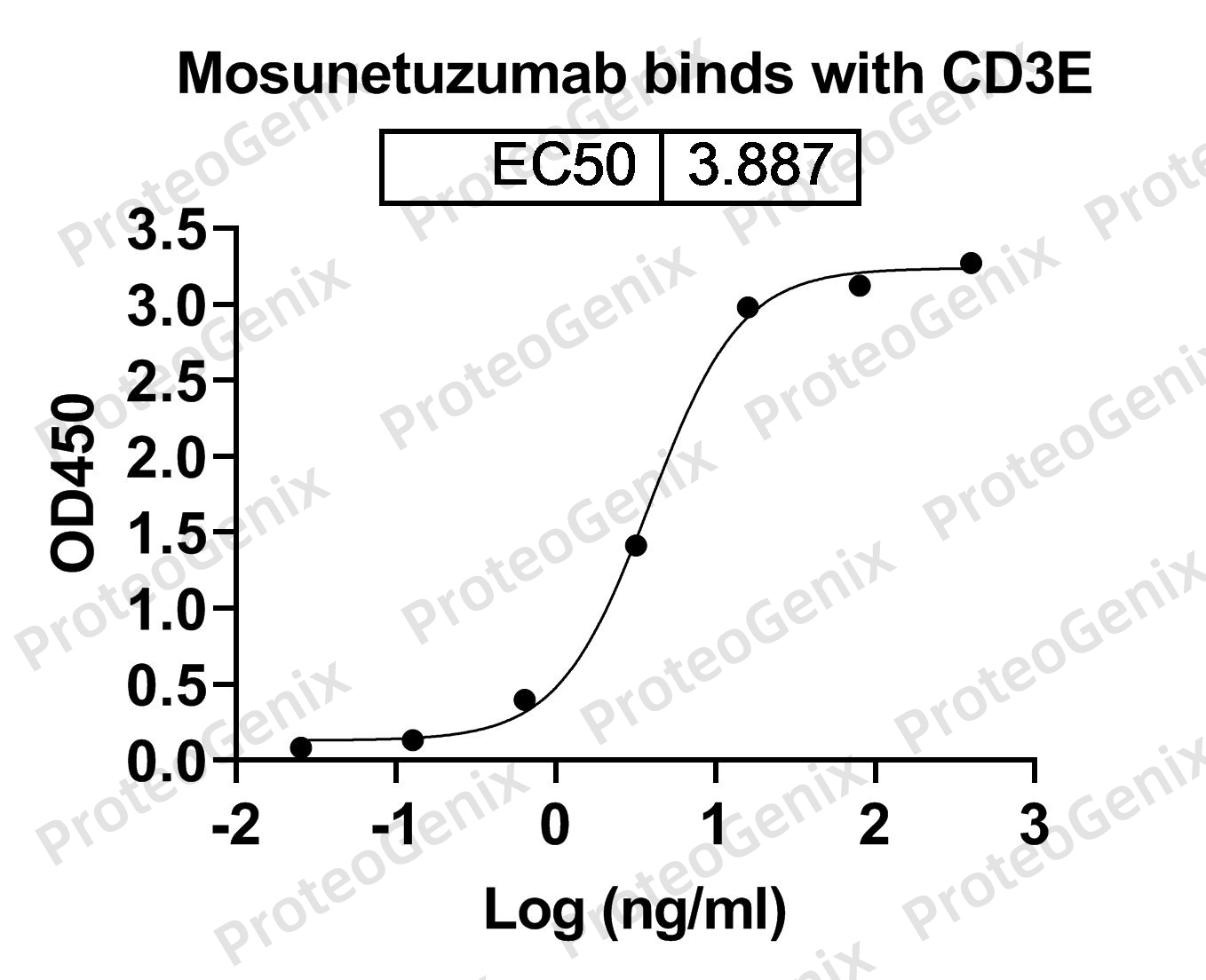
Flotetuzumab Biosimilar targets three proteins – CD3E, IL3RA, and CD123 – which are all involved in promoting the growth and survival of cancer cells. By binding to these proteins, Flotetuzumab Biosimilar blocks their signaling pathways, leading to the inhibition of cancer cell growth and induction of cell death. This makes Flotetuzumab Biosimilar a potent anti- cancer agent with the potential to treat a wide range of cancers, including acute myeloid leukemia (AML), acute lymphoblastic leukemia (ALL), and myelodysplastic syndromes (MDS).
The antibody also has the ability to activate the immune system by recruiting and activating natural killer (NK) cells, which can directly kill cancer cells. This dual mechanism of action makes Flotetuzumab Biosimilar a promising therapeutic option for cancer treatment.
Potential Applications of Flotetuzumab Biosimilar
Flotetuzumab Biosimilar is currently being studied in pre-clinical and clinical trials for the treatment of various types of cancer. In a phase I clinical trial, Flotetuzumab Biosimilar showed promising results in patients with relapsed or refractory AML, with an overall response rate of 60%. The antibody is also being evaluated in combination with other therapies, such as chemotherapy and checkpoint inhibitors, to enhance its anti- cancer effects.
Apart from its potential as a therapeutic agent, Flotetuzumab Biosimilar also has applications in research. Its ability to specifically target CD3E, IL3RA, and CD123 makes it a valuable tool for studying the role of these proteins in cancer development and progression. The biosimilar version of Flotetuzumab also provides a more cost-effective option for researchers compared to the original version.
Conclusion
In summary, Flotetuzumab Biosimilar is a novel antibody that targets CD3E, IL3RA, and CD123, and has shown promising results in pre-clinical and clinical studies. Its unique structure and dual mechanism of action make it a potent anti- cancer agent with the potential to treat a wide range of cancers. In addition, Flotetuzumab Biosimilar has applications in research and provides a more cost-effective option for studying the role of its target proteins in cancer. Further studies and clinical trials are needed to fully understand the potential of this antibody in cancer treatment.



Vele — April 6, 2022
★★★★★
Great product!