Introduction to Ficerafusp Biosimilar
Ficerafusp Biosimilar is a novel therapeutic protein that has been developed as a potential treatment for various types of cancers. It is an anti-HER1 fusion protein that has shown promising results in preclinical studies and is currently being evaluated in clinical trials. In this article, we will discuss the structure, activity, and potential applications of Ficerafusp Biosimilar.
Structure of Ficerafusp Biosimilar
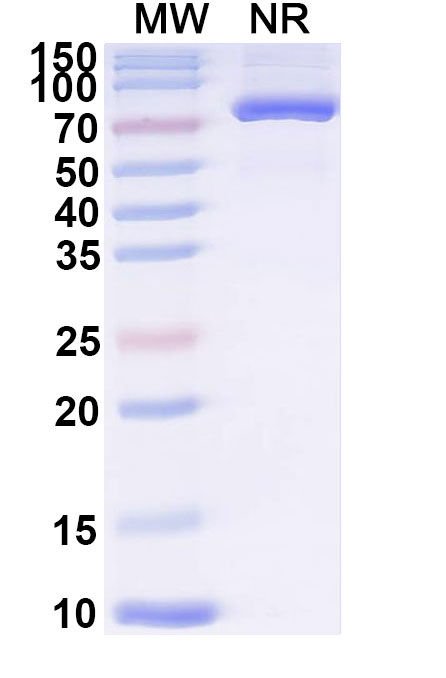
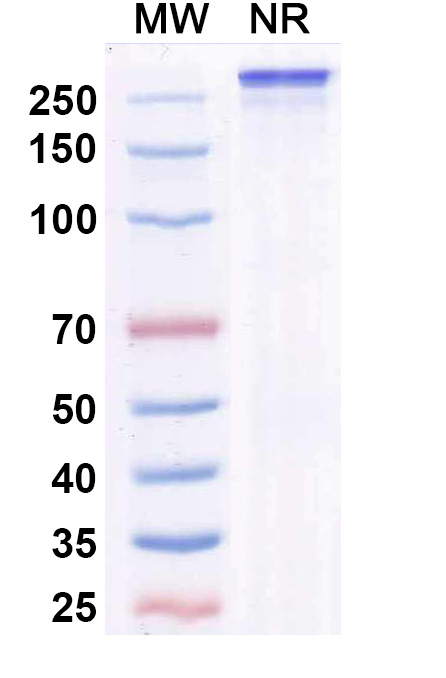
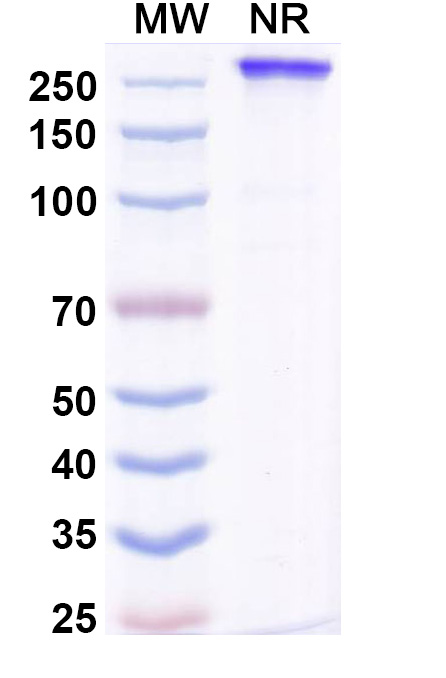
Ficerafusp Biosimilar is a fusion protein that consists of two components: an anti-HER1 antibody and a cytotoxic protein. The anti-HER1 antibody is a monoclonal antibody that specifically targets the HER1 receptor, also known as the epidermal growth factor receptor (EGFR). This receptor is overexpressed in many types of cancers and plays a crucial role in cancer cell growth and survival.
The cytotoxic protein component of Ficerafusp Biosimilar is a modified form of the bacterial toxin, Pseudomonas exotoxin A. This toxin has been engineered to specifically target and kill cancer cells that express the HER1 receptor. The combination of the anti-HER1 antibody and the cytotoxic protein makes Ficerafusp Biosimilar a potent and targeted therapy for cancer treatment.
Activity of Ficerafusp Biosimilar
The activity of Ficerafusp Biosimilar can be attributed to the dual mechanism of action of its two components. The anti-HER1 antibody component binds to the HER1 receptor on cancer cells, blocking its signaling pathways and inhibiting cancer cell growth. At the same time, the cytotoxic protein component enters the cancer cells and disrupts their protein synthesis, leading to cell death.
Ficerafusp Biosimilar has also been shown to have a bystander effect, where the cytotoxic protein can spread to neighboring cancer cells and kill them, even if they do not express the HER1 receptor. This makes Ficerafusp Biosimilar an effective treatment for heterogeneous tumors, where not all cancer cells express the same target.
Applications of Ficerafusp Biosimilar
Ficerafusp Biosimilar is being developed as a potential treatment for various types of cancers, including non-small cell lung cancer, head and neck cancer, and colorectal cancer. It has shown promising results in preclinical studies, demonstrating potent anti-tumor activity and minimal side effects.
Currently, Ficerafusp Biosimilar is being evaluated in clinical trials to determine its safety and efficacy in cancer patients. The results of these trials will determine the potential applications of Ficerafusp Biosimilar in the future. If successful, it could become a valuable treatment option for patients with HER1-positive cancers.
Conclusion
Ficerafusp Biosimilar is a novel therapeutic protein that combines the targeting ability of an anti-HER1 antibody with the cytotoxic activity of a modified bacterial toxin. It has shown promising results in preclinical studies and is currently being evaluated in clinical trials. If successful, Ficerafusp Biosimilar could become a valuable treatment option for various types of cancers, providing a targeted and effective therapy for patients with HER1-positive tumors.
Keywords: Ficerafusp Biosimilar, Anti-HER1 fusion protein, therapeutic protein, therapeutic target, cancer treatment, monoclonal antibody, cytotoxic protein, HER1 receptor, Pseudomonas exotoxin A, clinical trials.



There are no reviews yet.