Fanolesomab Biosimilar: A Promising Antibody Targeting FUT-4 for Therapeutic Applications Introduction
Fanolesomab biosimilar is a novel antibody that specifically targets FUT-4, a glycosyltransferase enzyme involved in the synthesis of Lewis Y (LeY) antigen. This biosimilar has been developed as a research grade antibody with potential therapeutic applications. In this article, we will discuss the structure, activity, and potential applications of Fanolesomab biosimilar in detail.
Structure of Fanolesomab Biosimilar:
Fanolesomab biosimilar is a monoclonal antibody that is produced by recombinant DNA technology. It is a chimeric antibody, composed of both human and murine components. The variable region of the antibody is derived from a murine monoclonal antibody, while the constant region is of human origin. This structure allows for high specificity and affinity towards the FUT-4 antigen, while also minimizing potential immunogenicity in human patients.
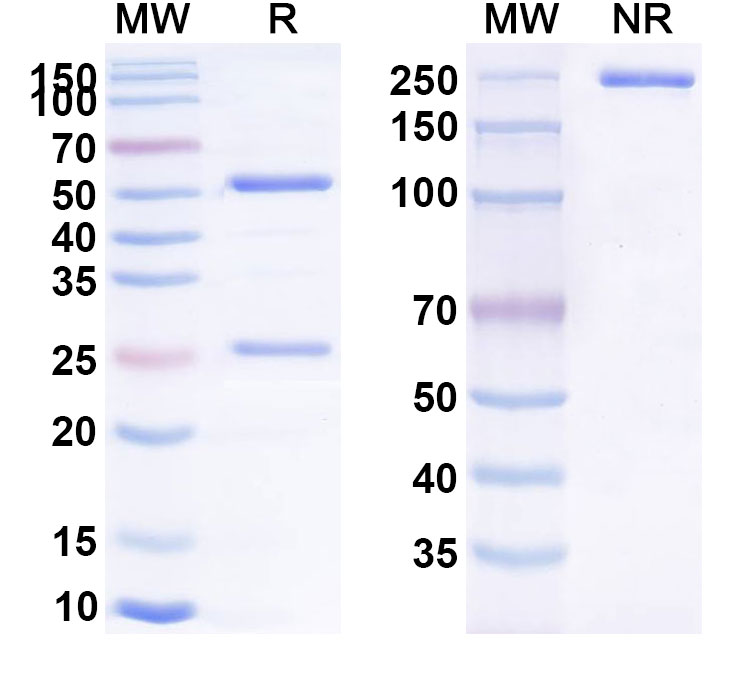
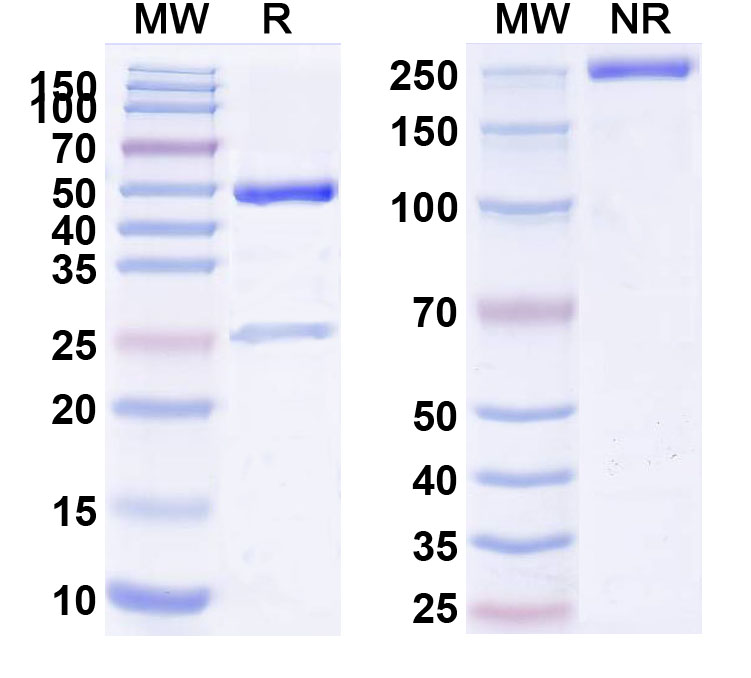
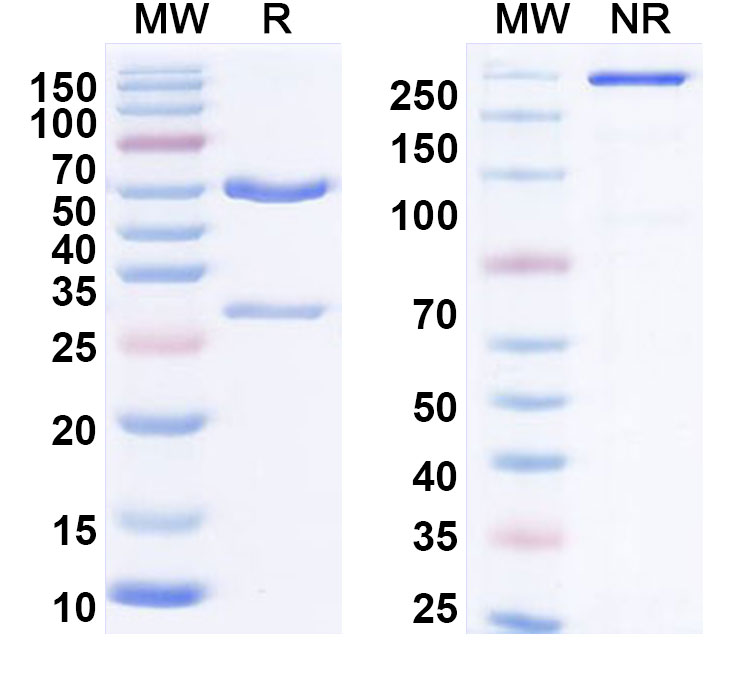
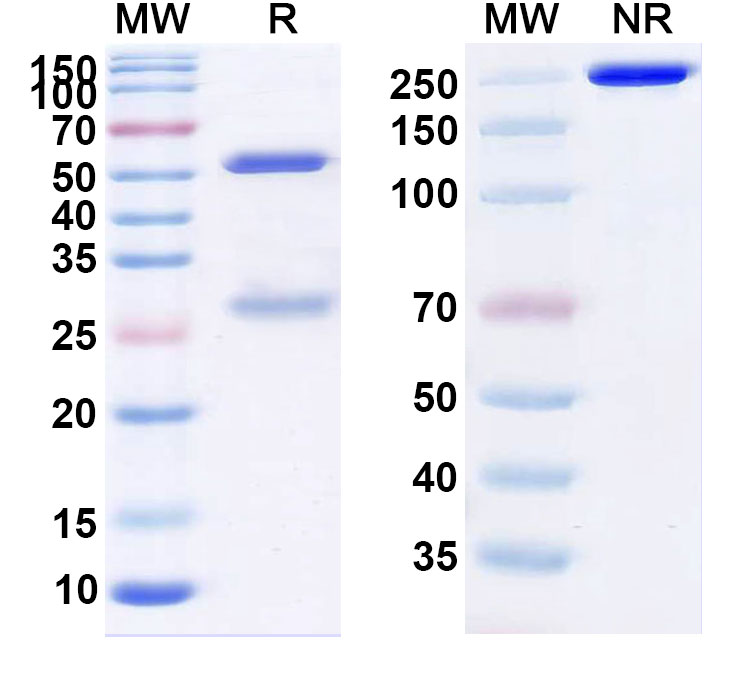
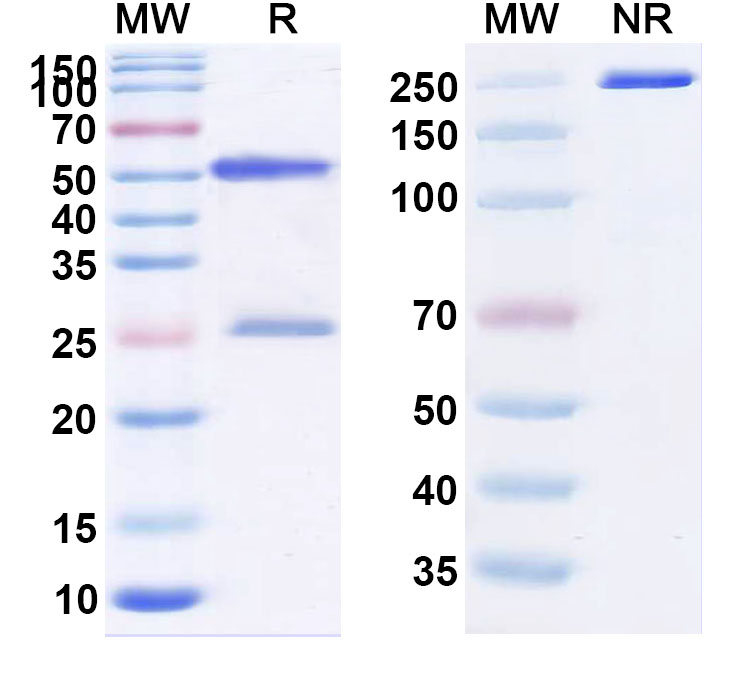
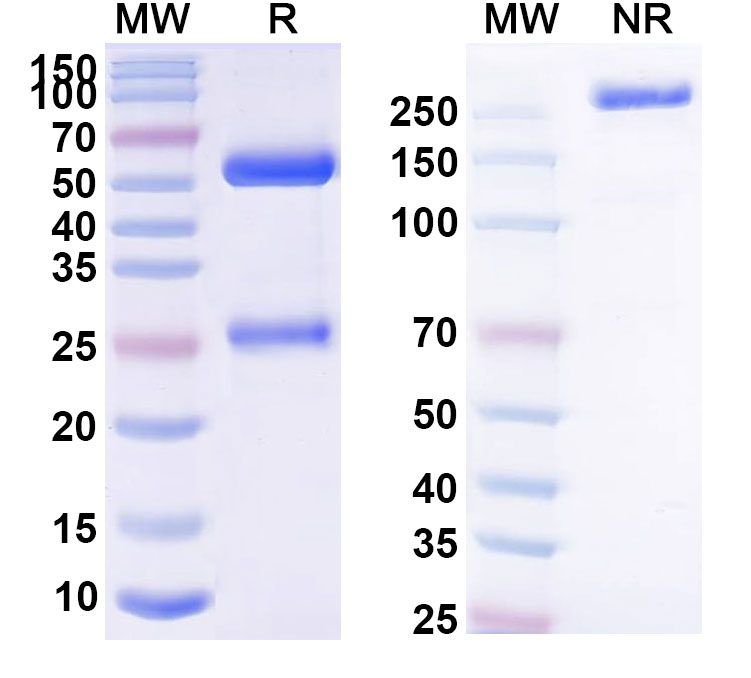
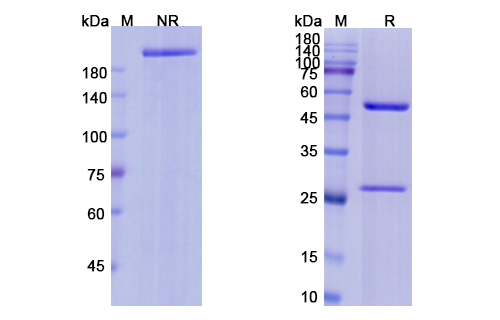
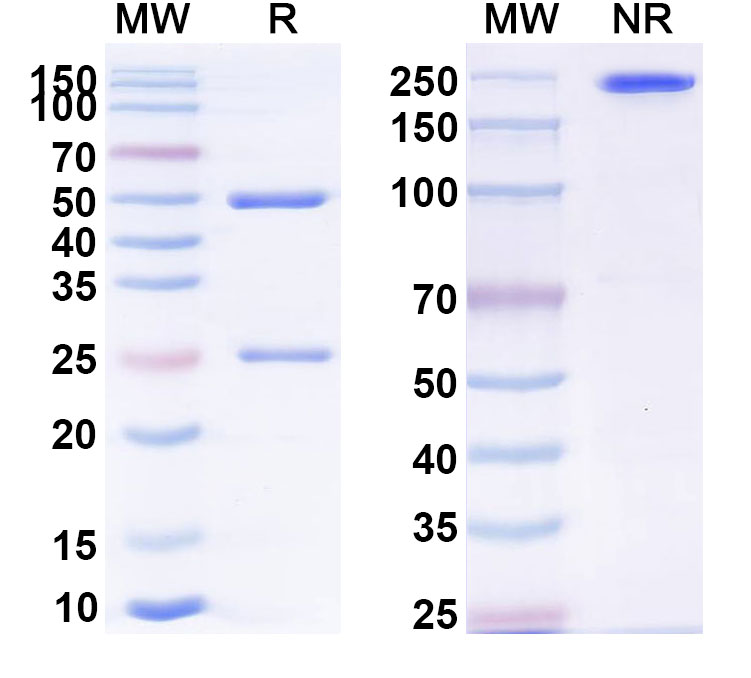
The antibody has a molecular weight of approximately 150 kDa and is composed of two heavy chains and two light chains. The heavy chains consist of four constant regions (CH1, CH2, CH3, and CH4) and one variable region (VH), while the light chains consist of two constant regions (CL) and one variable region (VL). The variable regions of the antibody are responsible for binding to the FUT-4 antigen, while the constant regions play a role in effector functions such as complement activation and antibody-dependent cell-mediated cytotoxicity (ADCC).
Activity of Fanolesomab Biosimilar:
Fanolesomab biosimilar specifically targets FUT-4, an enzyme that is overexpressed in various types of cancer, including breast, lung, and ovarian cancer. FUT-4 is responsible for the synthesis of LeY antigen, which is known to promote tumor growth, invasion, and metastasis. By targeting FUT-4, Fanolesomab biosimilar inhibits the synthesis of LeY antigen, thereby hindering tumor progression and metastasis.
In addition to its anti-tumor activity, Fanolesomab biosimilar also has potential immunomodulatory effects. It has been shown to activate immune cells such as natural killer (NK) cells and macrophages, which can further enhance its anti-tumor activity through ADCC and phagocytosis. This dual mechanism of action makes Fanolesomab biosimilar a promising therapeutic option for cancer treatment.
Potential Applications of Fanolesomab Biosimilar:
Fanolesomab biosimilar has shown promising results in preclinical studies, demonstrating its potential as a therapeutic agent for cancer treatment. Its high specificity and affinity towards FUT-4 make it a suitable candidate for targeted therapy, with minimal off-target effects. It has also shown to be effective in combination with other anti- cancer agents, such as chemotherapy and immunotherapy, further expanding its potential applications.
Moreover, Fanolesomab biosimilar has also shown potential in the diagnosis and monitoring of cancer. As FUT-4 is overexpressed in various types of cancer, the antibody can be used as a biomarker for cancer detection and monitoring of treatment response. This can aid in early detection and personalized treatment of cancer patients.
Conclusion:
Fanolesomab biosimilar is a novel antibody that specifically targets FUT-4, a glycosyltransferase enzyme involved in the synthesis of LeY antigen. Its unique structure and dual mechanism of action make it a promising therapeutic option for cancer treatment. With its potential applications in both therapy and diagnosis, Fanolesomab biosimilar holds great promise in the fight against cancer.
There are no reviews yet.