Title: Understanding the Structure and Function of Eftilagimod Alfa Biosimilar – Anti-MHC II Fusion Protein
Introduction:
Eftilagimod Alfa Biosimilar, also known as IMP321, is a promising therapeutic protein that has been developed as a biosimilar of the anti-MHC II fusion protein. It is a fusion protein that combines the extracellular domain of the MHC II molecule with the Fc region of human IgG1. This unique structure gives it the ability to target and modulate the immune system, making it a potential therapeutic agent for various diseases. In this article, we will explore the structure, activity, and applications of Eftilagimod Alfa Biosimilar in more detail.
Structure:
Eftilagimod Alfa Biosimilar is a recombinant protein that is produced in a mammalian cell expression system. It is composed of two main components – the extracellular domain of the MHC II molecule and the Fc region of human IgG1. The extracellular domain of MHC II is responsible for binding to T cells and presenting antigens, while the Fc region of IgG1 is involved in immune effector functions such as antibody-dependent cell-mediated cytotoxicity (ADCC) and complement-dependent cytotoxicity (CDC).
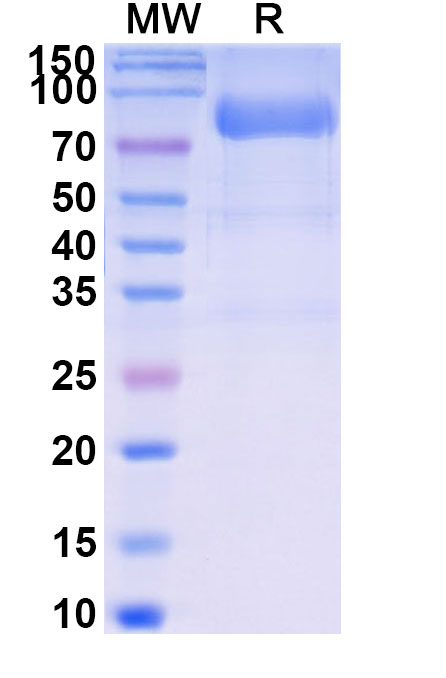
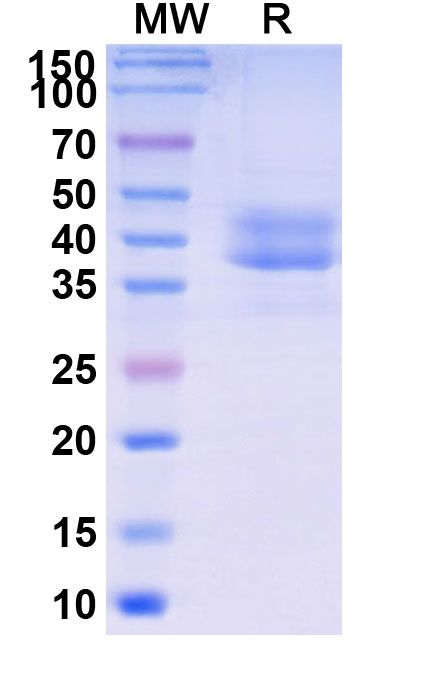
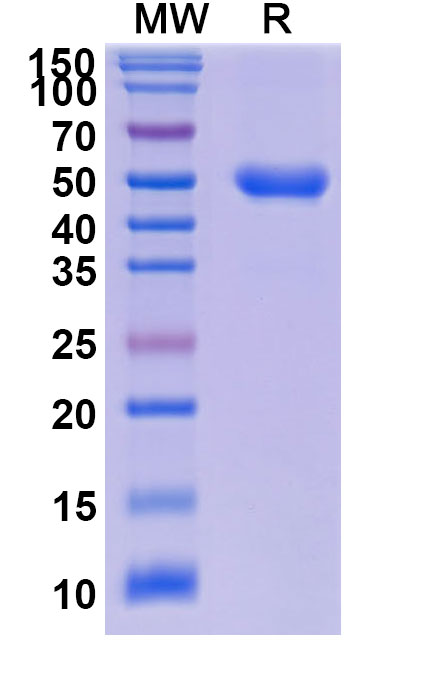
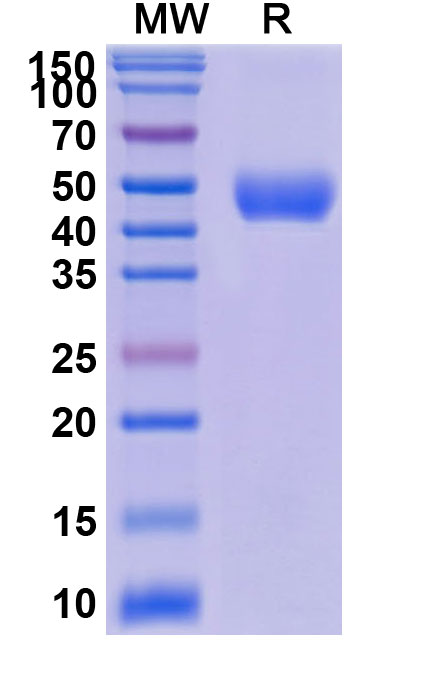
The fusion of these two components creates a larger molecule with a molecular weight of approximately 80 kDa. This size is important as it allows for optimal binding to T cells and efficient modulation of the immune response.
Activity:
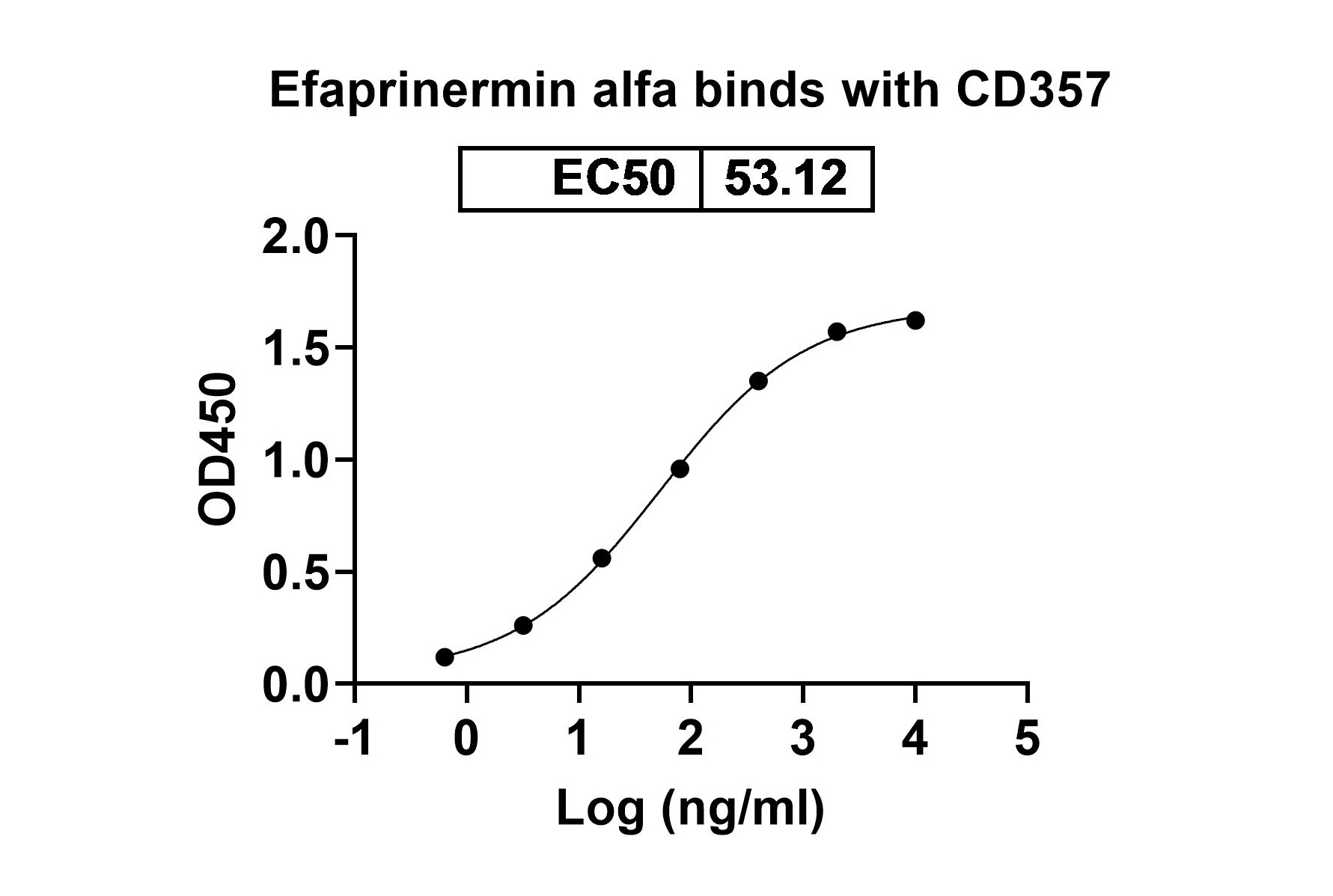
Eftilagimod Alfa Biosimilar works by targeting and binding to MHC II molecules on the surface of antigen-presenting cells (APCs). This binding leads to the activation of T cells, which in turn triggers an immune response. This mechanism of action makes it an attractive therapeutic target for diseases where immune dysregulation is a key factor.
Furthermore, the Fc region of Eftilagimod Alfa Biosimilar can also bind to Fc receptors on immune cells, leading to the activation of immune effector functions. This can enhance the anti-tumor activity of the drug and make it a potential treatment for cancer.
Applications:
Eftilagimod Alfa Biosimilar has shown promising results in preclinical and clinical studies for various diseases. It has been primarily studied as a potential treatment for cancer, with a focus on melanoma and breast cancer. In a phase II clinical trial, Eftilagimod Alfa Biosimilar showed a significant improvement in progression-free survival in patients with metastatic breast cancer.
Apart from
cancer, Eftilagimod Alfa Biosimilar has also shown potential in the treatment of autoimmune diseases such as rheumatoid arthritis and multiple sclerosis. Its ability to modulate the immune response makes it a promising candidate for these diseases where immune dysregulation is a major factor.
Conclusion:
Eftilagimod Alfa Biosimilar, the anti-MHC II fusion protein, is a promising therapeutic agent with a unique structure and mechanism of action. Its ability to target and modulate the immune system makes it a potential treatment for various diseases, especially cancer and autoimmune diseases. Further studies and clinical trials are needed to fully understand the potential of this biosimilar and its role in improving patient outcomes.

There are no reviews yet.