Introduction
Efgivanermin Alfa Biosimilar, also known as Anti-TNFRSF18 fusion protein, is a novel biologic agent that has shown promising results in the treatment of various inflammatory and autoimmune diseases. This biosimilar is a recombinant fusion protein that targets the TNFRSF18 receptor, also known as glucocorticoid-induced TNFR-related protein (GITR). In this article, we will explore the structure, activity, and potential applications of Efgivanermin Alfa Biosimilar in scientific terms.
Structure of Efgivanermin Alfa Biosimilar
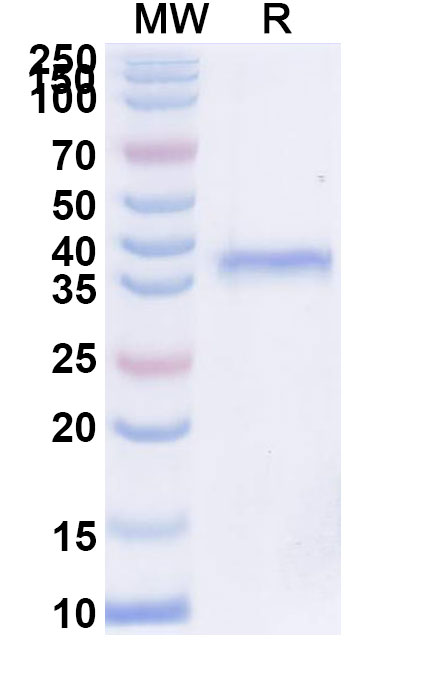
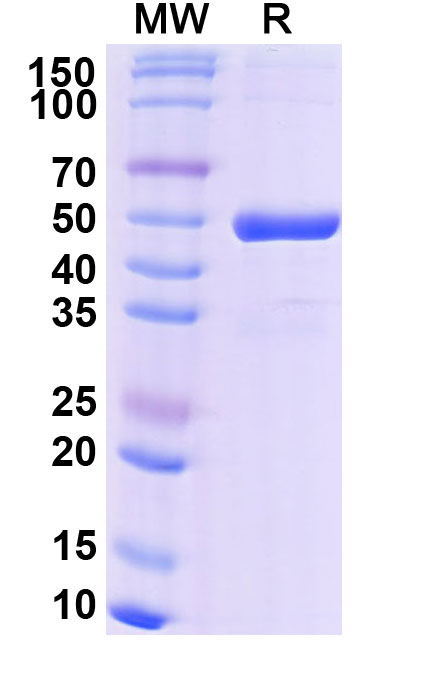
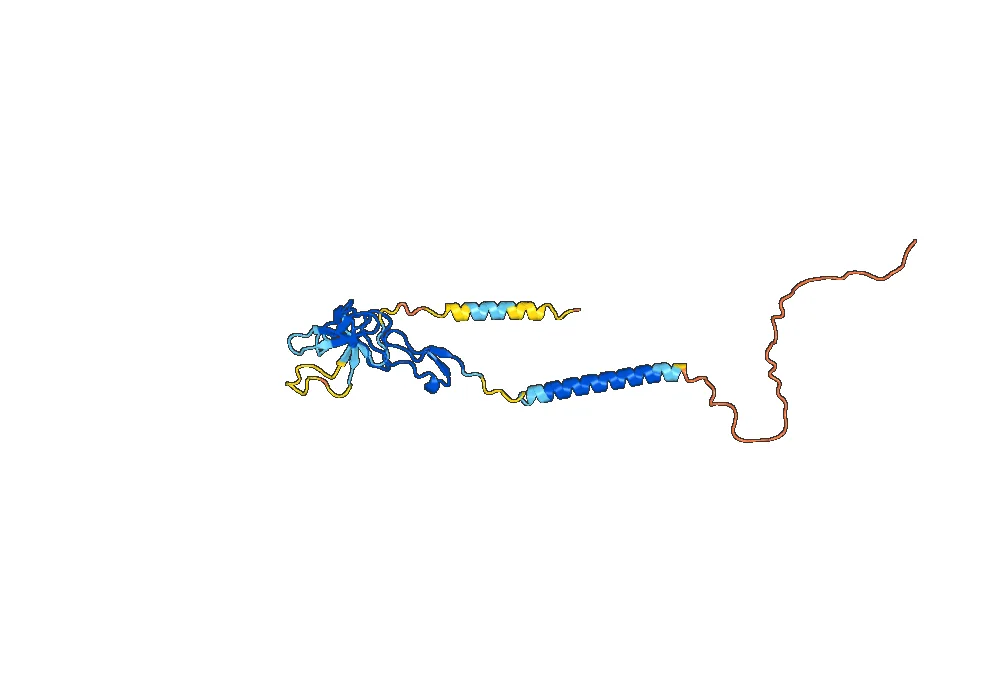
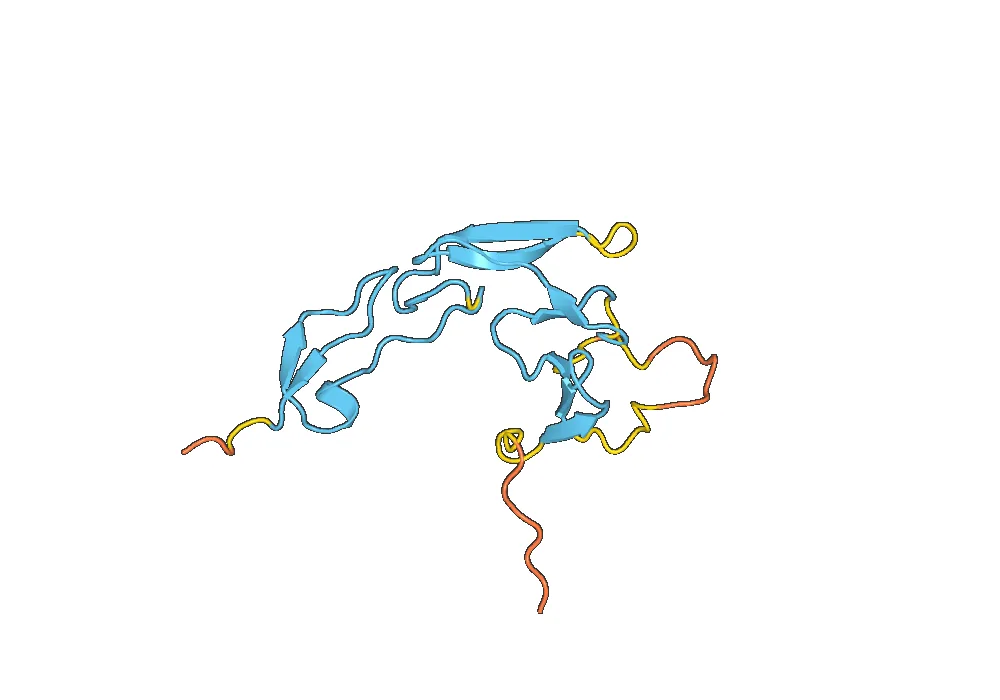
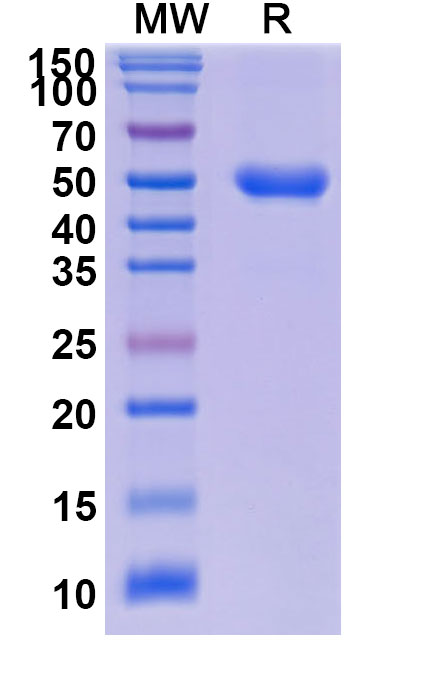
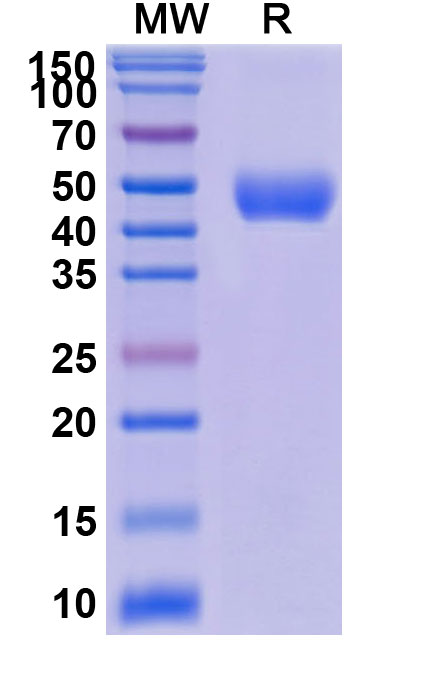
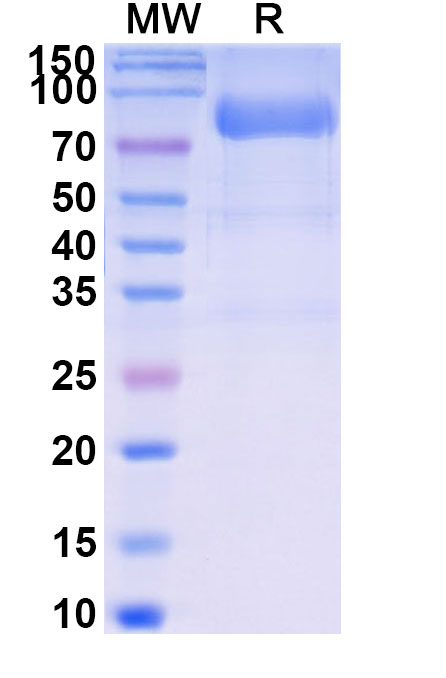
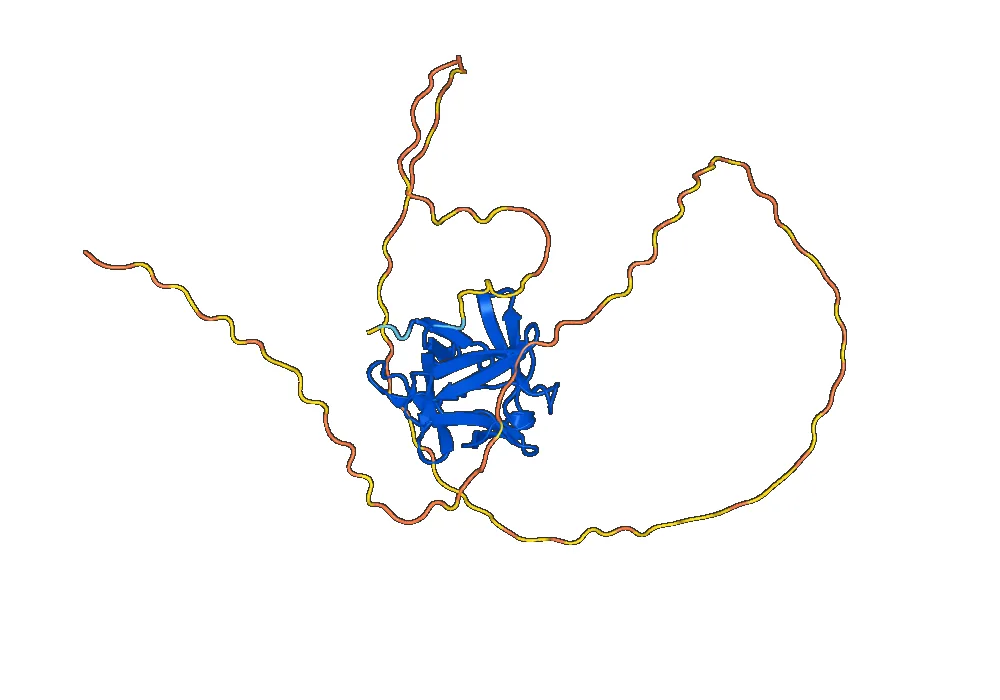
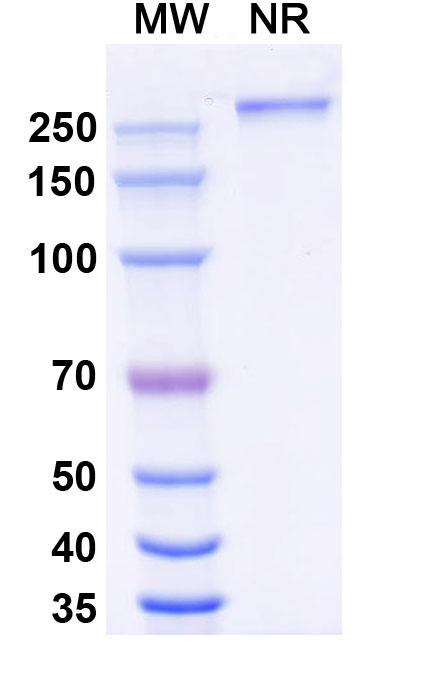
Efgivanermin Alfa Biosimilar is a fusion protein composed of two different components – the extracellular domain of human TNFRSF18 and the Fc region of human immunoglobulin G1 (IgG1). The extracellular domain of TNFRSF18 is responsible for binding to its ligand, GITRL, while the Fc region of IgG1 provides stability and prolongs the half-life of the molecule. This fusion protein is produced through recombinant DNA technology, using mammalian cell culture systems.
Activity of Efgivanermin Alfa Biosimilar
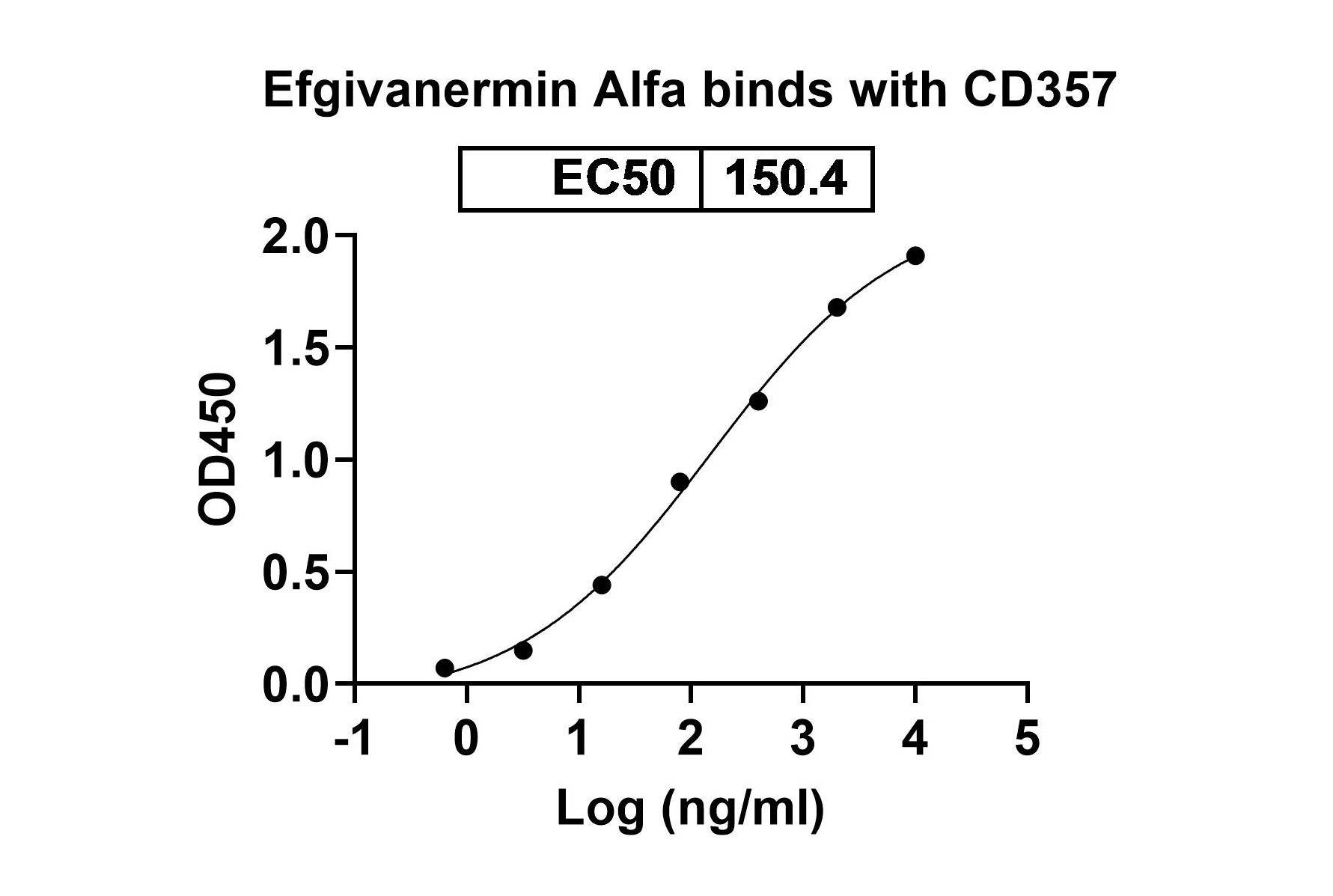
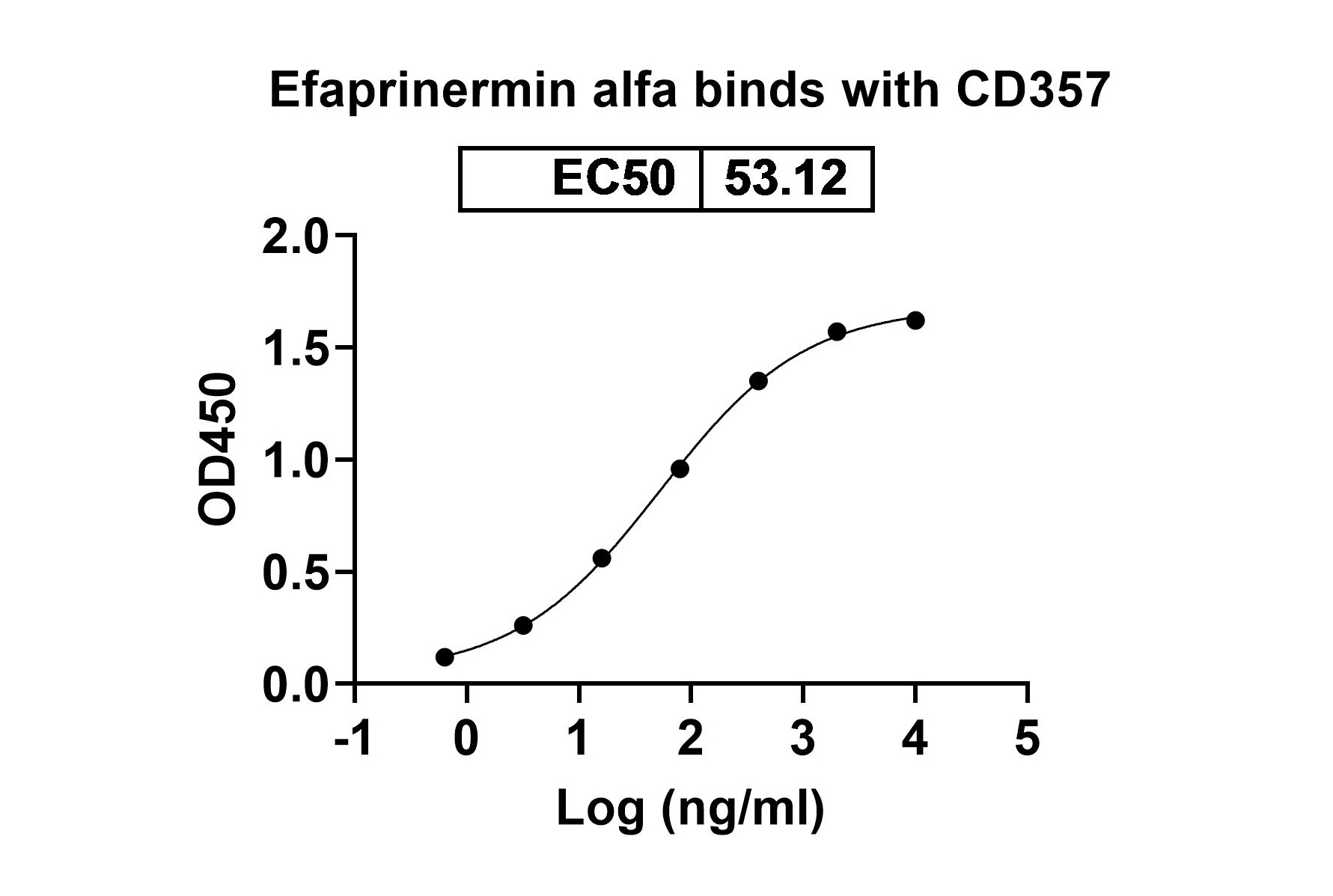
Efgivanermin Alfa Biosimilar acts as a potent antagonist of the TNFRSF18 receptor, which is expressed on various immune cells, including T cells, B cells, and dendritic cells. The binding of Efgivanermin Alfa Biosimilar to TNFRSF18 blocks the interaction between the receptor and its ligand, GITRL, thereby inhibiting downstream signaling pathways. This results in the suppression of immune responses, including the activation and proliferation of T cells, production of pro-inflammatory cytokines, and differentiation of regulatory T cells.
Therapeutic Target: TNFRSF18
TNFRSF18, also known as GITR, is a member of the tumor necrosis factor receptor superfamily. It is primarily expressed on activated T cells and regulatory T cells, where it plays a crucial role in modulating immune responses. The interaction between TNFRSF18 and its ligand, GITRL, has been implicated in the pathogenesis of various inflammatory and autoimmune diseases, such as rheumatoid arthritis, multiple sclerosis, and inflammatory bowel disease. Therefore, TNFRSF18 is an attractive therapeutic target for the treatment of these conditions.
Potential Applications of Efgivanermin Alfa Biosimilar
Efgivanermin Alfa Biosimilar has shown promising results in preclinical studies and is currently being evaluated in clinical trials for the treatment of various diseases. One of the potential applications of this biosimilar is in the treatment of rheumatoid arthritis, where it has been shown to reduce disease activity and improve clinical outcomes. Additionally, Efgivanermin Alfa Biosimilar has also shown efficacy in the treatment of multiple sclerosis, with a significant reduction in disease activity and improvement in neurological function. Furthermore, this biosimilar has the potential to be used in the treatment of other inflammatory and autoimmune diseases, such as psoriasis, systemic lupus erythematosus, and inflammatory bowel disease.
Conclusion
In summary, Efgivanermin Alfa Biosimilar, also known as Anti-TNFRSF18 fusion protein, is a novel biologic agent that targets the TNFRSF18 receptor and has shown promising results in the treatment of various inflammatory and autoimmune diseases. Its unique structure and activity make it a potent antagonist of TNFRSF18, which is an attractive therapeutic target for these conditions. With ongoing clinical trials, Efgivanermin Alfa Biosimilar has the potential to become a valuable treatment option for patients suffering from these debilitating diseases.
There are no reviews yet.