Introduction
Dacetuzumab Biosimilar, also known as Anti-CD40 mAb, is a monoclonal antibody that targets the CD40 protein, a cell surface receptor involved in immune responses. This biosimilar version of Dacetuzumab has been developed for research purposes and has shown promising results in preclinical studies. In this article, we will discuss the structure, activity, and potential applications of Dacetuzumab Biosimilar as an antibody targeting CD40.
Structure of Dacetuzumab Biosimilar
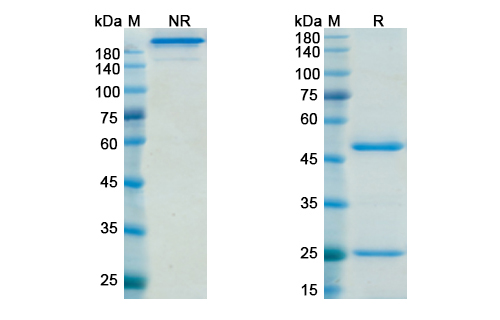
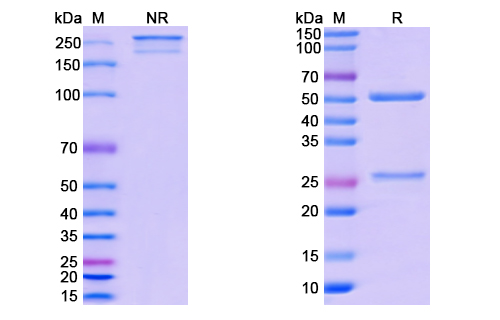
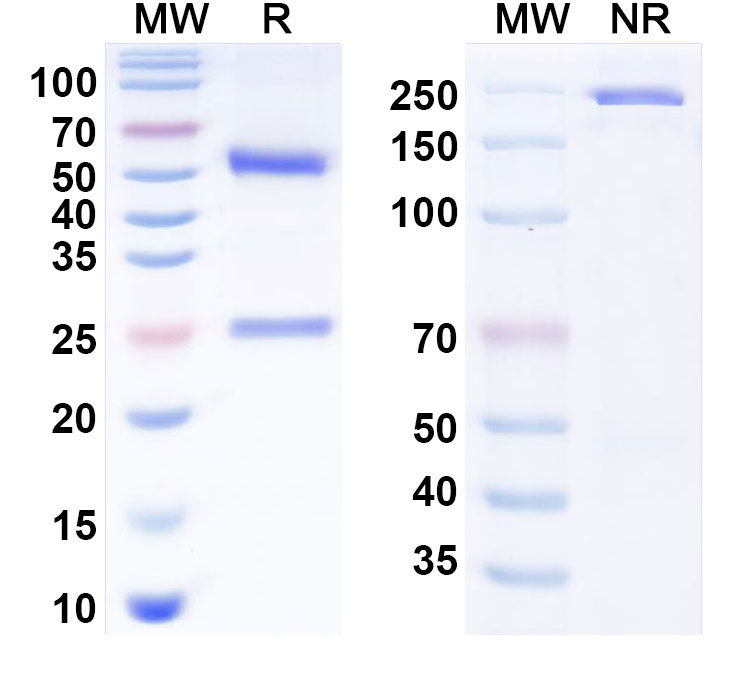
Dacetuzumab Biosimilar is a recombinant, humanized monoclonal antibody that is produced in Chinese hamster ovary (CHO) cells. It has a molecular weight of approximately 150 kDa and is composed of two identical heavy chains and two identical light chains. The heavy chains consist of four constant domains (CH1, CH2, CH3, and CH4) and one variable domain (VH), while the light chains consist of two constant domains (CL and CL’) and one variable domain (VL). The variable domains of both the heavy and light chains form the antigen-binding site, which specifically recognizes and binds to the CD40 protein.
Activity of Dacetuzumab Biosimilar
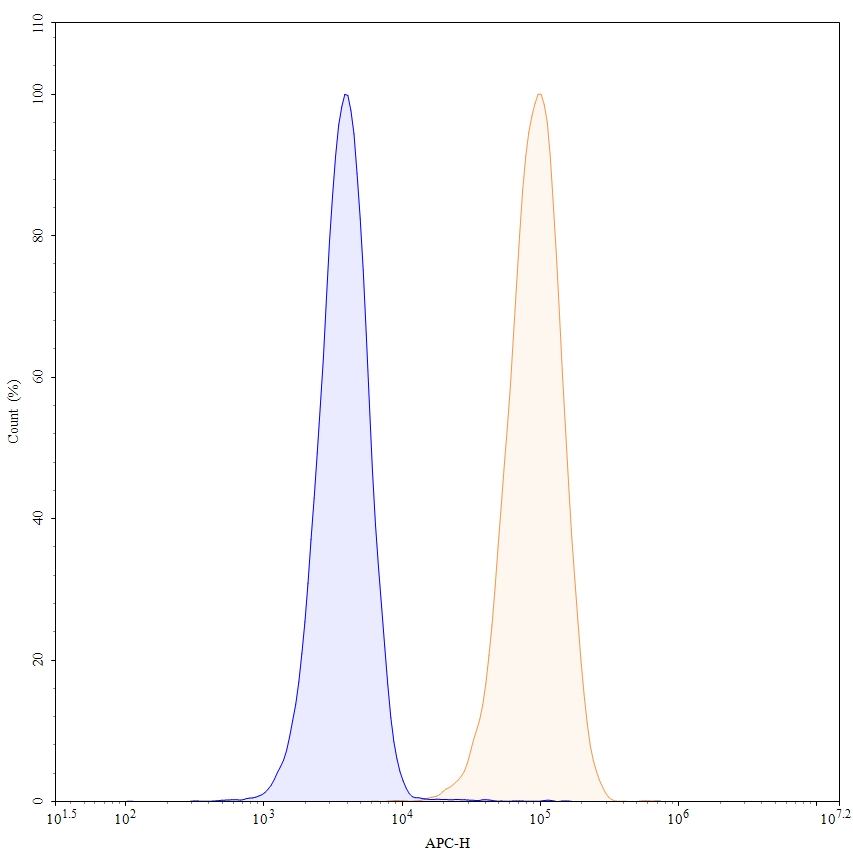
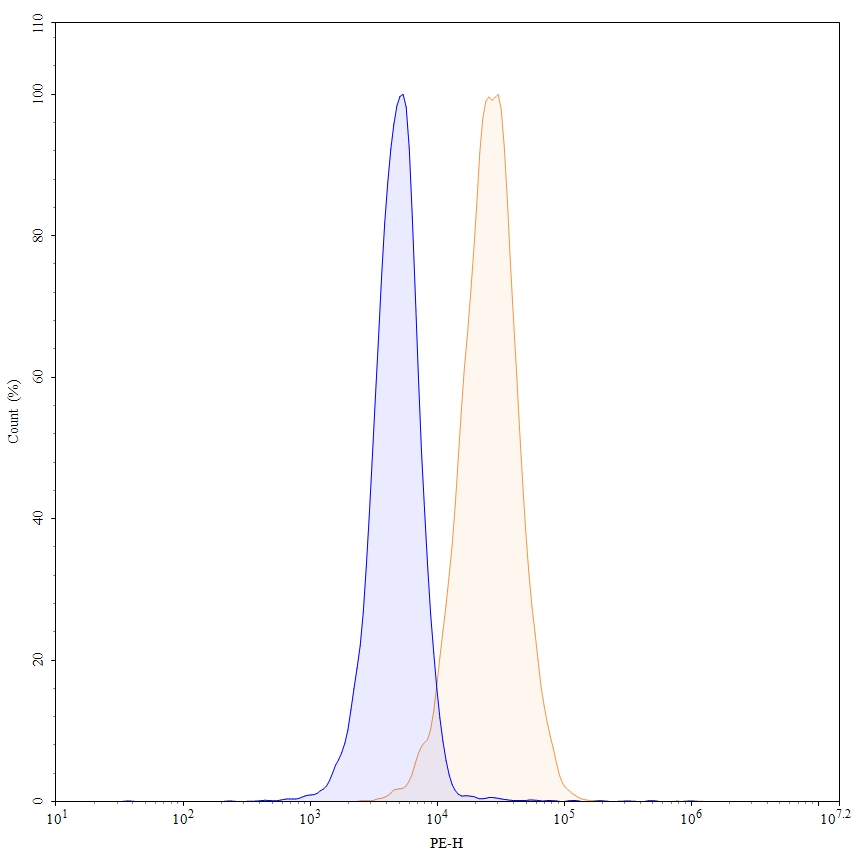
The primary activity of Dacetuzumab Biosimilar is the inhibition of CD40 signaling. CD40 is a transmembrane receptor that is predominantly expressed on immune cells, such as B cells, dendritic cells, and macrophages. Upon binding to its ligand, CD40 activates various signaling pathways that play a crucial role in immune responses, including cell proliferation, survival, and differentiation. However, dysregulation of CD40 signaling has been linked to the pathogenesis of several autoimmune diseases and cancers. Dacetuzumab Biosimilar binds to CD40 with high affinity and blocks the interaction between CD40 and its ligand, thereby inhibiting downstream signaling and potentially modulating immune responses.
Potential Applications of Dacetuzumab Biosimilar
1. Autoimmune Diseases Dacetuzumab Biosimilar has shown potential as a therapeutic option for autoimmune diseases, such as rheumatoid arthritis, systemic lupus erythematosus, and multiple sclerosis. In preclinical studies, Dacetuzumab Biosimilar has been shown to reduce the production of pro-inflammatory cytokines and inhibit the activation of autoreactive T cells, which are key players in the development of autoimmune diseases. Furthermore, Dacetuzumab Biosimilar has been found to have a synergistic effect when combined with other immunosuppressive agents, making it a promising candidate for combination therapy.
2.
Cancer
CD40 has been identified as a therapeutic target for various types of cancer, and Dacetuzumab Biosimilar has shown potential as an anti- cancer agent. Preclinical studies have demonstrated that Dacetuzumab Biosimilar can induce cell death in cancer cells and inhibit tumor growth in animal models. It has also been found to enhance the activity of immune cells, such as T cells and natural killer cells, against cancer cells. These findings suggest that Dacetuzumab Biosimilar could be used as a monotherapy or in combination with other anti- cancer agents for the treatment of cancer.
3.
Transplant Rejection Organ
transplant rejection is a major concern in transplant medicine, and CD40 has been implicated in the rejection process. Dacetuzumab Biosimilar has been shown to inhibit the activation of immune cells that are responsible for transplant rejection, such as T cells and B cells. In addition, Dacetuzumab Biosimilar has been found to prolong the survival of transplanted organs in animal models. These findings suggest that Dacetuzumab Biosimilar could be used as an immunosuppressive agent to prevent transplant rejection.
Conclusion
Dacetuzumab Biosimilar, also known as Anti-CD40 mAb, is a monoclonal antibody that specifically targets the CD40 protein. It has a well-defined structure and inhibits CD40 signaling, making it a promising candidate for the treatment of autoimmune diseases, cancer, and transplant rejection. Further clinical studies are needed to evaluate the safety and efficacy of Dacetuz

There are no reviews yet.