Introduction
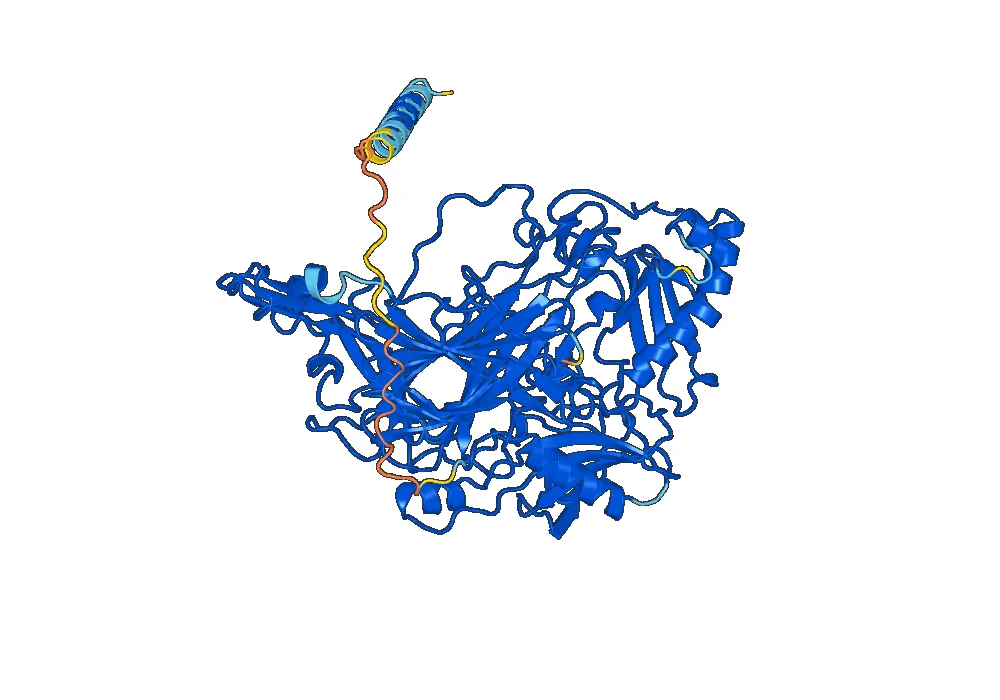
Vepalimomab Biosimilar, also known as Anti-AOC3 or VAP1 mAb, is a research-grade monoclonal antibody that targets the enzyme AOC3 (amine oxidase, copper containing 3) or VAP-1 (vascular adhesion protein-1). This antibody has shown promising potential in the treatment of various inflammatory and autoimmune diseases. In this article, we will discuss the structure, activity, and potential applications of Vepalimomab Biosimilar.
Structure
Vepalimomab Biosimilar is a recombinant humanized monoclonal antibody, meaning it is produced in a laboratory using recombinant DNA technology and has been modified to resemble a human antibody. It is composed of two heavy chains and two light chains, each with a variable region that specifically binds to AOC3. The antibody has a molecular weight of approximately 150 kDa and is composed of 1,340 amino acids.
Activity
AOC3 is an enzyme that is primarily expressed on the surface of endothelial cells and plays a crucial role in inflammation and immune response. It is involved in leukocyte recruitment and activation, as well as the production of pro-inflammatory cytokines. AOC3 has been implicated in the pathogenesis of various diseases, including rheumatoid arthritis, multiple sclerosis, and inflammatory bowel disease.
Vepalimomab Biosimilar works by binding to AOC3 and inhibiting its activity. This leads to a decrease in leukocyte recruitment and activation, as well as a reduction in pro-inflammatory cytokine production. By targeting AOC3, Vepalimomab Biosimilar has the potential to modulate the inflammatory response and provide therapeutic benefits in various diseases.
Applications
Vepalimomab Biosimilar has shown promising results in preclinical studies for the treatment of rheumatoid arthritis, multiple sclerosis, and inflammatory bowel disease. In a mouse model of rheumatoid arthritis, treatment with Vepalimomab Biosimilar significantly reduced joint inflammation and cartilage destruction. In a mouse model of multiple sclerosis, the antibody decreased the severity of symptoms and reduced the infiltration of immune cells into the central nervous system. Additionally, in a mouse model of inflammatory bowel disease, Vepalimomab Biosimilar reduced inflammation and improved intestinal barrier function.
Based on these preclinical studies, Vepalimomab Biosimilar has the potential to be a promising therapeutic option for various inflammatory and autoimmune diseases. Clinical trials are currently underway to evaluate the safety and efficacy of this antibody in humans.
Conclusion
In conclusion, Vepalimomab Biosimilar is a research-grade monoclonal antibody that targets the enzyme AOC3 and has shown promising potential in the treatment of various inflammatory and autoimmune diseases. Its structure, activity, and potential applications make it a promising candidate for future therapeutic use. Further research and clinical trials are needed to fully understand the potential of this antibody and its role in the treatment of inflammatory and autoimmune disorders.

There are no reviews yet.