Introduction:
Bempikibart Biosimilar – Anti-IL7R mAb is a research grade monoclonal antibody that targets the interleukin-7 receptor (IL7R). This antibody has been developed as a biosimilar to the existing anti-IL7R mAbs, with the potential to offer a more cost-effective and accessible treatment option for various diseases.
Structure of Bempikibart Biosimilar:
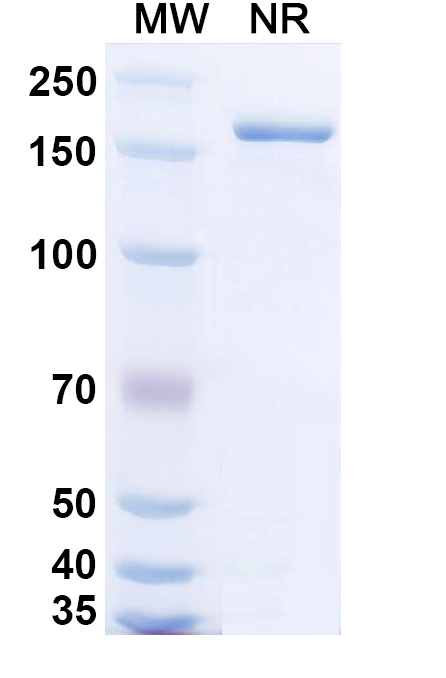
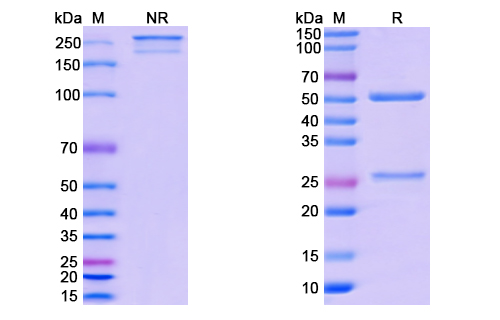
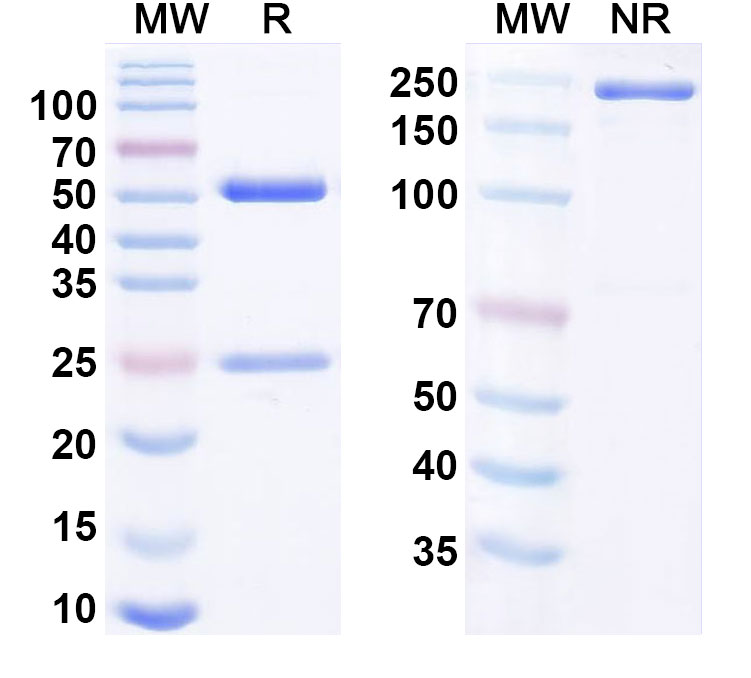
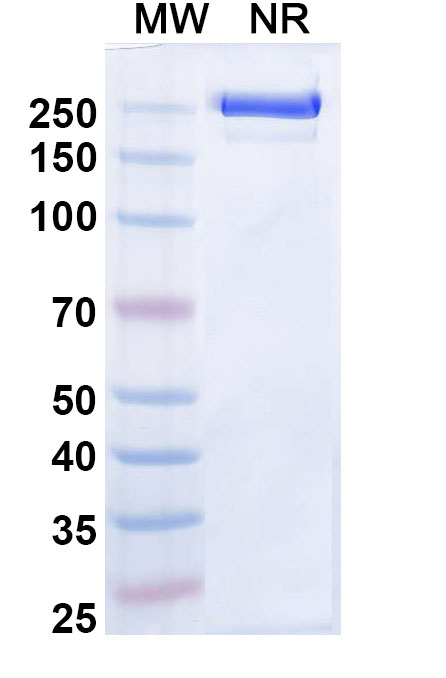
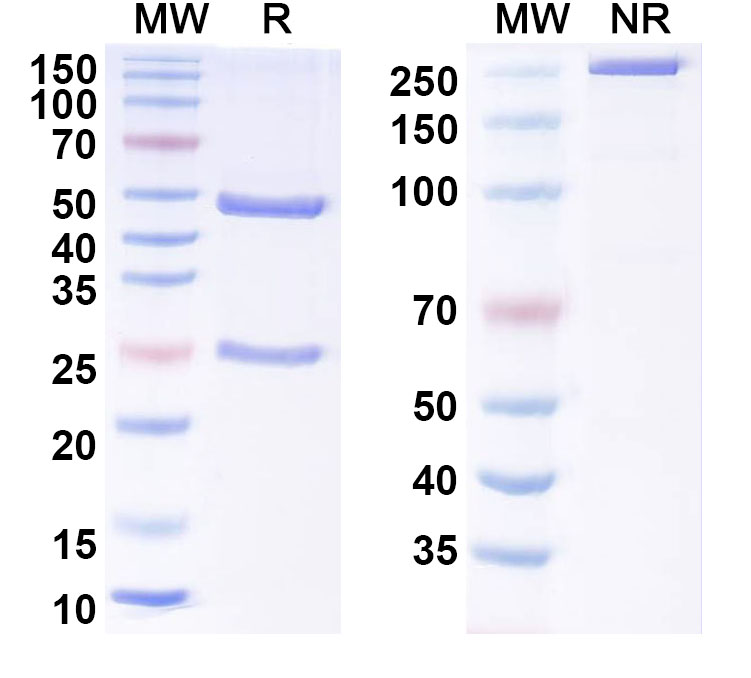
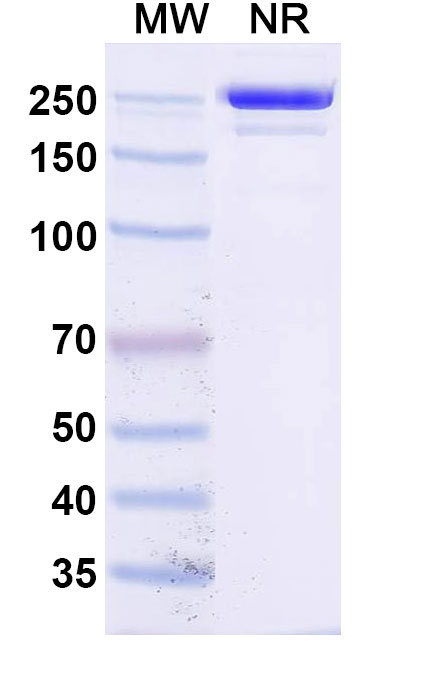
Bempikibart Biosimilar – Anti-IL7R mAb is a recombinant humanized monoclonal antibody, produced using state-of-the-art biotechnology techniques. It is a fully humanized IgG1 kappa antibody, with a molecular weight of approximately 150 kDa. The antibody is composed of two identical heavy chains and two identical light chains, each containing a variable region and a constant region. The variable region is responsible for binding to the IL7R, while the constant region determines the antibody’s effector functions.
Activity of Bempikibart Biosimilar:
The primary function of Bempikibart Biosimilar – Anti-IL7R mAb is to bind to the IL7R, a protein found on the surface of various immune cells, including T cells and B cells. By binding to the IL7R, this antibody blocks the interaction of interleukin-7 (IL-7), a cytokine that plays a crucial role in the development and function of immune cells, with its receptor. This results in the inhibition of IL-7 signaling, leading to a decrease in the activation and proliferation of immune cells.
Applications of Bempikibart Biosimilar:
Bempikibart Biosimilar – Anti-IL7R mAb has shown potential in the treatment of various diseases, particularly those involving dysregulated immune responses. One of the primary therapeutic targets for this antibody is autoimmune diseases, such as multiple sclerosis, rheumatoid arthritis, and type 1 diabetes. By inhibiting IL-7 signaling, Bempikibart Biosimilar can reduce the inflammatory response and prevent further damage to the affected tissues.
Another potential application of Bempikibart Biosimilar is in the treatment of certain types of cancers, such as T-cell acute lymphoblastic leukemia (T-ALL) and T-cell lymphomas. IL-7 signaling has been implicated in the growth and survival of cancer cells, and by blocking this pathway, Bempikibart Biosimilar can potentially inhibit tumor growth and promote cancer cell death.
Furthermore, Bempikibart Biosimilar may also have a role in the treatment of immunodeficiency disorders, such as severe combined immunodeficiency (SCID) and common variable immunodeficiency (CVID). These disorders are characterized by a deficiency in immune cell function, and by inhibiting IL-7 signaling, Bempikibart Biosimilar can potentially improve immune cell development and function.
Conclusion:
In summary, Bempikibart Biosimilar – Anti-IL7R mAb is a promising research grade antibody with a specific target and potential therapeutic applications in various diseases. Its structure, activity, and potential applications make it a valuable tool for further research and development in the field of immunology and cancer therapy.


There are no reviews yet.