Introduction
Dalnicastobart Biosimilar – Anti-TNFRSF5 mAb – Research Grade is a novel biosimilar antibody that has shown promising results in targeting TNFRSF5, a therapeutic target for various diseases. This biosimilar is a monoclonal antibody (mAb) that has been developed as a cost-effective alternative to the original anti-TNFRSF5 mAbs. In this article, we will discuss the structure, activity, and potential applications of Dalnicastobart Biosimilar in detail.
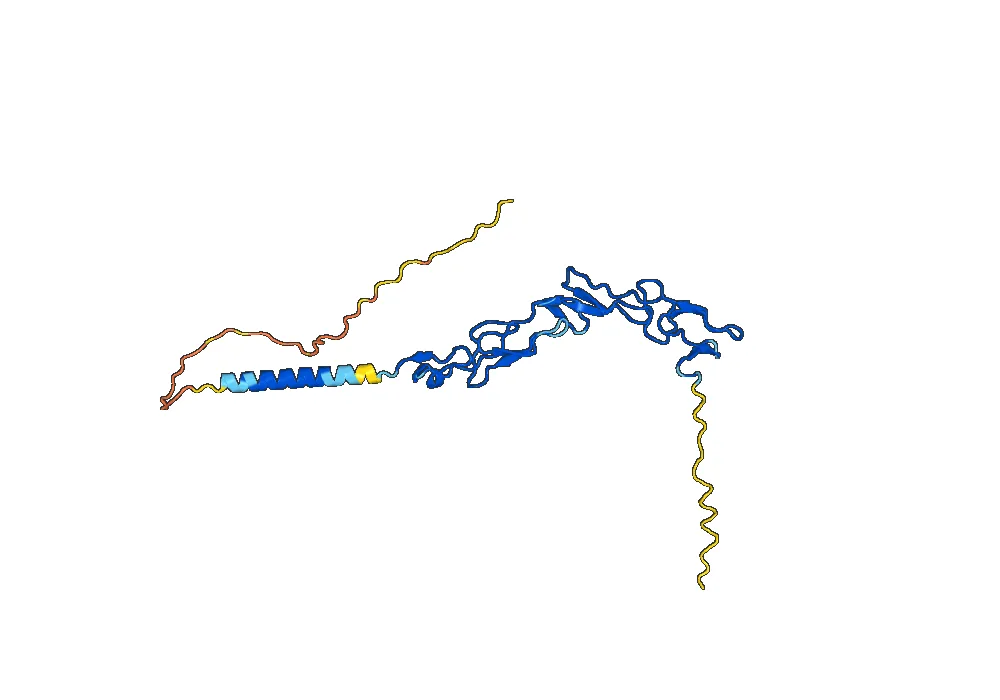
Structure of Dalnicastobart Biosimilar
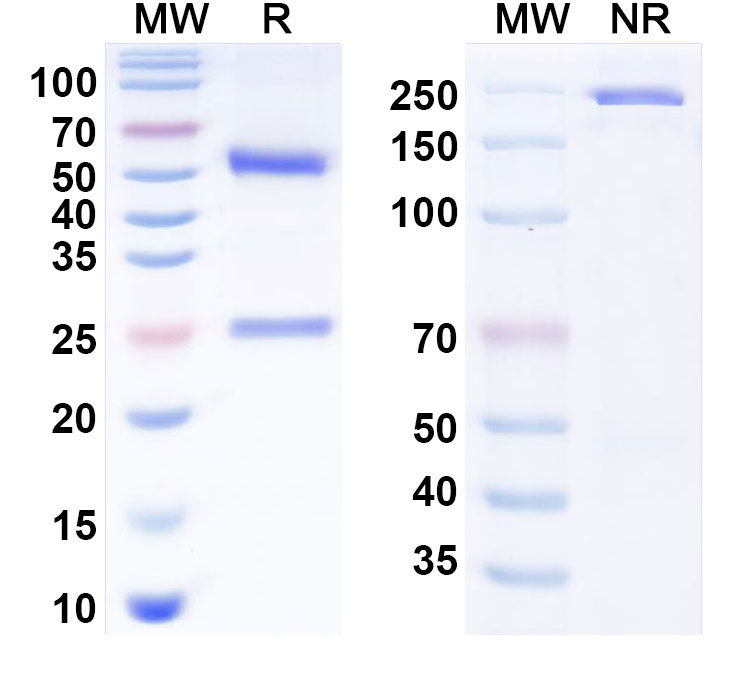
Dalnicastobart Biosimilar is a recombinant mAb that has been developed using advanced genetic engineering techniques. It is a chimeric antibody, meaning it contains both human and non-human components. The variable region of the antibody is derived from the original anti-TNFRSF5 mAb, while the constant region is humanized to reduce the risk of immunogenicity. This structure allows Dalnicastobart Biosimilar to specifically target TNFRSF5 without causing any adverse immune reactions.
Activity of Dalnicastobart Biosimilar
Dalnicastobart Biosimilar exerts its activity by binding to TNFRSF5, also known as CD40, on the surface of cells. TNFRSF5 is a type I transmembrane protein that is expressed on various immune cells, including B cells, T cells, and dendritic cells. It plays a crucial role in regulating immune responses and is involved in the development of autoimmune diseases, allergies, and certain cancers.
By binding to TNFRSF5, Dalnicastobart Biosimilar blocks its interaction with its ligand, CD154. This interaction is essential for the activation and differentiation of B cells and T cells, which are key players in immune responses. By inhibiting this interaction, Dalnicastobart Biosimilar suppresses the immune response, leading to a reduction in inflammation and tissue damage.
Applications of Dalnicastobart Biosimilar
Dalnicastobart Biosimilar has shown promising results in preclinical studies for the treatment of various diseases. Some potential applications of this biosimilar include:
1. Autoimmune Diseases: TNFRSF5 has been implicated in the development of autoimmune diseases such as rheumatoid arthritis, systemic lupus erythematosus, and multiple sclerosis. By targeting TNFRSF5, Dalnicastobart Biosimilar can potentially alleviate the symptoms of these diseases and improve the quality of life for patients.
2. Allergies: TNFRSF5 has also been linked to the development of allergies, including allergic asthma and allergic rhinitis. By blocking TNFRSF5, Dalnicastobart Biosimilar can potentially reduce the severity of allergic reactions and improve the overall health of patients.
3.
Cancer: TNFRSF5 is overexpressed on the surface of certain
cancer cells and is involved in promoting their growth and survival. By inhibiting TNFRSF5, Dalnicastobart Biosimilar can potentially inhibit tumor growth and enhance the efficacy of other cancer treatments.
4.
Transplant Rejection: TNFRSF5 is involved in the activation of immune cells that can lead to transplant rejection. By targeting TNFRSF5, Dalnicastobart Biosimilar can potentially prevent transplant rejection and improve the success rate of organ transplants.
Conclusion
In conclusion, Dalnicastobart Biosimilar – Anti-TNFRSF5 mAb – Research Grade is a novel biosimilar antibody that has shown promising results in targeting TNFRSF5, a therapeutic target for various diseases. Its unique structure and mechanism of action make it a potential treatment option for autoimmune diseases, allergies, cancer, and transplant rejection. Further clinical studies are needed to fully evaluate the efficacy and safety of this biosimilar in various disease conditions.

There are no reviews yet.