Introduction
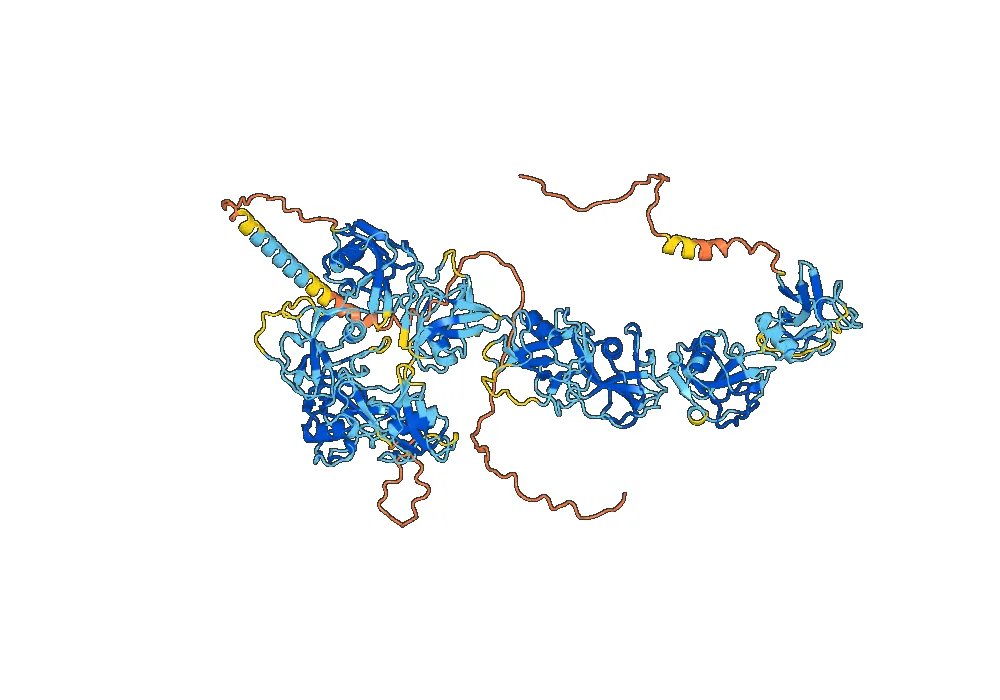
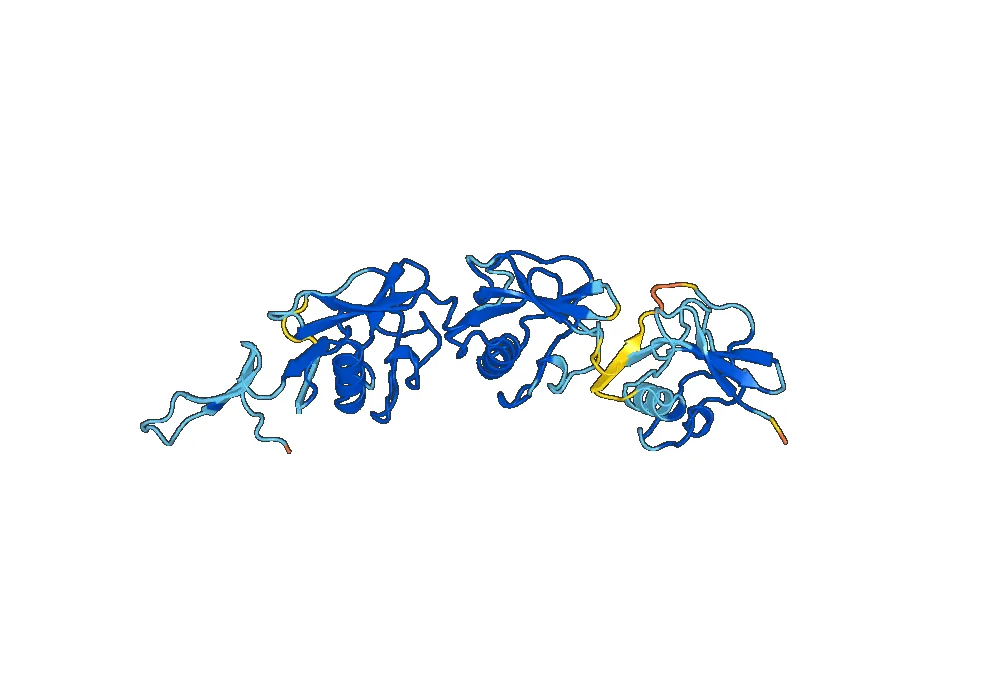
Zovostotug Biosimilar is a novel therapeutic antibody that targets the scavenger receptor cysteine-rich type 1 protein M130 (SRCL) and has potential applications in various diseases. This research grade antibody is highly specific and has been developed through extensive research and testing. In this article, we will discuss the structure, activity, and potential applications of Zovostotug Biosimilar.
Structure of Zovostotug Biosimilar
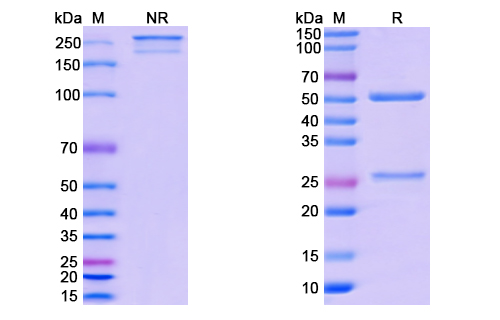
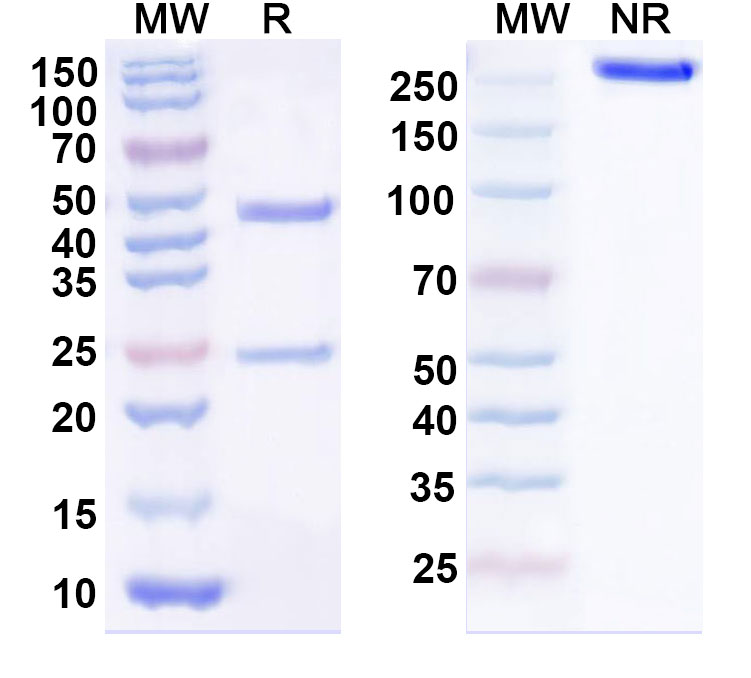
Zovostotug Biosimilar is a monoclonal antibody (mAb) that is produced in the laboratory. It is a recombinant antibody, meaning it is produced by cloning the gene for the specific antibody and expressing it in a host cell. The structure of Zovostotug Biosimilar is similar to that of the natural antibody produced by the human body, making it highly specific and effective.
The antibody has a Y-shaped structure, with two identical heavy chains and two identical light chains. The heavy chains are composed of constant and variable regions, while the light chains have only variable regions. The variable regions of the antibody are responsible for binding to the target protein, SRCL.
Activity of Zovostotug Biosimilar
Zovostotug Biosimilar is a potent inhibitor of SRCL, a protein that plays a crucial role in various biological processes. SRCL is a transmembrane protein that is expressed on the surface of various immune cells, including macrophages and dendritic cells. It is involved in the recognition and clearance of foreign particles and damaged cells from the body.
The binding of Zovostotug Biosimilar to SRCL prevents its interaction with other ligands, thereby inhibiting its function. This leads to a decrease in the clearance of foreign particles and damaged cells, resulting in reduced inflammation and tissue damage. Additionally, Zovostotug Biosimilar also modulates the immune response by regulating the production of inflammatory cytokines.
Applications of Zovostotug Biosimilar
Zovostotug Biosimilar has potential applications in various diseases where SRCL plays a role. It has been shown to be effective in inflammatory and autoimmune diseases, such as rheumatoid arthritis, psoriasis, and multiple sclerosis. By inhibiting SRCL, Zovostotug Biosimilar reduces inflammation and tissue damage, providing relief to patients.
Moreover, SRCL is also involved in the progression of cancer by promoting angiogenesis and metastasis. Zovostotug Biosimilar has shown promising results in pre-clinical studies as a potential anti- cancer therapy. It inhibits the growth and spread of cancer cells by targeting SRCL and modulating the immune response.
Zovostotug Biosimilar is also being studied for its potential use in organ transplantation. SRCL is involved in the recognition and clearance of transplanted organs, leading to rejection. By inhibiting SRCL, Zovostotug Biosimilar can prevent organ rejection and improve the success rate of organ transplantation.
Conclusion
In conclusion, Zovostotug Biosimilar is a novel therapeutic antibody that targets SRCL and has potential applications in various diseases. Its structure, activity, and potential applications make it a promising candidate for the treatment of inflammatory and autoimmune diseases, cancer, and organ transplantation. Further research and clinical trials are needed to fully understand the potential of Zovostotug Biosimilar and its effectiveness in different diseases.


There are no reviews yet.