Introduction
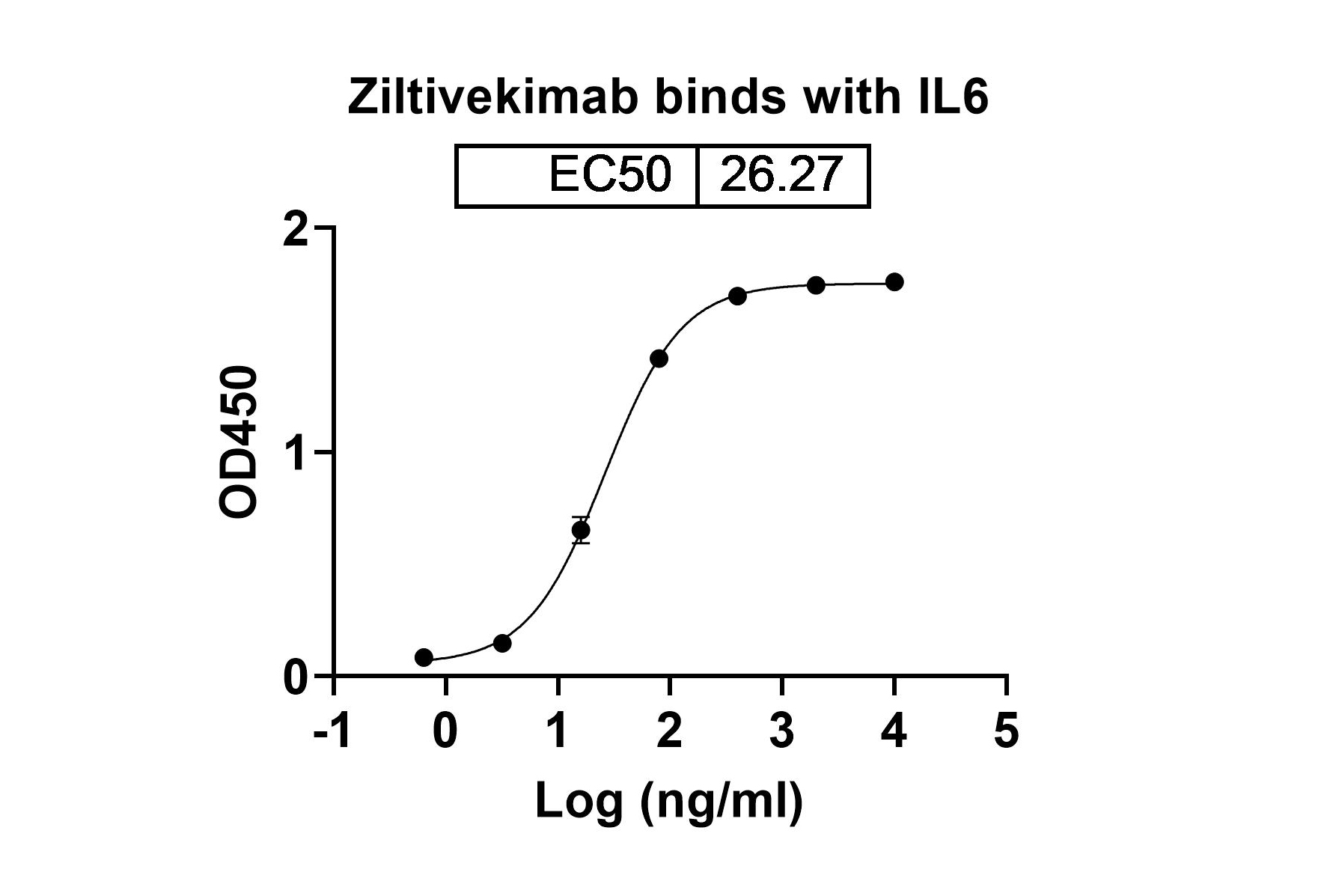
Ziltivekimab Biosimilar is a novel anti-IL6 monoclonal antibody (mAb) that has been developed for therapeutic use. It is a research grade antibody that is designed to target and block the activity of interleukin-6 (IL-6), a pro-inflammatory cytokine that plays a critical role in various diseases.
Structure of Ziltivekimab Biosimilar
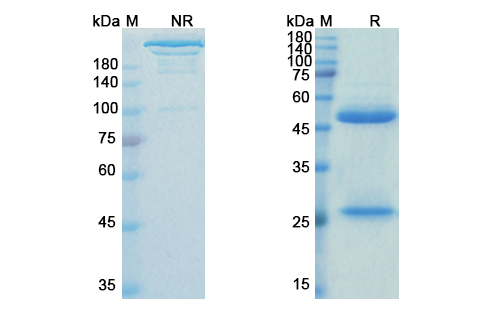
Ziltivekimab Biosimilar is a fully humanized IgG1 monoclonal antibody that is produced using recombinant DNA technology. It is composed of two heavy chains and two light chains, each consisting of variable and constant regions. The variable regions are responsible for binding to IL-6, while the constant regions are important for effector functions such as antibody-dependent cellular cytotoxicity (ADCC) and complement-dependent cytotoxicity (CDC).
Mechanism of Action
Ziltivekimab Biosimilar works by binding to IL-6 and preventing it from interacting with its receptors. IL-6 is a key mediator of inflammation and is involved in various physiological processes, including immune response, hematopoiesis, and tissue regeneration. However, excessive or dysregulated production of IL-6 has been linked to the pathogenesis of several diseases, such as rheumatoid arthritis, systemic lupus erythematosus, and inflammatory bowel disease. By blocking IL-6 activity, Ziltivekimab Biosimilar helps to reduce inflammation and improve disease symptoms.
Applications of Ziltivekimab Biosimilar
Ziltivekimab Biosimilar has potential therapeutic applications in various inflammatory and autoimmune diseases. It has been studied in preclinical and clinical trials for the treatment of rheumatoid arthritis, systemic lupus erythematosus, and cytokine release syndrome (CRS) associated with chimeric antigen receptor (CAR) T-cell therapy. In addition, Ziltivekimab Biosimilar has shown promising results in a phase II clinical trial for the treatment of COVID-19 patients with severe respiratory distress.
Rheumatoid Arthritis
Rheumatoid arthritis (RA) is a chronic inflammatory disease that affects the joints, causing pain, stiffness, and swelling. IL-6 is a key mediator of joint inflammation in RA, and its levels are elevated in the synovial fluid and serum of RA patients. Ziltivekimab Biosimilar has been shown to effectively reduce disease activity and improve symptoms in RA patients, making it a potential treatment option for this disease.
Systemic Lupus Erythematosus
Systemic lupus erythematosus (SLE) is a systemic autoimmune disease that can affect multiple organs and tissues. IL-6 has been implicated in the pathogenesis of SLE, and its levels are elevated in SLE patients. Ziltivekimab Biosimilar has shown promising results in reducing disease activity and improving symptoms in SLE patients, making it a potential treatment option for this disease.
Cytokine Release Syndrome
Cytokine release syndrome (CRS) is a potentially life-threatening complication that can occur in patients receiving CAR T-cell therapy. It is characterized by a rapid and excessive release of cytokines, including IL-6, which can lead to systemic inflammation and organ damage. Ziltivekimab Biosimilar has been shown to effectively block IL-6 and reduce CRS symptoms in preclinical studies, making it a potential treatment option for this complication.
COVID-19
COVID-19 is a viral respiratory illness caused by the SARS-CoV-2 virus. IL-6 has been identified as a major driver of the cytokine storm that occurs in severe cases of COVID-19, leading to respiratory failure and death. Ziltivekimab Biosimilar has shown promising results in reducing IL-6 levels and improving respiratory function in COVID-19 patients, making it a potential treatment option for this disease.
Conclusion
In conclusion, Ziltivekimab Biosimilar is


Stefano Ministrini — April 15, 2022
★★★★★
I used this antibody for in vivo blockade of IL-6. It worked as expected and I got interesting results.