Introduction to Volociximab Biosimilar
Volociximab Biosimilar, also known as Anti-ITGA5 or CD49e mAb, is a monoclonal antibody that targets the integrin alpha 5 (ITGA5) protein. It is a research grade biosimilar of the original Volociximab, which is a humanized monoclonal antibody developed by PDL BioPharma Inc. for the treatment of solid tumors. This biosimilar has been designed to have similar structure and activity as the original Volociximab, but at a lower cost.
Structure of Volociximab Biosimilar
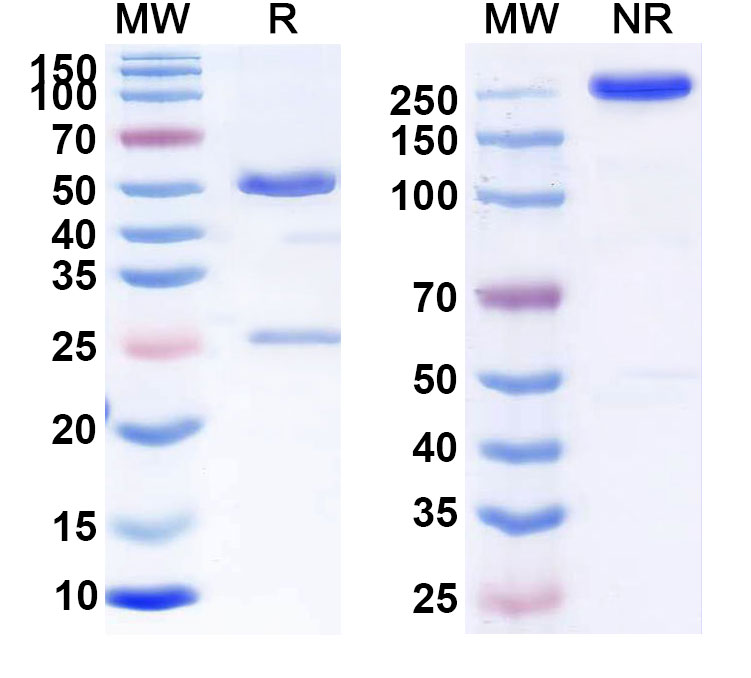
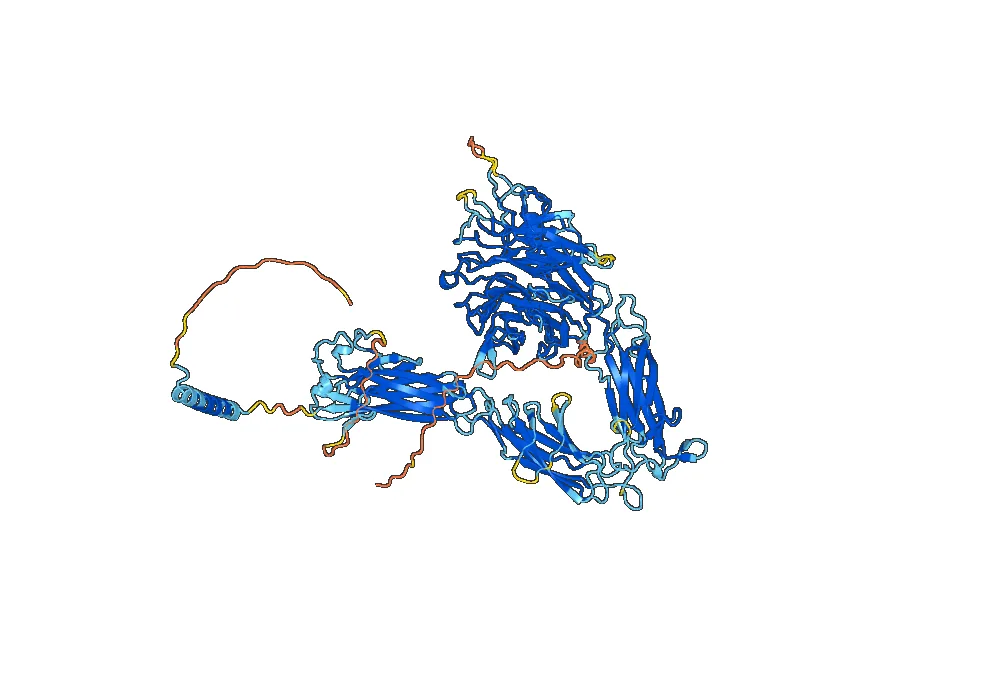
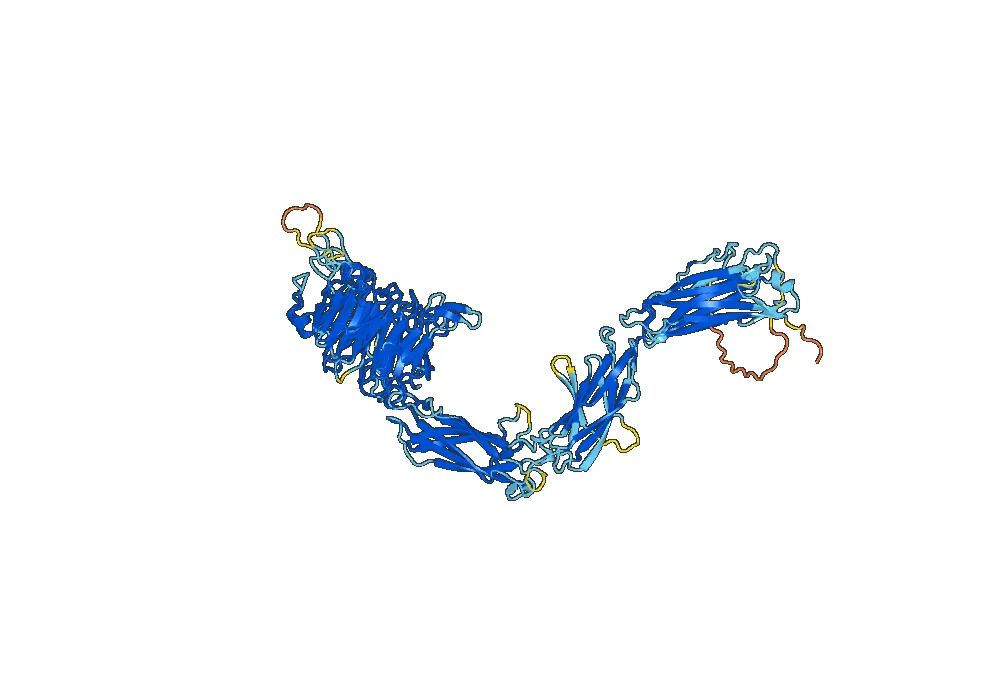
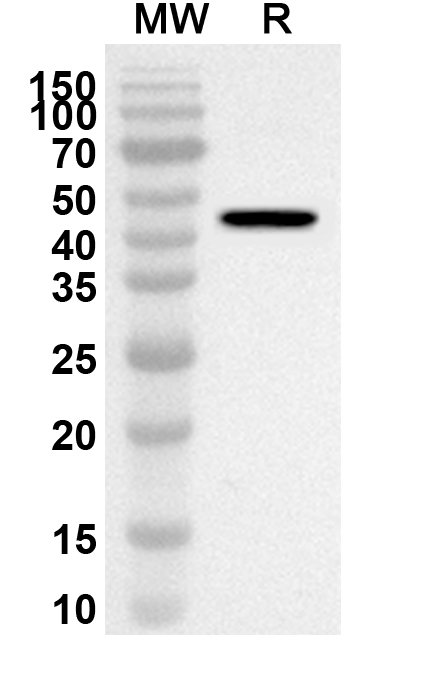
Volociximab Biosimilar is a recombinant monoclonal antibody that is produced in a mammalian cell expression system. It is composed of two heavy chains and two light chains, linked together by disulfide bonds. The heavy chains are made up of 450 amino acids and the light chains are made up of 214 amino acids. The antibody has a molecular weight of approximately 150 kDa.
Mechanism of Action
Volociximab Biosimilar works by binding to the ITGA5 protein, which is a subunit of the integrin alpha 5 beta 1 receptor. This receptor is found on the surface of many types of cells, including cancer cells. By binding to this receptor, the biosimilar blocks the interaction between the integrin and its ligands, which are proteins that the integrin normally binds to. This disrupts the signaling pathways that are important for cell survival, proliferation, and migration, ultimately leading to the death of cancer cells.
Therapeutic Target
The primary therapeutic target of Volociximab Biosimilar is the ITGA5 protein. This protein is overexpressed in many types of cancer, including breast, lung, colon, and ovarian cancer. It plays a critical role in promoting tumor growth, invasion, and metastasis. By targeting this protein, Volociximab Biosimilar has the potential to inhibit these processes and improve patient outcomes.
Application of Volociximab Biosimilar
Volociximab Biosimilar is currently being studied for its potential therapeutic benefits in various types of cancer. It has shown promising results in preclinical studies, demonstrating its ability to inhibit tumor growth and metastasis in animal models. In addition, it has been shown to enhance the activity of other anti- cancer treatments, such as chemotherapy and radiation therapy.
The biosimilar is also being evaluated in clinical trials for the treatment of advanced solid tumors, including breast, lung, and ovarian cancer. These trials are assessing the safety, efficacy, and tolerability of Volociximab Biosimilar as a monotherapy or in combination with other treatments.
Conclusion
In summary, Volociximab Biosimilar is a research grade monoclonal antibody that targets the ITGA5 protein, a key therapeutic target in many types of cancer. Its structure and mechanism of action are similar to the original Volociximab, but at a lower cost. This biosimilar has the potential to improve patient outcomes by inhibiting tumor growth and enhancing the activity of other anti- cancer treatments. Ongoing clinical trials will provide further insights into its potential as a therapeutic option for cancer patients.

There are no reviews yet.