Introduction
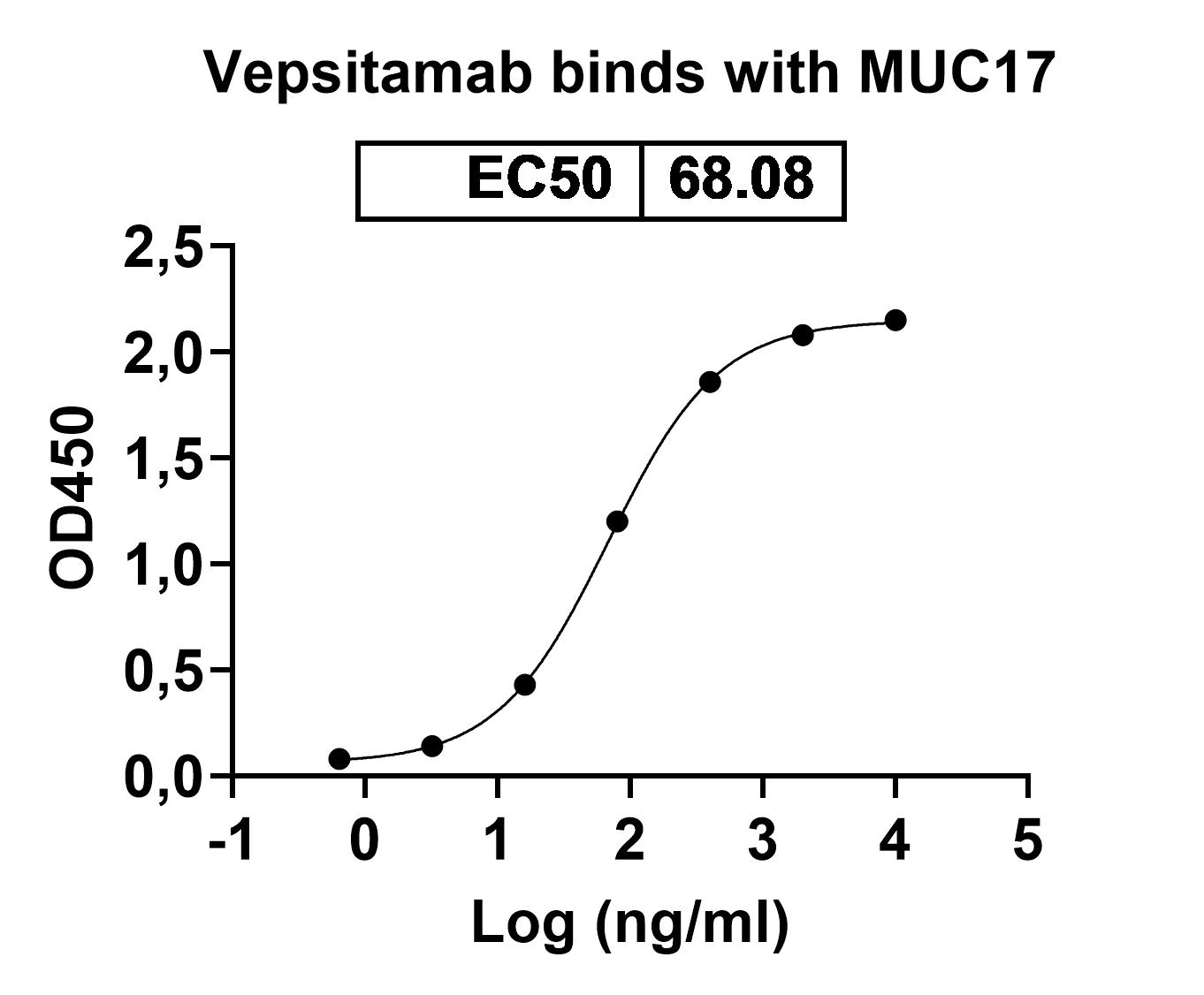
Vepsitamab Biosimilar – Anti-MUC17 & CD3e mAb – Research Grade is a novel antibody that has shown promising results in the treatment of various types of cancer. This biosimilar is a monoclonal antibody that targets the MUC17 protein and CD3e, two important therapeutic targets in cancer treatment. In this article, we will discuss the structure, activity, and potential applications of Vepsitamab Biosimilar.
Structure of Vepsitamab Biosimilar
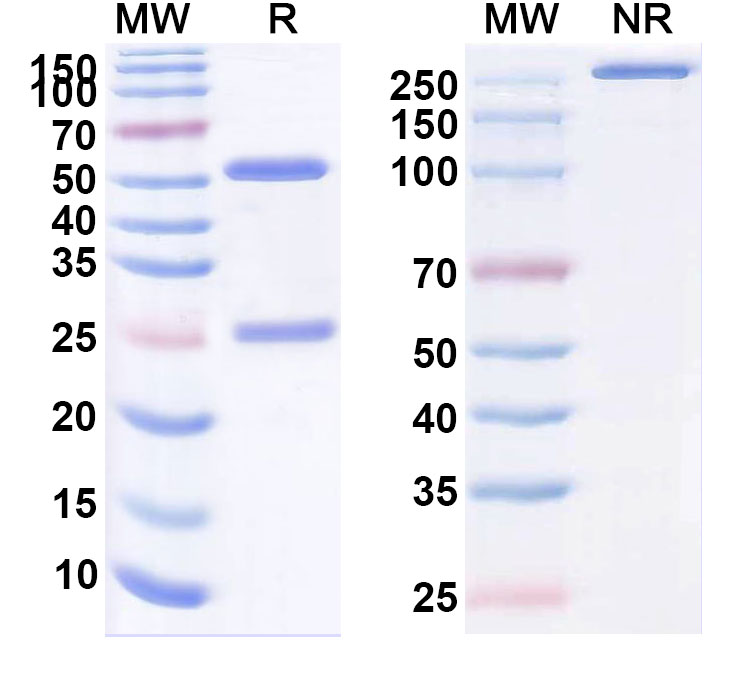
Vepsitamab Biosimilar is a monoclonal antibody, which means it is made from identical immune cells that are all clones of a unique parent cell. This antibody is designed to specifically target the MUC17 protein and CD3e, which are both overexpressed in many types of cancer cells. The structure of Vepsitamab Biosimilar is composed of two heavy chains and two light chains, connected by disulfide bonds. These chains form a Y-shaped structure, with the antigen-binding sites located at the tips of the arms.
Activity of Vepsitamab Biosimilar
Vepsitamab Biosimilar works by binding to the MUC17 protein and CD3e on the surface of cancer cells. This binding triggers an immune response, leading to the destruction of the cancer cells. The MUC17 protein is a transmembrane glycoprotein that is overexpressed in many types of cancer, including breast, lung, and colon cancer. It has been shown to play a role in tumor growth and metastasis. CD3e, on the other hand, is a protein found on the surface of T cells, a type of white blood cell that plays a crucial role in the immune response. By targeting both MUC17 and CD3e, Vepsitamab Biosimilar helps to activate the immune system and enhance its ability to fight cancer cells.
Potential Applications of Vepsitamab Biosimilar
Vepsitamab Biosimilar has shown promising results in preclinical studies and is currently being evaluated in clinical trials for the treatment of various types of cancer. Some potential applications of this biosimilar include:
1. Breast Cancer Breast
cancer is the most common type of cancer in women, and MUC17 is known to be overexpressed in breast cancer cells. Vepsitamab Biosimilar has shown promising results in preclinical studies for the treatment of breast cancer and is currently being evaluated in clinical trials.
2. Lung Cancer Lung
cancer is the leading cause of cancer-related deaths worldwide, and MUC17 has been found to be overexpressed in lung cancer cells. Vepsitamab Biosimilar has shown potential in targeting these cells and could potentially be used as a treatment for lung cancer.
3. Colon Cancer Colon
cancer is the third most common type of cancer and MUC17 has been found to be overexpressed in colon cancer cells. Vepsitamab Biosimilar has shown promising results in preclinical studies and is currently being evaluated in clinical trials for the treatment of colon cancer.
4. Other Cancers
Aside from breast, lung, and colon
cancer, MUC17 has also been found to be overexpressed in other types of cancer, such as gastric, pancreatic, and ovarian cancer. Vepsitamab Biosimilar has the potential to be used as a treatment for these types of cancer as well.
Conclusion
In conclusion, Vepsitamab Biosimilar – Anti-MUC17 & CD3e mAb – Research Grade is a novel antibody that targets the MUC17 protein and CD3e. Its unique structure and activity make it a promising candidate for the treatment of various types of cancer. With ongoing clinical trials, we hope to see this biosimilar being used as an effective therapy for cancer in the near future.



There are no reviews yet.