Introduction
Simridarlimab Biosimilar, also known as Anti-PDL1 & MER6 mAb, is a promising therapeutic antibody that has been developed as a biosimilar to the FDA-approved drug, Atezolizumab. This antibody is designed to target the programmed death-ligand 1 (PDL1) protein, which is overexpressed in various types of cancers. In this article, we will discuss the structure, activity, and potential applications of Simridarlimab Biosimilar in the field of cancer research.
Structure of Simridarlimab Biosimilar
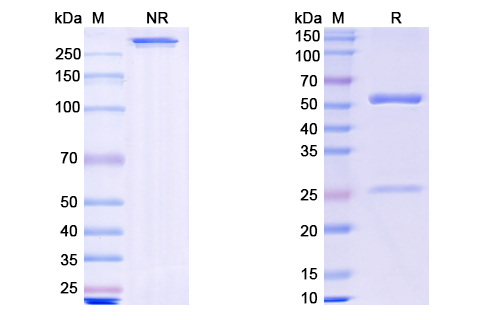
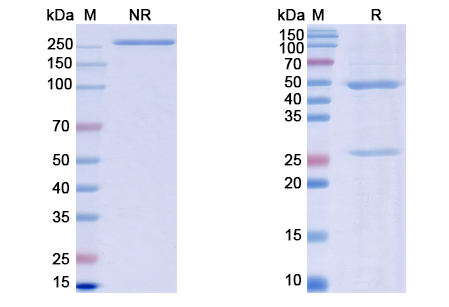
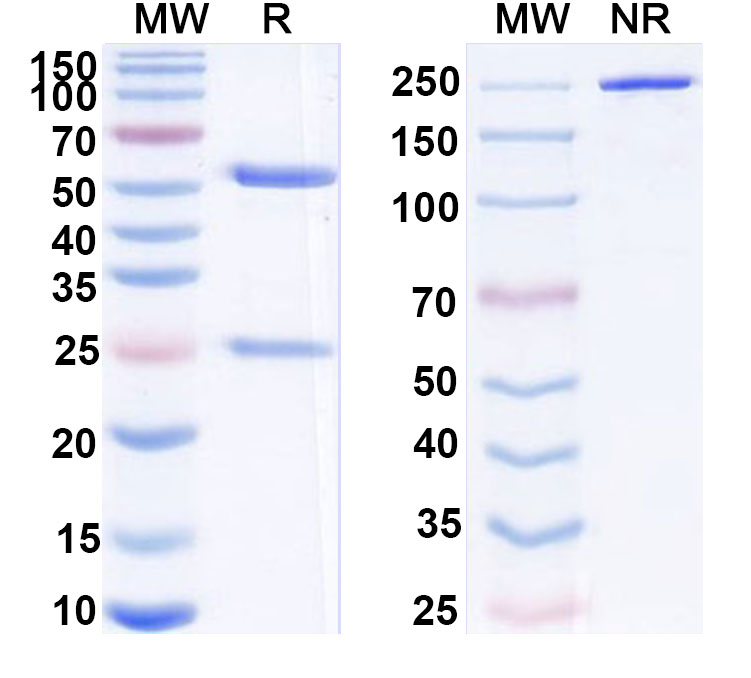
Simridarlimab Biosimilar is a monoclonal antibody (mAb) that is composed of two heavy chains and two light chains. The heavy chains are made up of four constant domains (CH1, CH2, CH3, and CH4) and one variable domain (VH), while the light chains consist of two constant domains (CL) and one variable domain (VL). The VH and VL domains together form the antigen-binding site, which is responsible for the specific recognition and binding of the target protein.
The amino acid sequence of Simridarlimab Biosimilar is highly similar to that of Atezolizumab, with only a few differences in the constant regions. This allows for the biosimilar to have a similar structure and function as the original drug, while also meeting the regulatory requirements for biosimilarity.
Activity of Simridarlimab Biosimilar
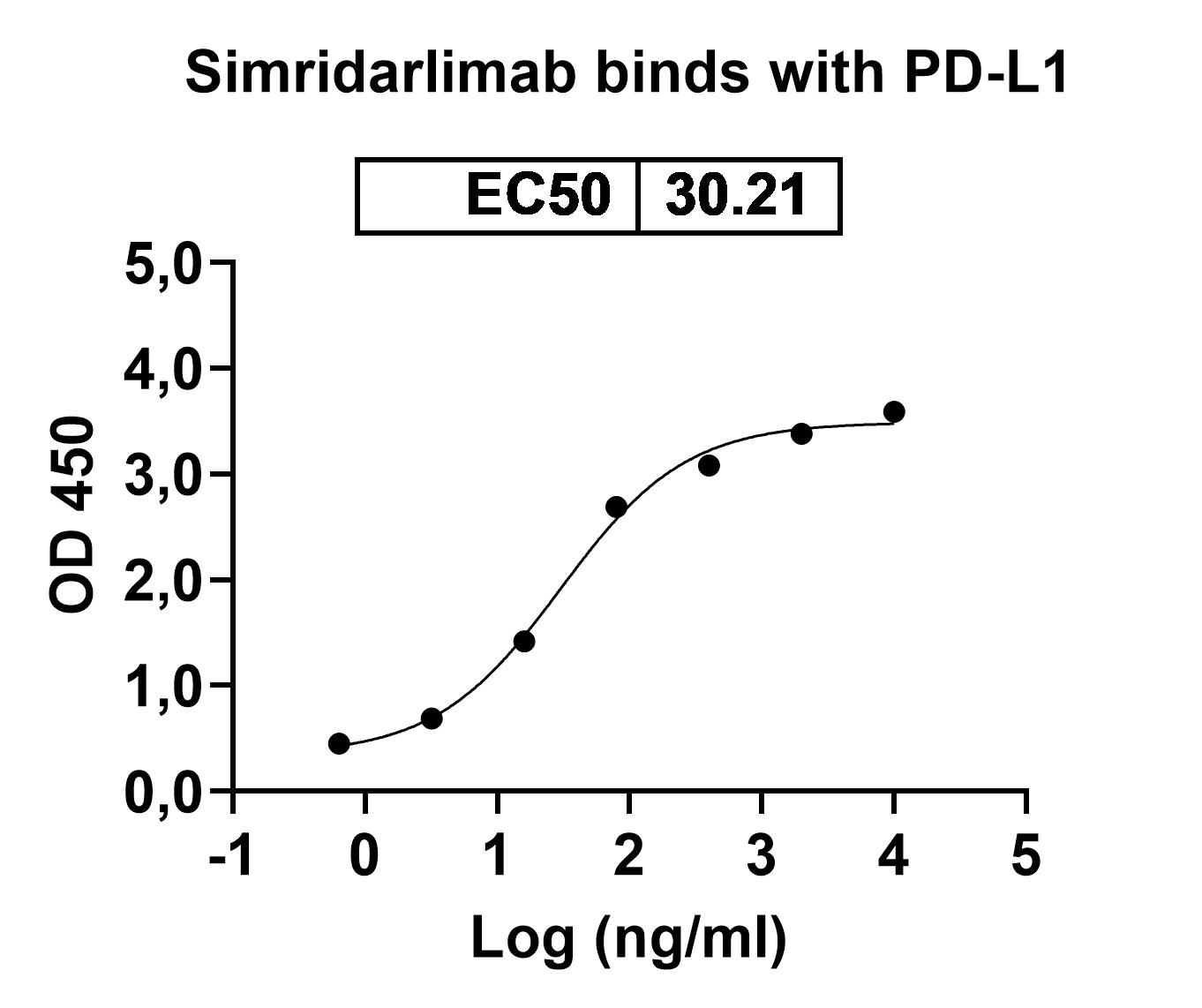
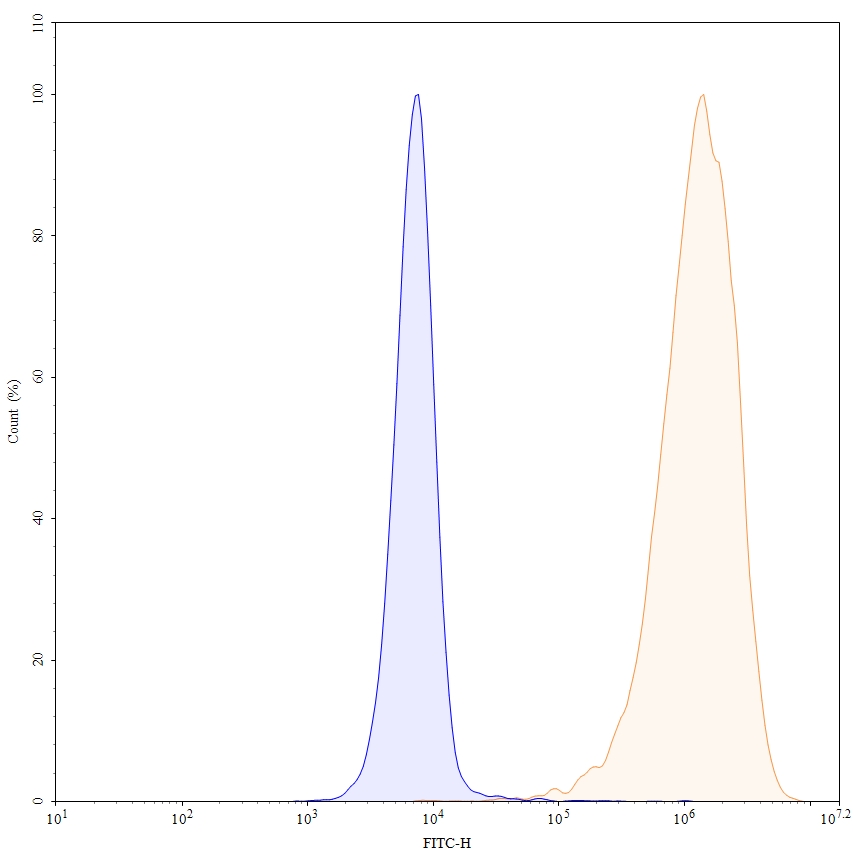
The main activity of Simridarlimab Biosimilar is to block the interaction between PDL1 and its receptor, programmed cell death protein 1 (PD1). This interaction is known to inhibit the body’s immune response against cancer cells, allowing them to evade detection and destruction by the immune system. By binding to PDL1, Simridarlimab Biosimilar prevents this inhibitory interaction and allows the immune system to recognize and attack cancer cells.
Moreover, Simridarlimab Biosimilar also has the ability to induce antibody-dependent cellular cytotoxicity (ADCC) and complement-dependent cytotoxicity (CDC). This means that the antibody can recruit immune cells and activate the complement system to directly kill cancer cells. These additional mechanisms of action make Simridarlimab Biosimilar a more potent and effective therapeutic agent.
Applications of Simridarlimab Biosimilar
As a biosimilar to Atezolizumab, Simridarlimab Biosimilar has the potential to be used in the treatment of various types of cancers, including lung cancer, bladder cancer, and breast cancer. It can be administered as a monotherapy or in combination with other cancer treatments, such as chemotherapy and radiation therapy.
In addition, Simridarlimab Biosimilar can also be used in research settings to study the role of PDL1 in cancer development and progression. The availability of a biosimilar version of Atezolizumab allows for more cost-effective and accessible research, which can lead to a better understanding of the mechanisms of action of PDL1 inhibitors and the development of new therapies.
Conclusion
In summary, Simridarlimab Biosimilar is a promising therapeutic antibody that targets PDL1 and has the potential to be used in the treatment of various types of cancers. Its similar structure and activity to Atezolizumab make it a reliable and effective biosimilar, while also providing a more affordable option for cancer treatment. Furthermore, its use in research can contribute to the advancement of cancer therapies and the understanding of PDL1 as a therapeutic target.
There are no reviews yet.