Introduction
VAK-694 Biosimilar is a monoclonal antibody (mAb) that targets the protein Binetrakin, a key component of the immune system. This biosimilar is a highly specific and potent therapeutic agent that has shown promising results in pre-clinical studies. In this article, we will discuss the structure, activity, and potential applications of VAK-694 Biosimilar as an antibody targeting Binetrakin.
Structure of VAK-694 Biosimilar
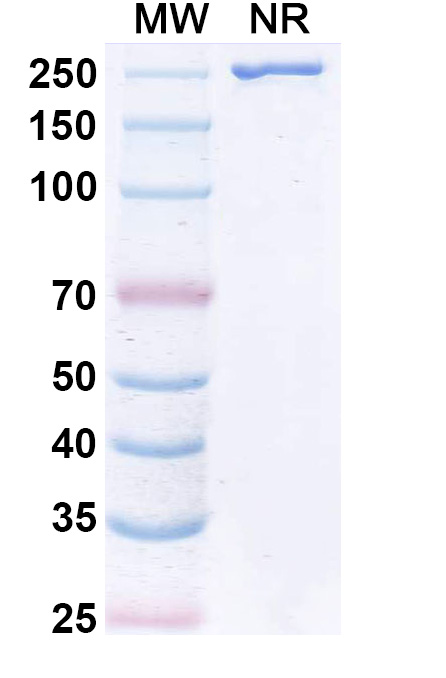
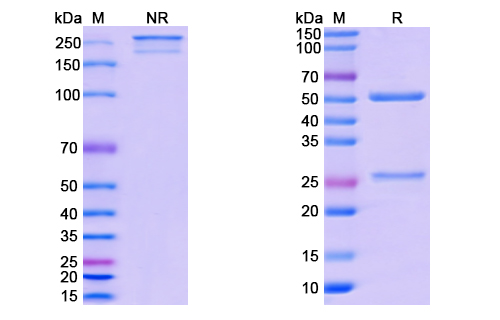
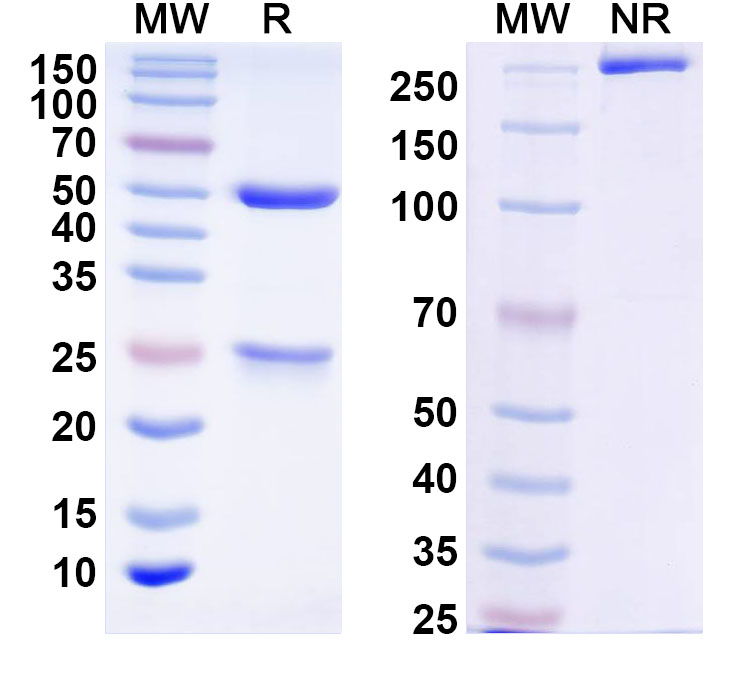
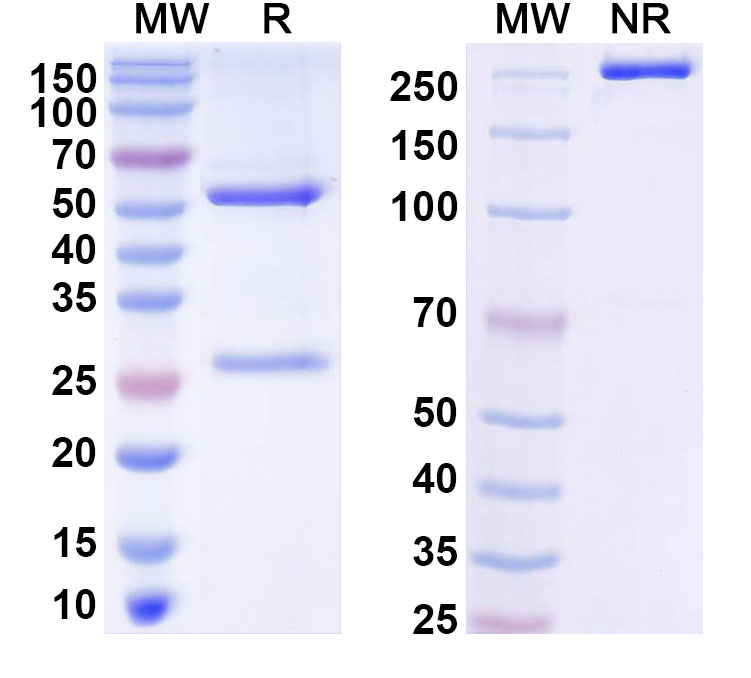
VAK-694 Biosimilar is a recombinant humanized IgG1 monoclonal antibody. It is composed of two identical heavy chains and two identical light chains, each containing a variable and constant region. The variable regions of the antibody are responsible for binding to the target protein, Binetrakin, while the constant regions are responsible for effector functions such as antibody-dependent cellular cytotoxicity (ADCC) and complement-dependent cytotoxicity (CDC).
Activity of VAK-694 Biosimilar
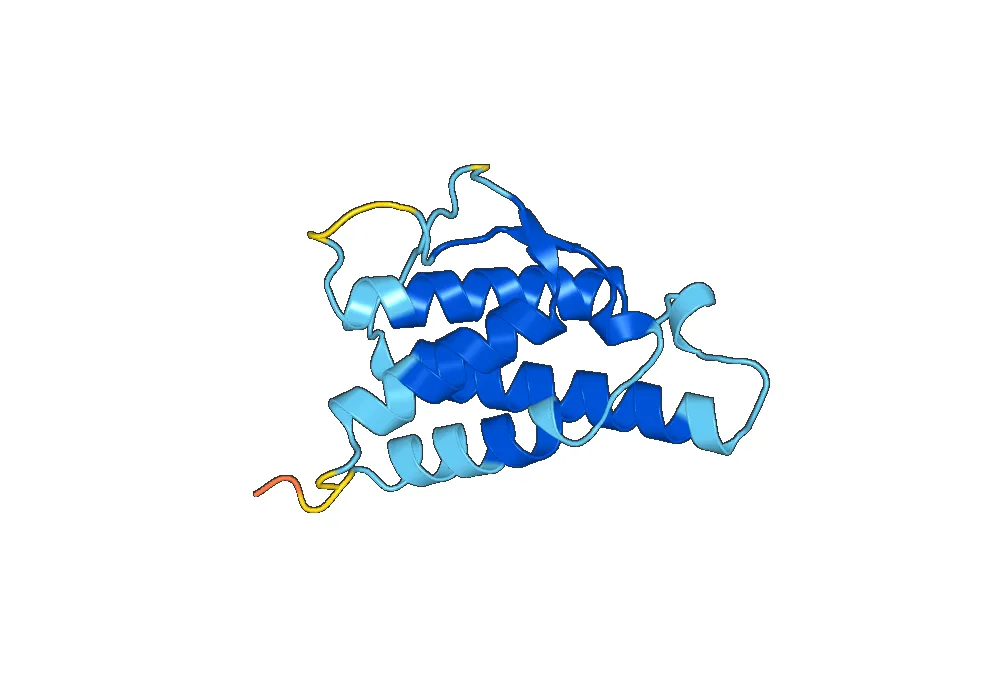
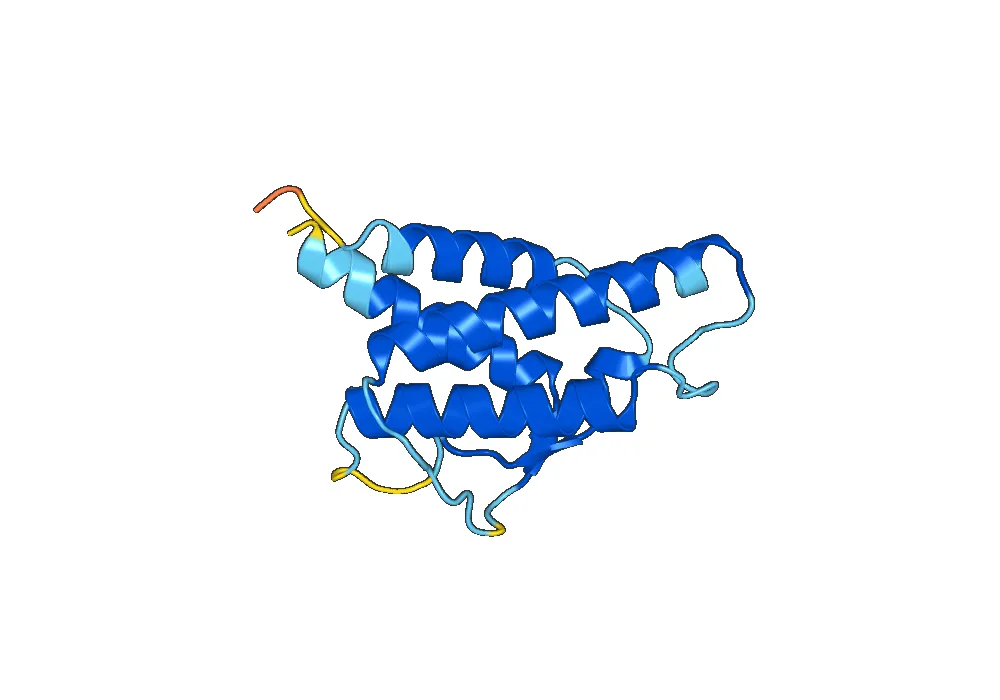
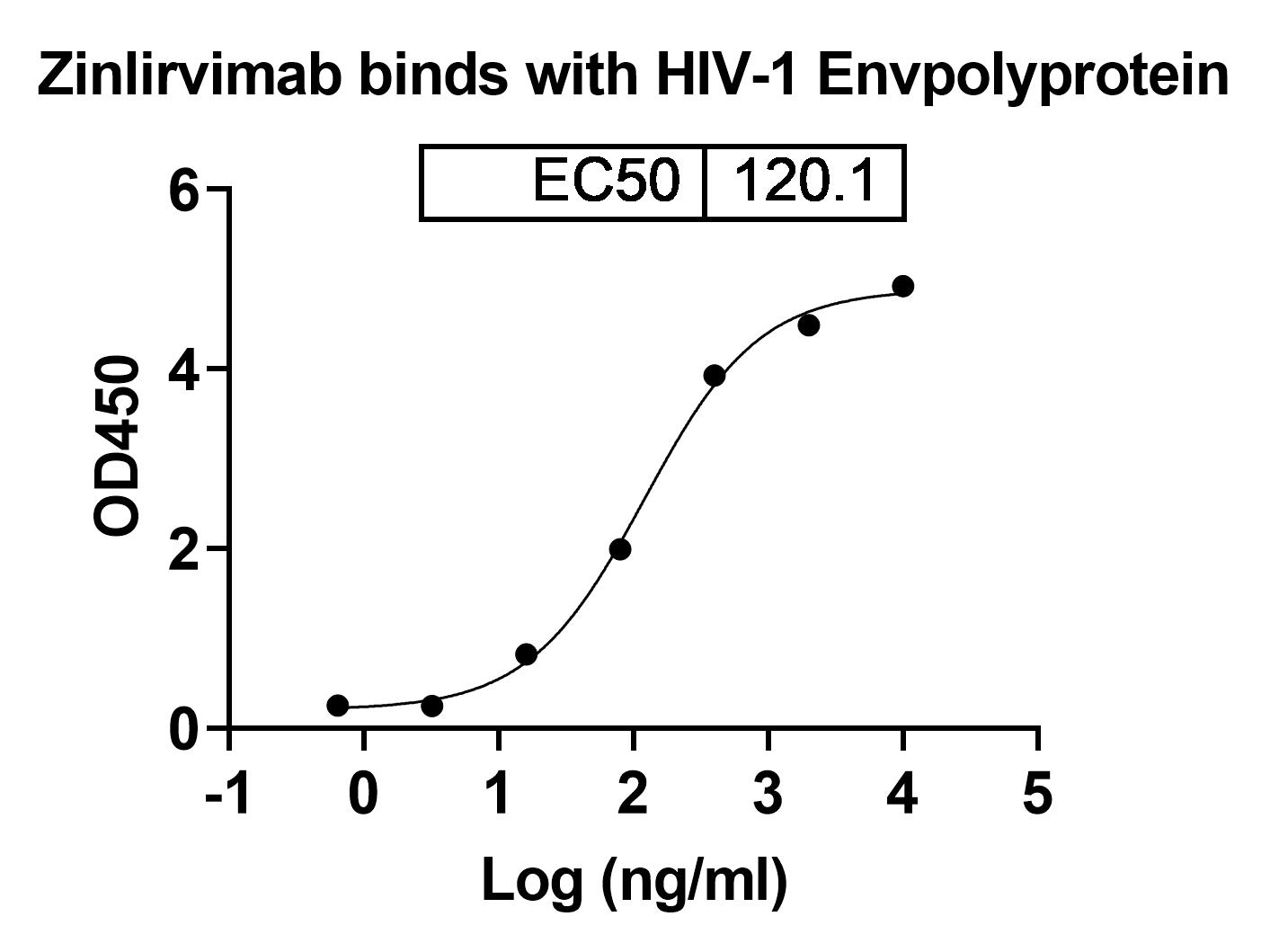
VAK-694 Biosimilar binds to Binetrakin with high affinity and specificity, preventing its interaction with its receptors and inhibiting its activity. Binetrakin is a cytokine that is involved in the regulation of immune responses, and its dysregulation has been linked to various autoimmune diseases and inflammatory disorders. By targeting Binetrakin, VAK-694 Biosimilar can modulate the immune response and potentially treat these diseases.
In pre-clinical studies, VAK-694 Biosimilar has shown potent inhibition of Binetrakin activity in vitro and in vivo. It has also demonstrated efficacy in animal models of autoimmune diseases such as rheumatoid arthritis and systemic lupus erythematosus. Additionally, VAK-694 Biosimilar has been shown to have a favorable safety profile, with no significant adverse effects observed in animal studies.
Potential Applications of VAK-694 Biosimilar
Based on its mechanism of action and pre-clinical data, VAK-694 Biosimilar has the potential to be used in the treatment of various autoimmune diseases and inflammatory disorders. These include but are not limited to rheumatoid arthritis, systemic lupus erythematosus, psoriasis, and inflammatory bowel disease. Additionally, VAK-694 Biosimilar may also have potential applications in the treatment of cancer, as Binetrakin has been shown to play a role in tumor growth and metastasis.
One of the main advantages of VAK-694 Biosimilar is its specificity for Binetrakin, which minimizes the risk of off-target effects and reduces the potential for adverse reactions. This makes it a promising therapeutic option for patients who may not respond well to traditional treatments or experience significant side effects.
Conclusion
In conclusion, VAK-694 Biosimilar is a recombinant humanized monoclonal antibody that targets the protein Binetrakin. It has shown potent inhibition of Binetrakin activity and has demonstrated efficacy in pre-clinical studies of autoimmune diseases and inflammatory disorders. With its high specificity and favorable safety profile, VAK-694 Biosimilar has the potential to be a valuable therapeutic option for patients in need of targeted treatment for these conditions. Further clinical studies are needed to fully evaluate its potential in the treatment of various diseases and to bring this biosimilar to the market.



There are no reviews yet.