Introduction:
Humanized DQB1-FL8 Biosimilar is a novel monoclonal antibody (mAb) that specifically targets the human leukocyte antigen-DQB1 (HLA-DQB1). This biosimilar is a recombinant version of the anti-HLA-DQB mAb, which has shown promising results in pre-clinical studies. In this article, we will discuss the structure, activity, and potential applications of Humanized DQB1-FL8 Biosimilar in the field of immunotherapy.
Structure:
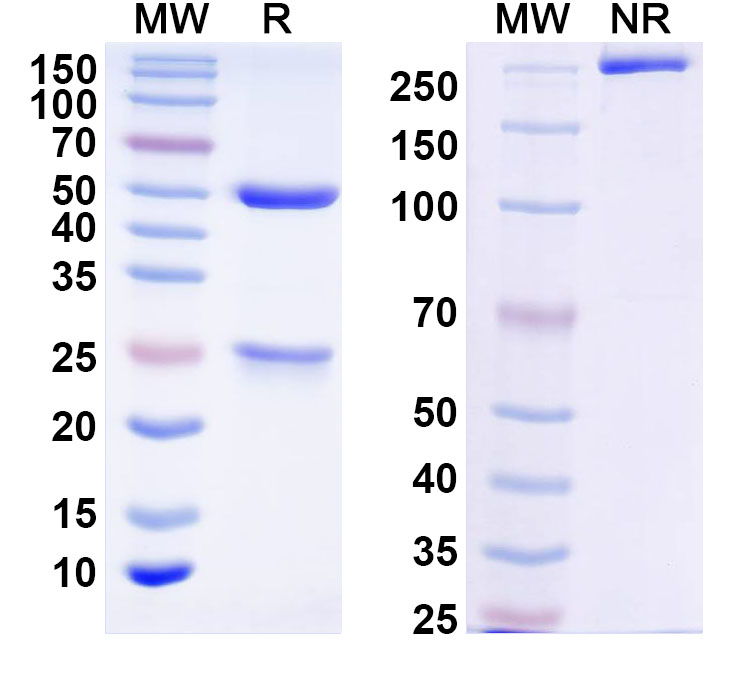
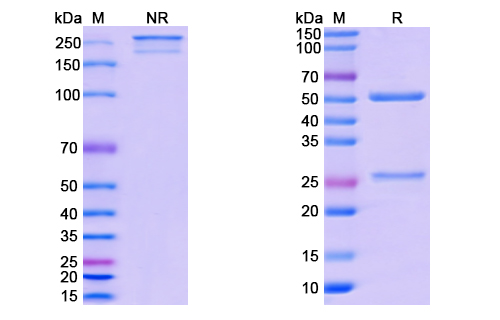
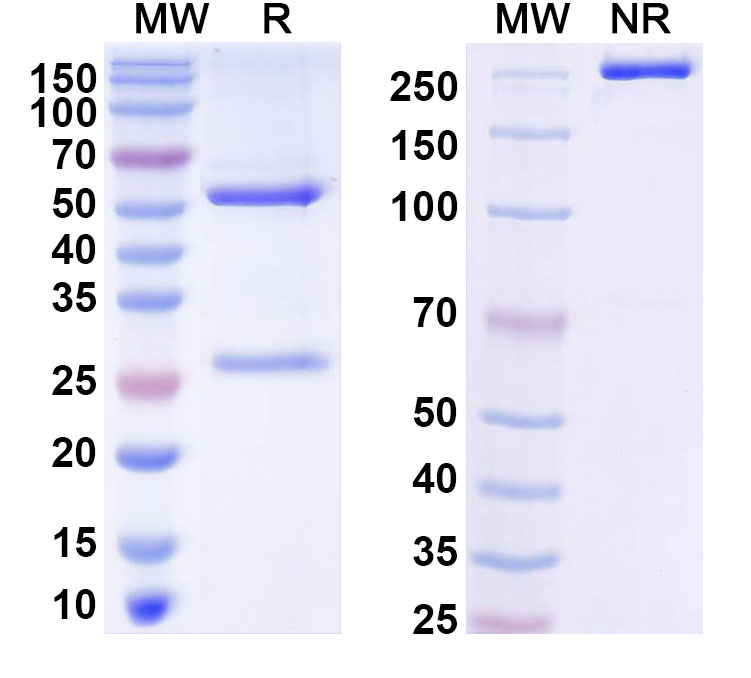
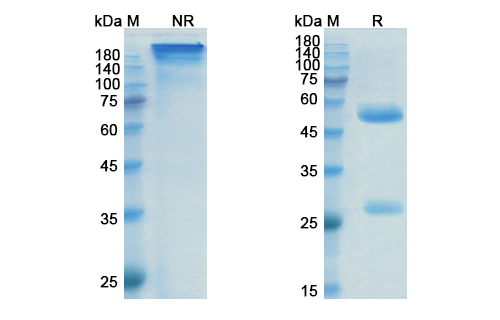
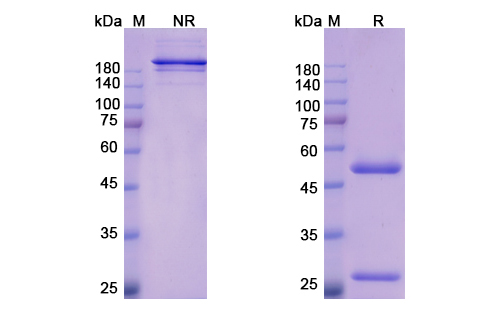
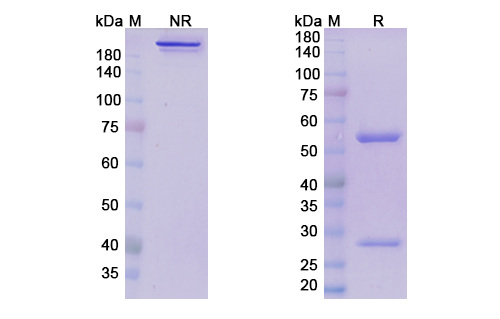
Humanized DQB1-FL8 Biosimilar is a humanized IgG1 monoclonal antibody, which means that it is derived from a mouse antibody but has been modified to have a human-like structure. This modification is important for reducing the risk of immunogenicity and increasing the efficacy of the antibody in humans. The antibody has a molecular weight of approximately 150 kDa and consists of two heavy chains and two light chains, connected by disulfide bonds. It also contains a variable region, which is responsible for binding to the HLA-DQB1 antigen.
Activity:
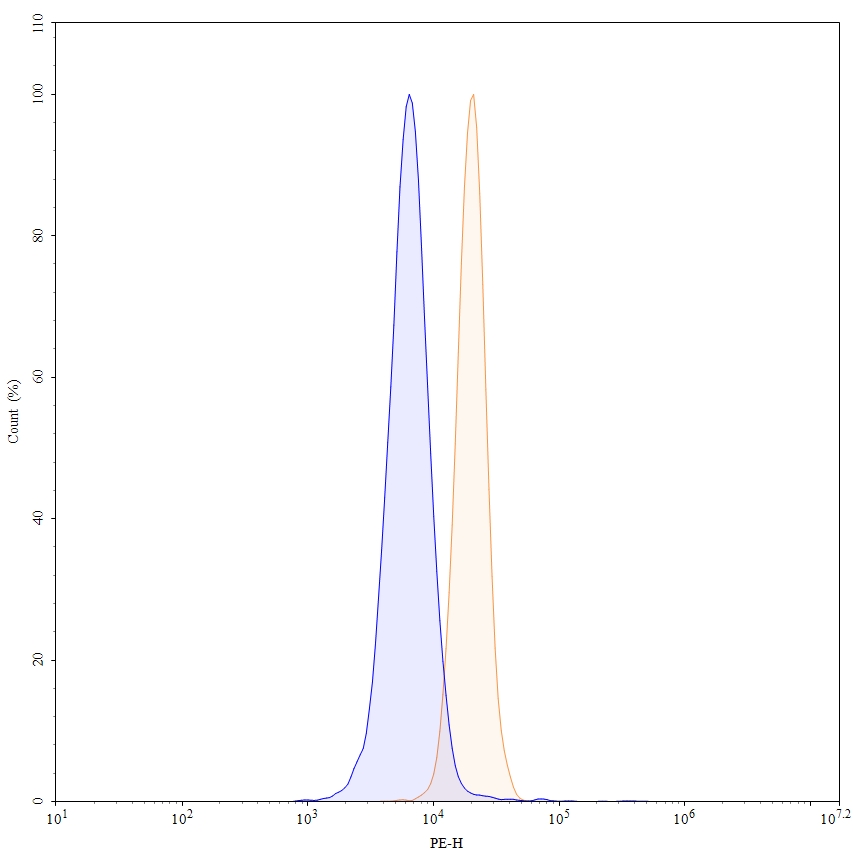
The main function of Humanized DQB1-FL8 Biosimilar is to specifically bind to the HLA-DQB1 antigen, which is a major histocompatibility complex (MHC) class II molecule. HLA-DQB1 is expressed on the surface of antigen-presenting cells, such as dendritic cells, macrophages, and B cells. This antigen is responsible for presenting foreign antigens to T cells, which then trigger an immune response. By binding to HLA-DQB1, Humanized DQB1-FL8 Biosimilar inhibits the interaction between the antigen-presenting cells and T cells, thereby suppressing the immune response.
Application:
Humanized DQB1-FL8 Biosimilar has potential therapeutic applications in various autoimmune diseases, such as rheumatoid arthritis, multiple sclerosis, and type 1 diabetes. In these conditions, the immune system mistakenly attacks the body’s own tissues, leading to chronic inflammation and tissue damage. By targeting HLA-DQB1, Humanized DQB1-FL8 Biosimilar can suppress the immune response and reduce inflammation, thus providing a potential treatment option for these diseases.
In addition, Humanized DQB1-FL8 Biosimilar can also be used in transplantation medicine. In organ transplantation, the immune system recognizes the transplanted organ as foreign and mounts an immune response, leading to rejection of the organ. By targeting HLA-DQB1, Humanized DQB1-FL8 Biosimilar can prevent the immune system from recognizing the transplanted organ as foreign, thus reducing the risk of rejection and improving the success rate of transplantation.
Research Grade:
Humanized DQB1-FL8 Biosimilar is currently in the pre-clinical stage of development and is being evaluated for its safety and efficacy in animal models. The biosimilar is produced using recombinant DNA technology, which allows for large-scale production and ensures consistent quality. The research grade of Humanized DQB1-FL8 Biosimilar is suitable for in vitro and in vivo studies to further understand its mechanism of action and potential therapeutic applications.
Conclusion:
Humanized DQB1-FL8 Biosimilar is a promising monoclonal antibody that targets the HLA-DQB1 antigen. Its humanized structure and specific binding to HLA-DQB1 make it a potential candidate for the treatment of autoimmune diseases and in transplantation medicine. The biosimilar is currently in the pre-clinical stage, and further studies are needed to determine its safety and efficacy in humans. With its potential to modulate the immune response, Humanized DQB1-FL8 Biosimilar has the potential to revolutionize the field of immunotherapy and improve the lives of patients with autoimmune diseases and organ transplantation.

There are no reviews yet.