Introduction
Humanized HLA-G-0104 Biosimilar, also known as Anti-HLA-G mAb, is a research grade antibody that has been developed to target the human leukocyte antigen-G (HLA-G) protein. This biosimilar is a promising therapeutic option for various diseases due to its unique structure, activity, and potential applications.
Structure
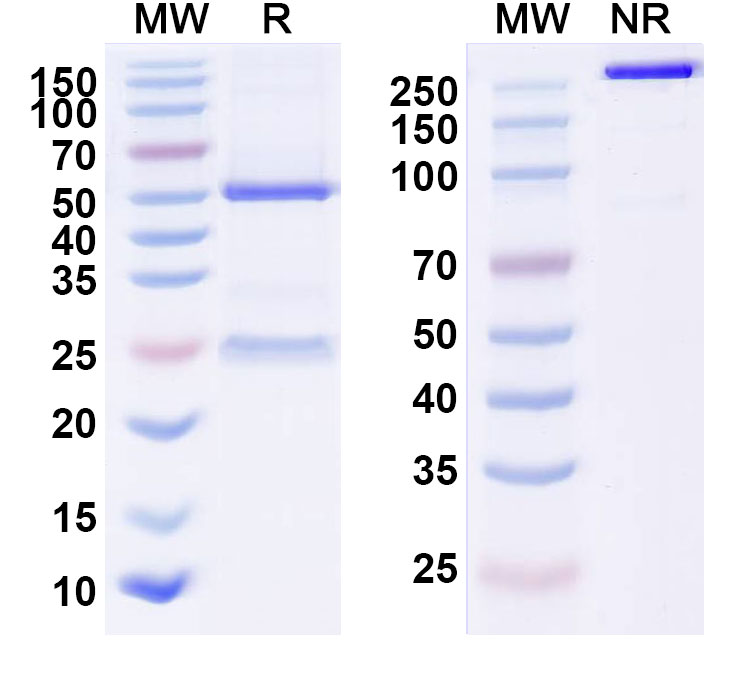
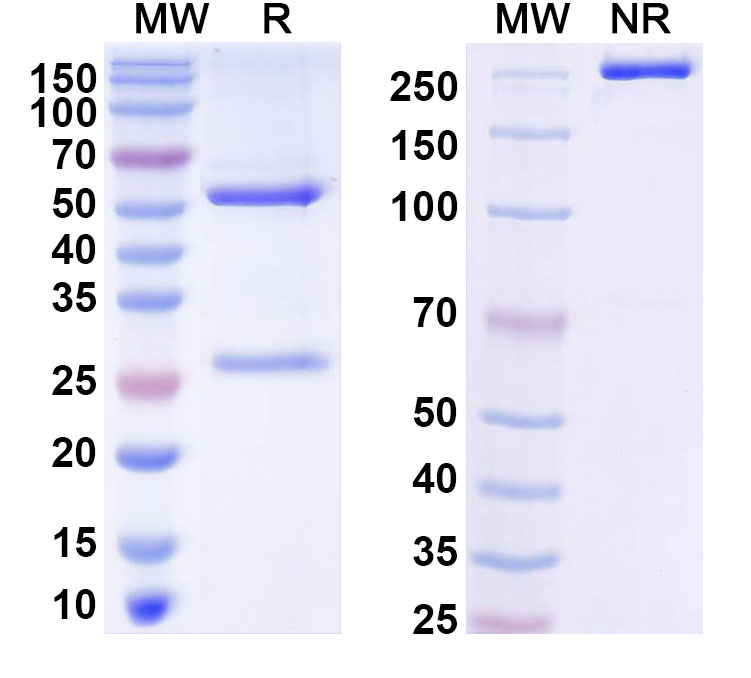
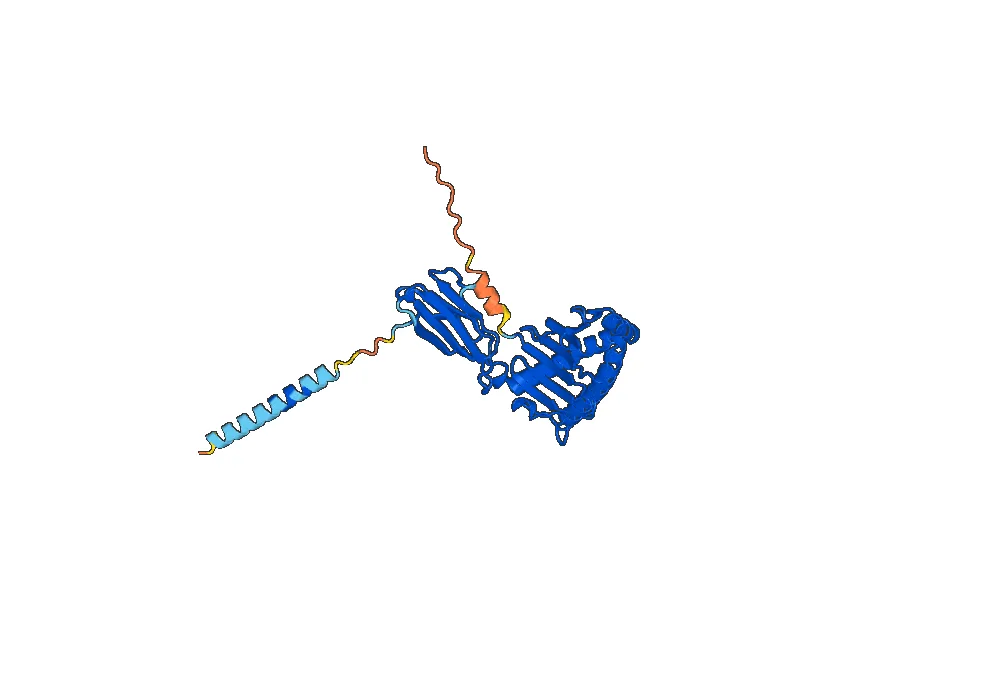
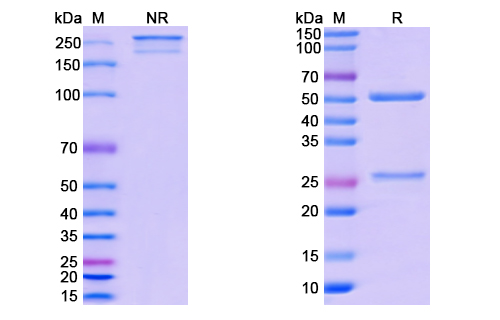
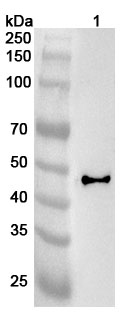
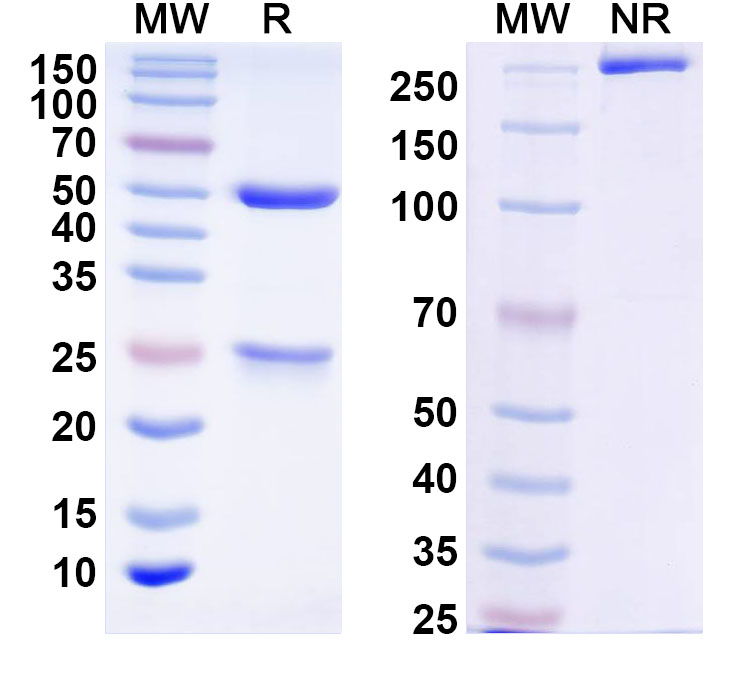
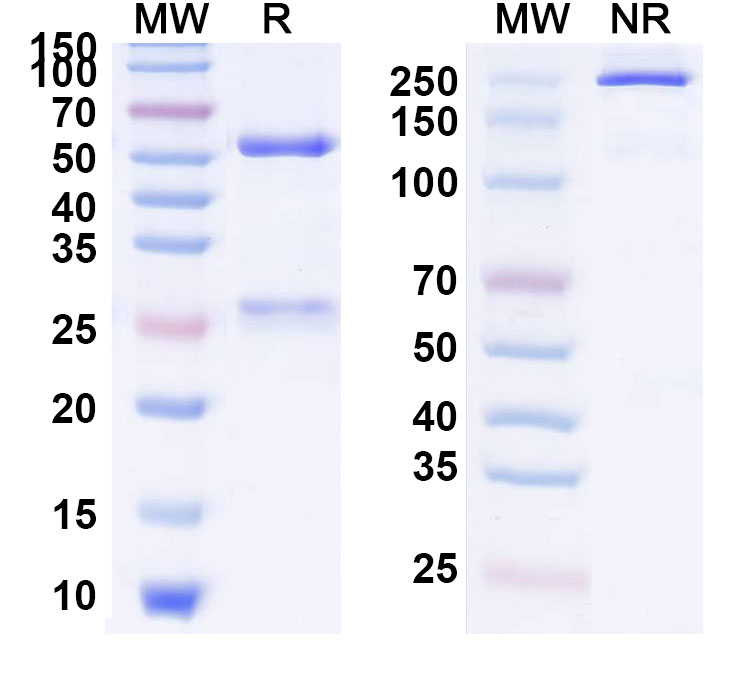
The HLA-G protein is a non-classical major histocompatibility complex (MHC) class I molecule that is primarily expressed on the surface of immune cells and plays a crucial role in immune tolerance. The Humanized HLA-G-0104 Biosimilar is a monoclonal antibody (mAb) that has been engineered to mimic the binding site of the natural HLA-G protein and has a similar structure to other humanized antibodies. It consists of two heavy chains and two light chains, each with a variable region that specifically recognizes and binds to the HLA-G protein.
Activity
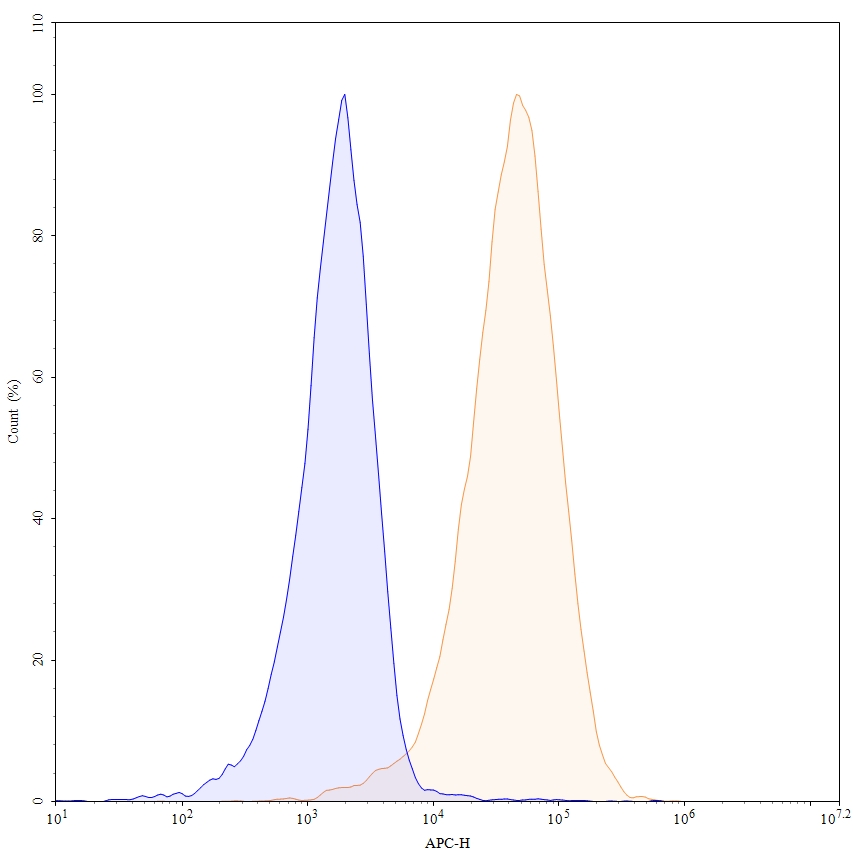
The main function of Humanized HLA-G-0104 Biosimilar is to block the interaction between HLA-G and its receptors, thereby inhibiting the immune response. HLA-G is known to interact with various immune cells, including T cells, B cells, and natural killer cells, and its overexpression has been linked to immune escape in cancer cells. By targeting HLA-G, this biosimilar can modulate the immune response and potentially enhance the body’s ability to fight against cancer and other diseases.
Application in Cancer
One of the most promising applications of Humanized HLA-G-0104 Biosimilar is in cancer treatment. Studies have shown that HLA-G is overexpressed in various types of cancer, and its interaction with immune cells can promote tumor growth and metastasis. By targeting HLA-G, this biosimilar can potentially inhibit these processes and improve the response to cancer therapy. Furthermore, it has been shown to enhance the cytotoxicity of natural killer cells against cancer cells, making it a potential adjuvant therapy for cancer treatment.
Application in Transplantation
Another potential application of Humanized HLA-G-0104 Biosimilar is in organ transplantation. HLA-G is known to play a crucial role in immune tolerance and is expressed on the surface of donor organs. By targeting HLA-G, this biosimilar can potentially improve the success rate of organ transplantation by preventing rejection and reducing the need for immunosuppressive drugs. Additionally, it has been shown to have a protective effect on transplanted organs by reducing inflammation and promoting tissue repair.
Application in Autoimmune Diseases
HLA-G has also been implicated in various autoimmune diseases, such as rheumatoid arthritis and multiple sclerosis. By targeting HLA-G, Humanized HLA-G-0104 Biosimilar can potentially modulate the immune response and reduce inflammation, thereby providing a novel treatment option for these diseases. Furthermore, it has been shown to have a synergistic effect when combined with other immunomodulatory drugs, making it a promising candidate for combination therapy in autoimmune diseases.
Conclusion
In summary, Humanized HLA-G-0104 Biosimilar is a research grade antibody that has been designed to target the HLA-G protein and modulate the immune response. Its unique structure and activity make it a promising therapeutic option for various diseases, including cancer, transplantation, and autoimmune diseases. Further research and clinical trials are needed to fully explore the potential of this biosimilar, but it has the potential to significantly improve patient outcomes and provide a new approach to treating these diseases.
There are no reviews yet.