The Structure and Function of Umesolerbart Biosimilar – Anti-BETVIA mAb – Research Grade The
Structure of Umesolerbart Biosimilar
Umesolerbart Biosimilar is a monoclonal antibody (mAb) that has been developed as a biosimilar to the therapeutic antibody BETVIA. It is a research grade antibody that has been designed to target and bind to BETVIA, a protein that is involved in various inflammatory and autoimmune diseases.
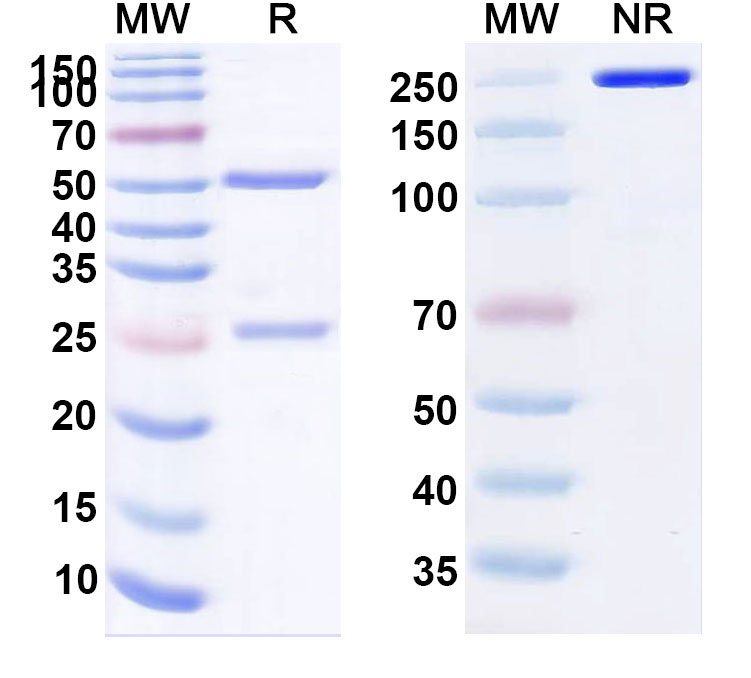
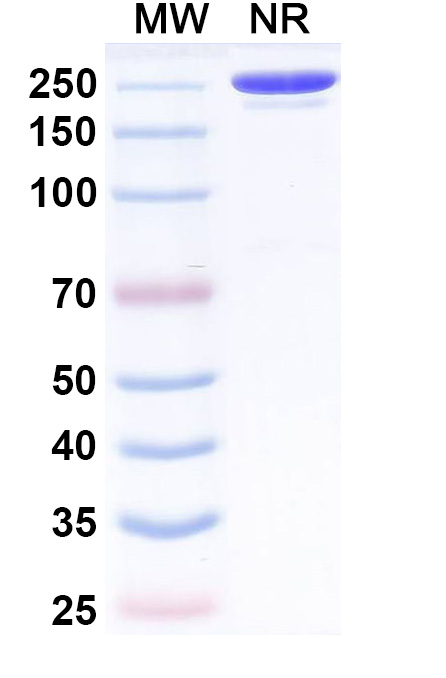
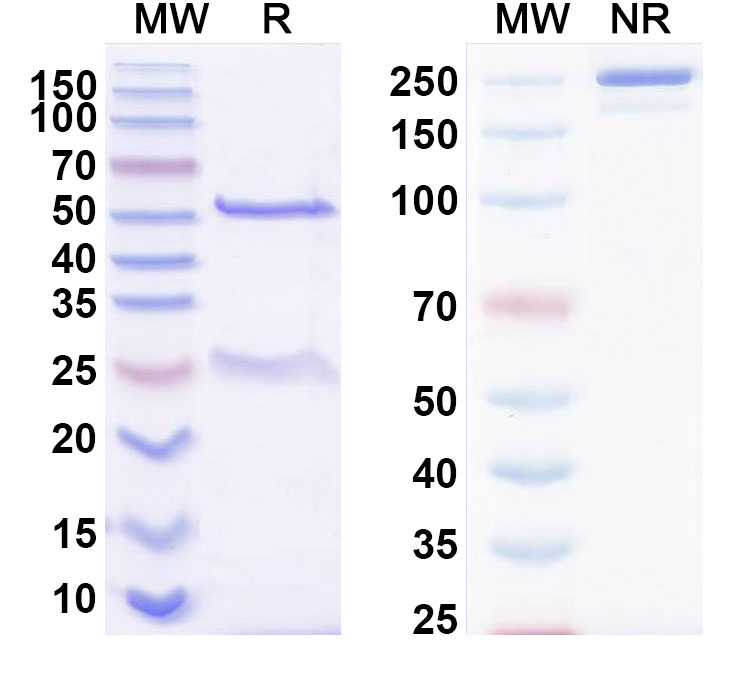
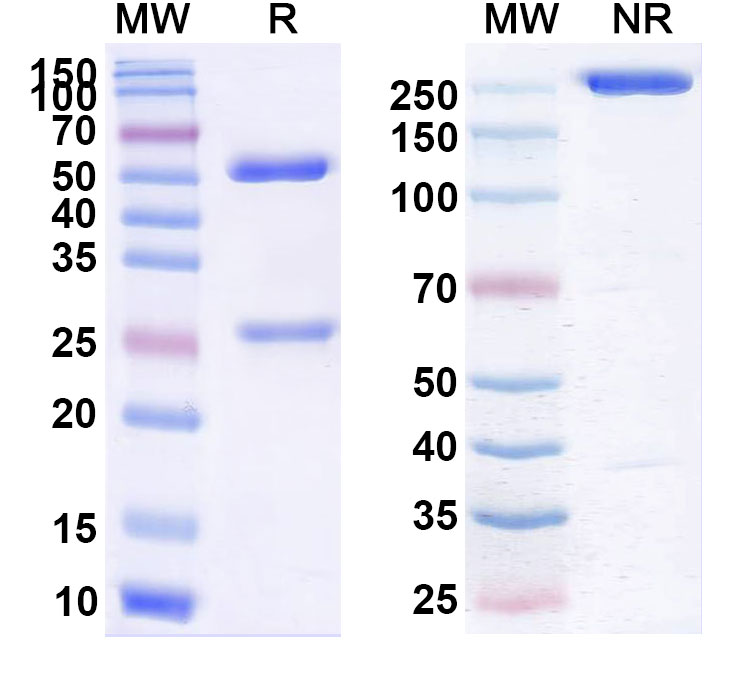
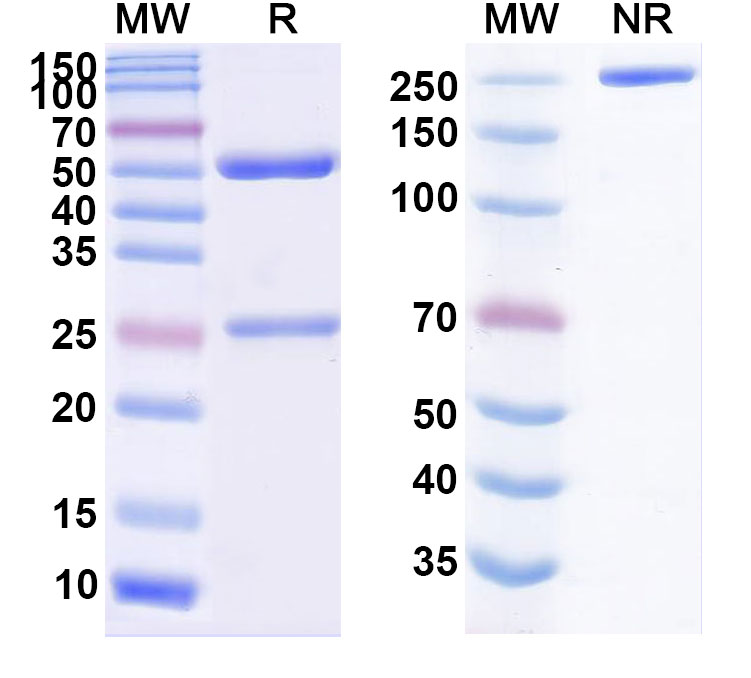
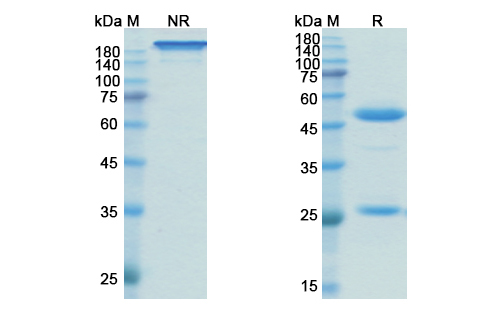
The structure of Umesolerbart Biosimilar is similar to that of BETVIA, as it is a monoclonal antibody that is composed of two heavy chains and two light chains. These chains are connected by disulfide bonds and form a Y-shaped structure. The variable regions of the antibody, which are responsible for binding to BETVIA, are located at the tips of the Y-shaped structure.
The Activity of Umesolerbart Biosimilar
Umesolerbart Biosimilar has been specifically designed to bind to BETVIA with high affinity and specificity. This means that it has a strong and specific interaction with BETVIA, which allows it to effectively inhibit its activity.
BETVIA is a cytokine that plays a crucial role in the regulation of immune responses. It has been implicated in the development of various inflammatory and autoimmune diseases, such as rheumatoid arthritis, psoriasis, and multiple sclerosis. By targeting and binding to BETVIA, Umesolerbart Biosimilar is able to block its activity and prevent it from causing inflammation and damage in the body.
The Application of Umesolerbart Biosimilar
Umesolerbart Biosimilar has a wide range of potential applications in the field of immunology and therapeutics. Its ability to specifically target and inhibit BETVIA makes it a promising candidate for the treatment of various inflammatory and autoimmune diseases.
In pre-clinical studies, Umesolerbart Biosimilar has shown promising results in reducing inflammation and disease progression in animal models of rheumatoid arthritis and psoriasis. It has also been shown to be effective in suppressing the immune response in models of multiple sclerosis.
Furthermore, Umesolerbart Biosimilar has the potential to be used in combination with other therapies to enhance their effectiveness. For example, it could be used in combination with traditional disease-modifying antirheumatic drugs (DMARDs) in the treatment of rheumatoid arthritis.
Conclusion
In summary, Umesolerbart Biosimilar is a research grade monoclonal antibody that has been developed as a biosimilar to the therapeutic antibody BETVIA. Its structure is similar to BETVIA, and it has been designed to specifically target and bind to BETVIA with high affinity and specificity. Its potential applications in the treatment of inflammatory and autoimmune diseases make it a promising candidate for further research and development.

There are no reviews yet.