Introduction to Tucotuzumab Biosimilar – Anti-EPCAM, CD326 mAb
Tucotuzumab Biosimilar is a monoclonal antibody (mAb) that targets the epithelial cell adhesion molecule (EPCAM), also known as CD326. This biosimilar is a research grade version of the original Tucotuzumab, which is a therapeutic antibody used in the treatment of various cancers.
Structure of Tucotuzumab Biosimilar
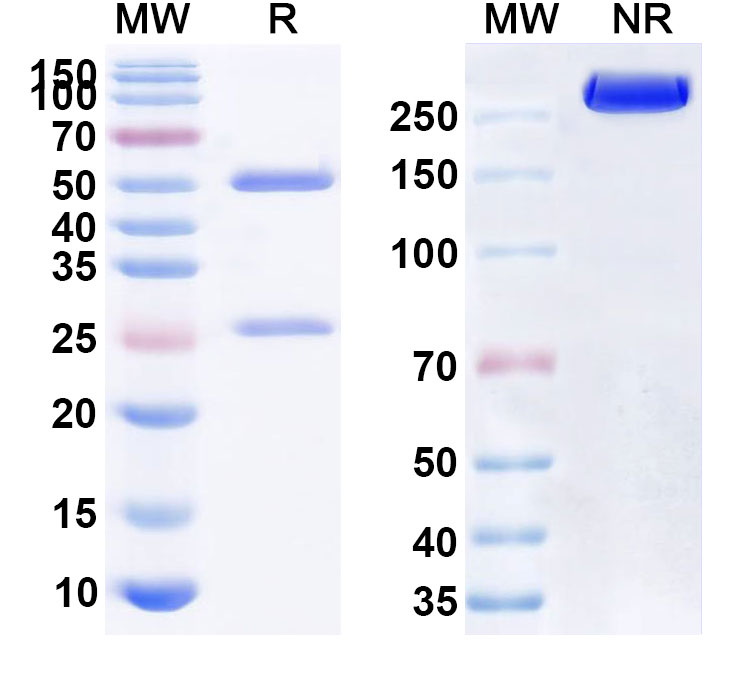
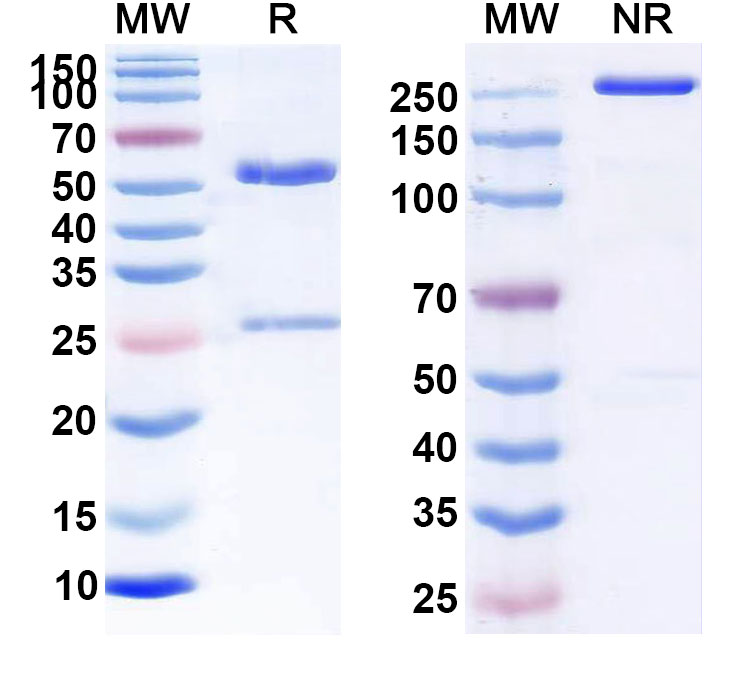
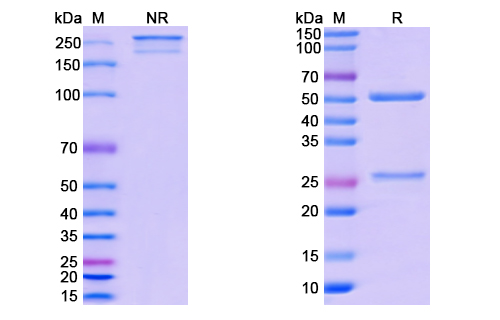
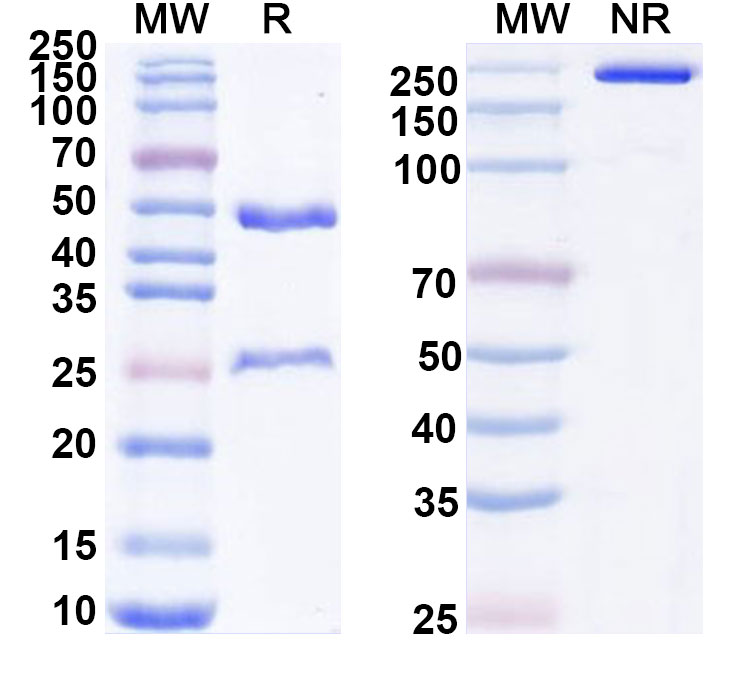
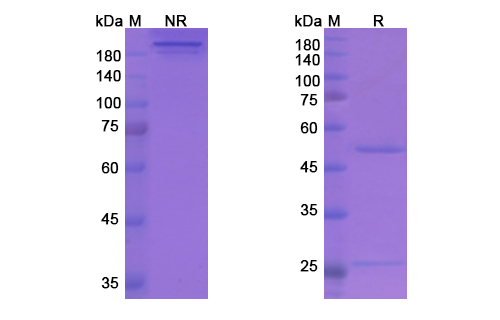
Tucotuzumab Biosimilar is a chimeric antibody, meaning it is composed of both human and mouse components. It is made up of two heavy chains and two light chains, each with a specific amino acid sequence. The heavy chains are responsible for the binding to the target, while the light chains play a role in the stability and effector functions of the antibody.
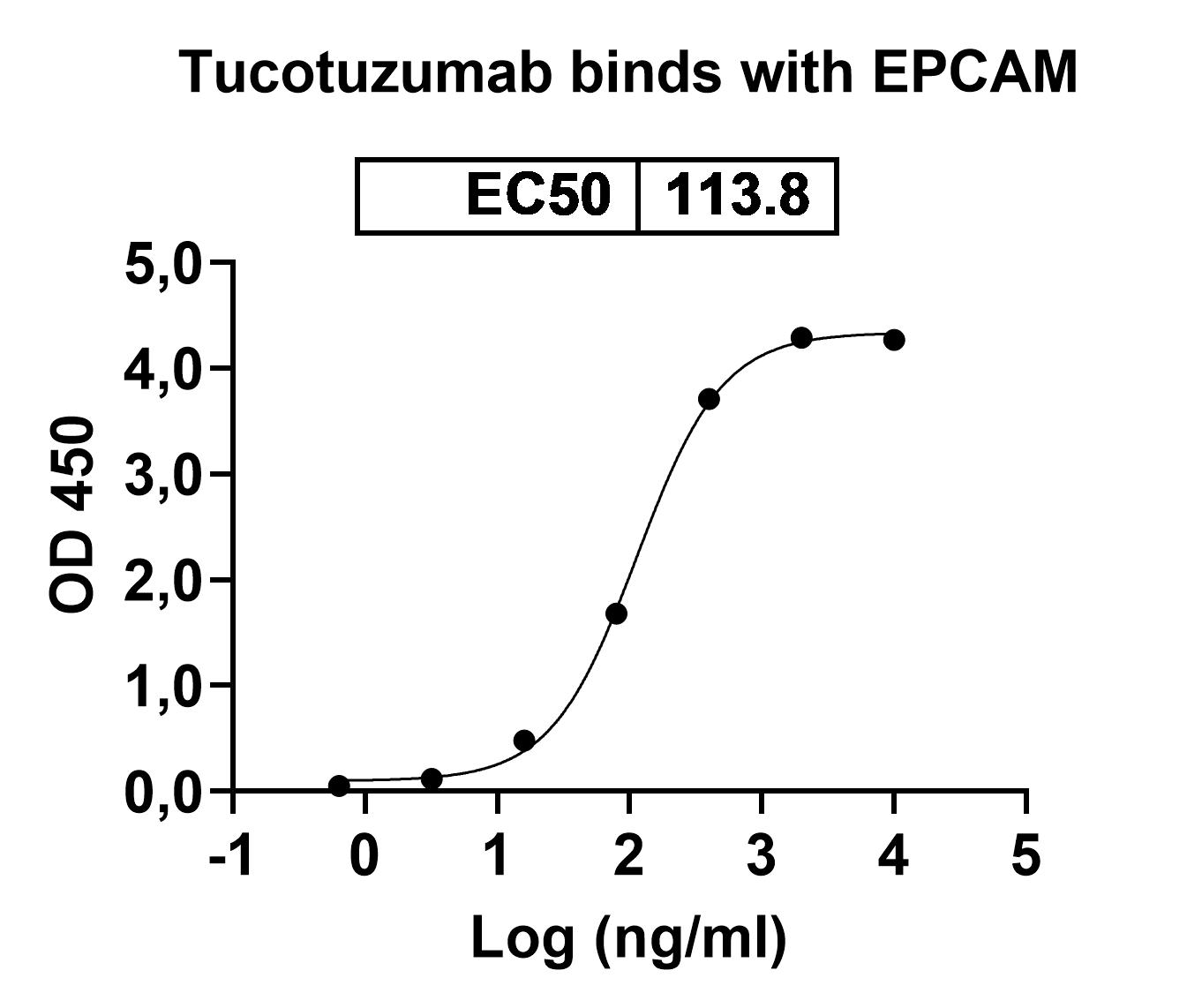
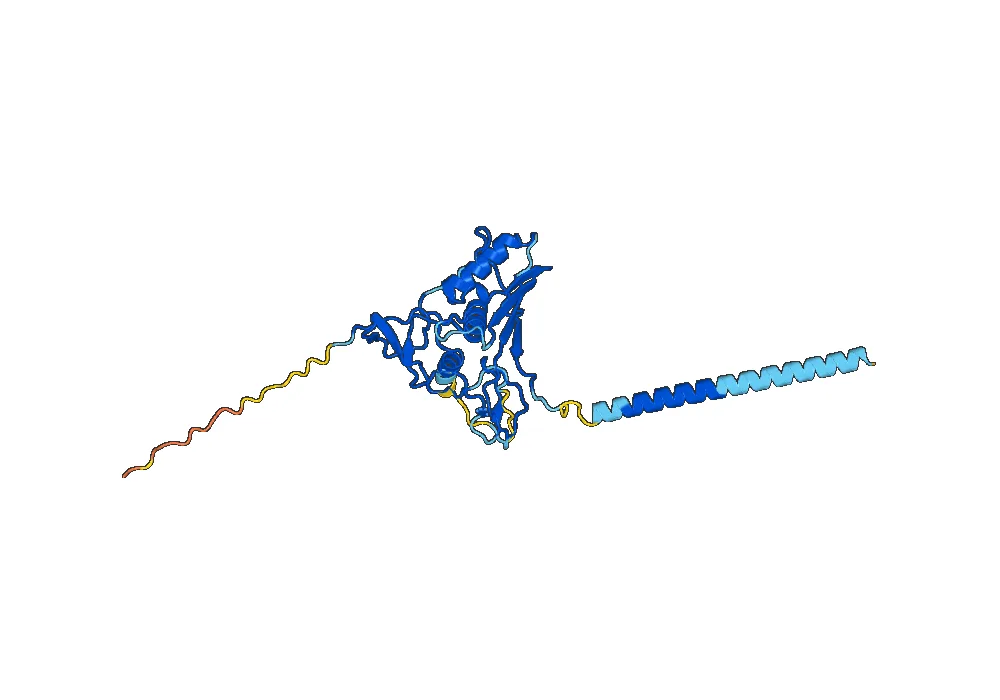
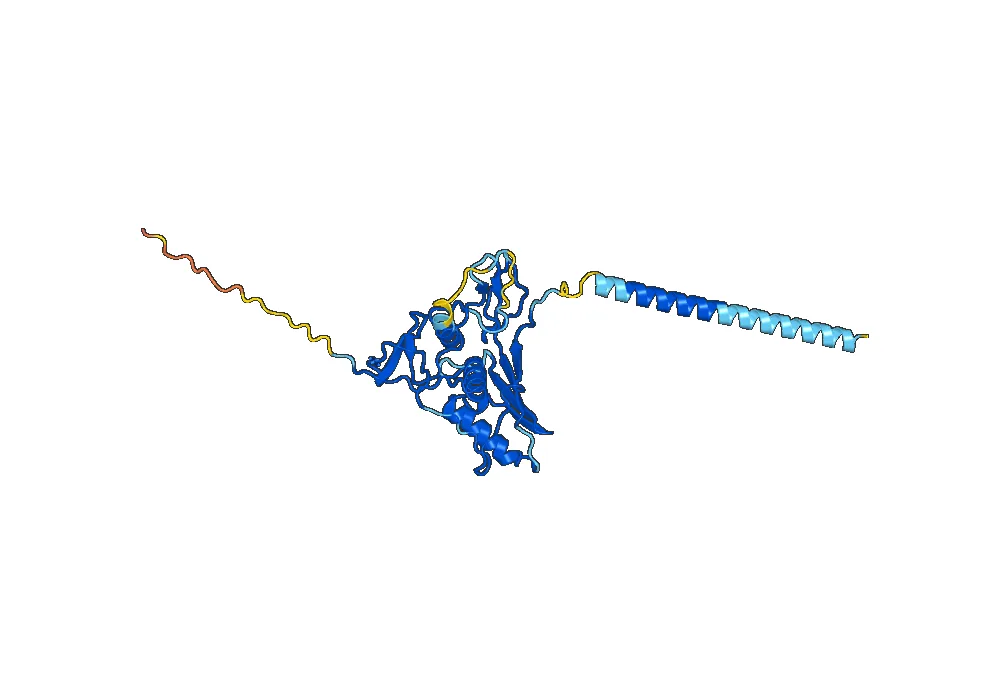
The antibody has a Y-shaped structure, with two antigen binding sites located at the tips of the Y. These binding sites are specific for the EPCAM protein, allowing Tucotuzumab Biosimilar to specifically target and bind to this protein.
Mechanism of Action
Tucotuzumab Biosimilar works by binding to the EPCAM protein on the surface of cancer cells. This binding triggers a series of events that ultimately leads to the destruction of the cancer cells.
Firstly, the binding of Tucotuzumab Biosimilar to EPCAM causes the activation of immune cells, such as natural killer cells and macrophages, which can directly kill cancer cells. Additionally, the binding of the antibody to EPCAM also blocks the signaling pathways that promote cell growth and survival, effectively inhibiting the growth and spread of cancer cells.
Applications of Tucotuzumab Biosimilar
Tucotuzumab Biosimilar has been extensively studied in preclinical and clinical trials for its potential use in cancer treatment. It has shown promising results in the treatment of various types of cancers, including colorectal, pancreatic, and breast cancer.
As a research grade antibody, Tucotuzumab Biosimilar is primarily used in laboratory settings to study the role of EPCAM in cancer and to develop potential therapies targeting this protein. It can also be used in diagnostic tests to detect the presence of EPCAM in cancer cells.
Advantages of Tucotuzumab Biosimilar
Compared to the original Tucotuzumab, the biosimilar version offers several advantages. Firstly, it is more cost-effective, making it more accessible for research purposes. Additionally, the biosimilar has a higher affinity for EPCAM, meaning it can bind more tightly to the target and potentially have a stronger therapeutic effect.
Furthermore, Tucotuzumab Biosimilar has shown a favorable safety profile in clinical trials, with minimal side effects reported. This makes it a promising candidate for further development as a cancer therapy.
Conclusion
Tucotuzumab Biosimilar is a chimeric monoclonal antibody that specifically targets the EPCAM protein on cancer cells. Its unique structure and mechanism of action make it a promising candidate for cancer treatment. As a research grade antibody, it has numerous applications in studying the role of EPCAM in cancer and developing potential therapies. With its advantages over the original Tucotuzumab, this biosimilar has the potential to make a significant impact in the field of cancer research and treatment.
Keywords: antibody, therapeutic target, Tucotuzumab Biosimilar, EPCAM, CD326, monoclonal antibody, structure, mechanism of action, applications, advantages

There are no reviews yet.