Introduction to Etaracizumab Biosimilar
Etaracizumab Biosimilar, also known as Anti-ITGAV_ITGB3 mAb, is a research grade antibody that has been developed as a biosimilar to the commercially available drug, Abciximab. It is a monoclonal antibody that specifically targets the integrin receptor complex, composed of the ITGAV and ITGB3 subunits. This biosimilar has been designed to mimic the structure and function of Abciximab, making it a potential alternative for the treatment of conditions where Abciximab is currently used.
Structure of Etaracizumab Biosimilar
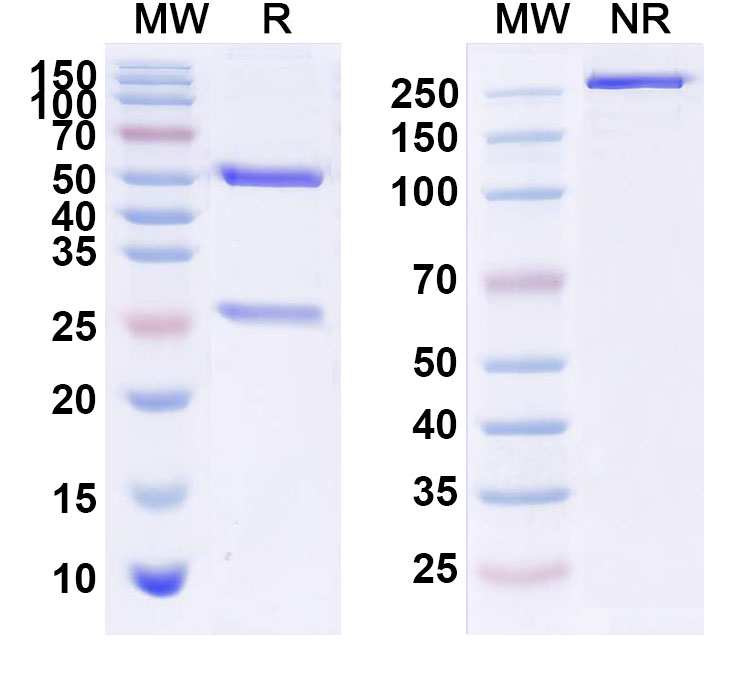
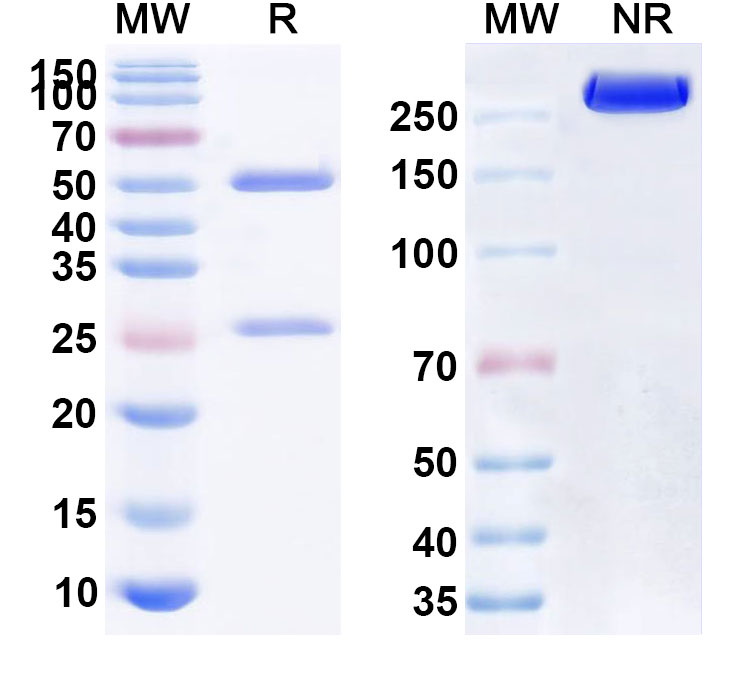
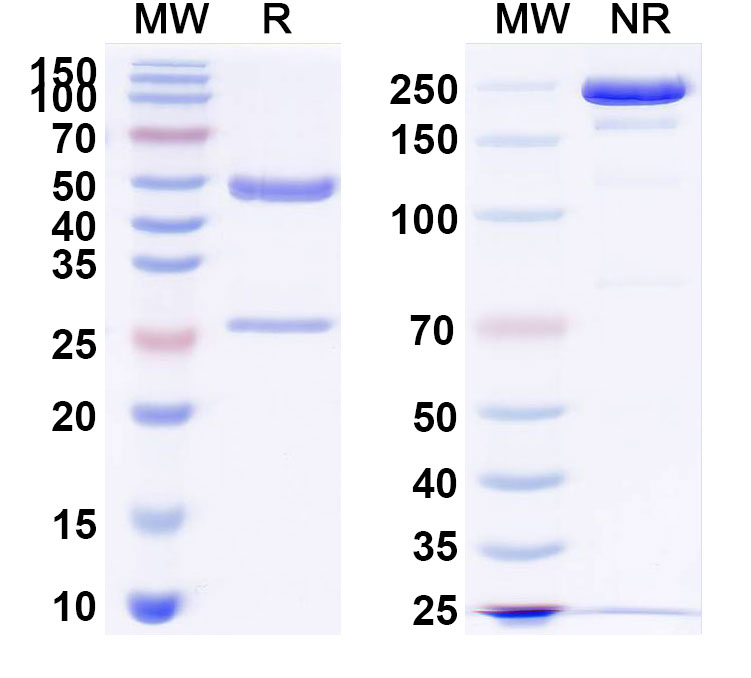
Etaracizumab Biosimilar is a recombinant humanized monoclonal antibody, meaning it is produced using genetic engineering techniques in a laboratory setting. It is composed of two heavy chains and two light chains, each of which is made up of variable and constant regions. The variable regions are responsible for binding to the target protein, while the constant regions provide stability and effector functions.
The structure of Etaracizumab Biosimilar is highly similar to that of Abciximab, with the exception of a few amino acid substitutions. This is important as it allows the biosimilar to maintain its specificity and activity towards its target, while also minimizing the risk of immunogenicity.
Mechanism of Action
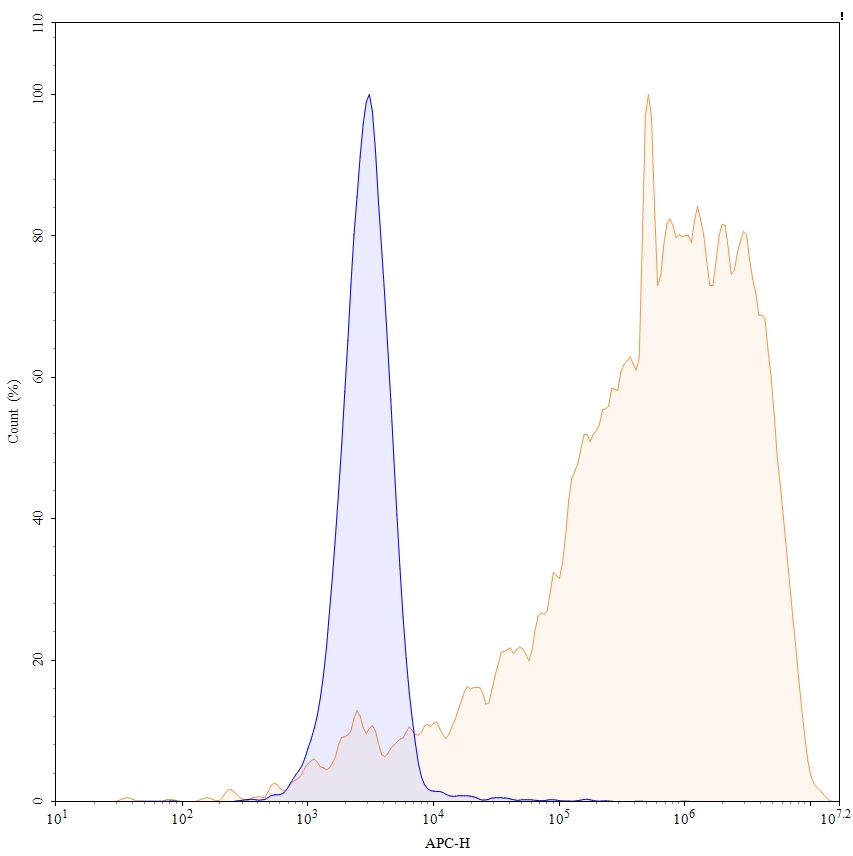
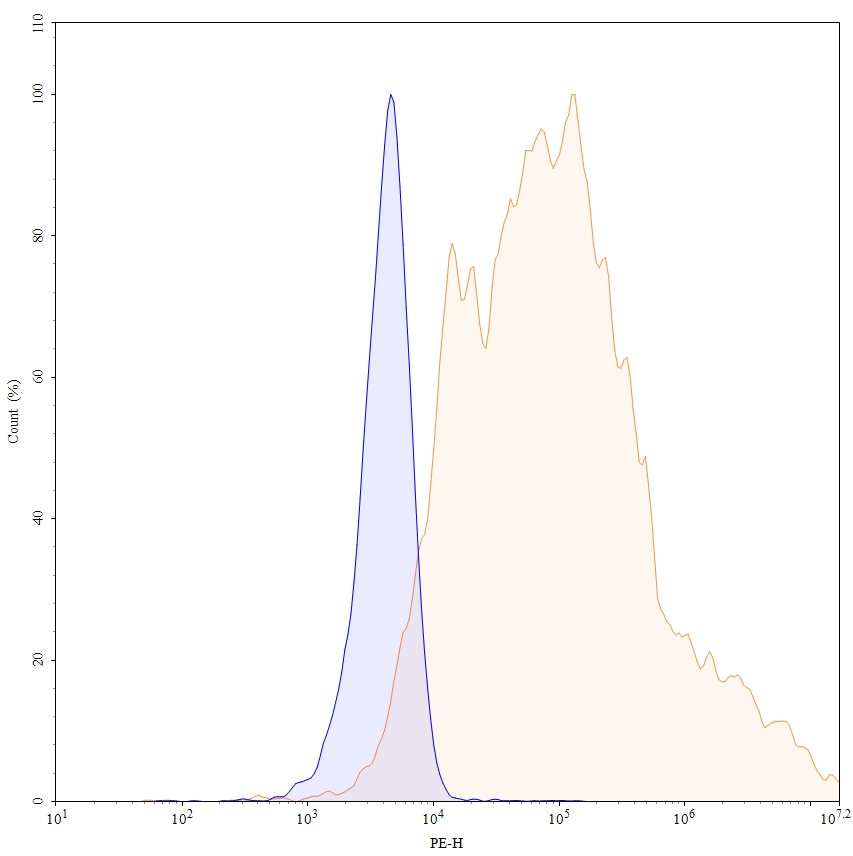
Etaracizumab Biosimilar works by binding to the ITGAV_ITGB3 integrin receptor complex on the surface of cells. This receptor complex is involved in cell adhesion and signaling, making it an attractive therapeutic target for a variety of diseases. By binding to this complex, Etaracizumab Biosimilar inhibits its activity, leading to a decrease in cell adhesion and signaling.
One of the key mechanisms of action of Etaracizumab Biosimilar is its ability to block platelet aggregation. This is particularly important in the treatment of conditions such as acute coronary syndrome, where platelet aggregation can lead to the formation of blood clots and potentially life-threatening complications.
Applications of Etaracizumab Biosimilar
Etaracizumab Biosimilar has a wide range of potential applications due to its ability to target the ITGAV_ITGB3 integrin receptor complex. Some of the conditions where this biosimilar may be used include:
- Acute coronary syndrome: Etaracizumab Biosimilar can be used as an alternative to Abciximab in the treatment of patients with acute coronary syndrome, including unstable angina and myocardial infarction.
- Ischemic stroke: By inhibiting platelet aggregation, Etaracizumab Biosimilar may also be effective in the treatment of ischemic stroke, where blood clots can block blood flow to the brain.
- Angioplasty: Etaracizumab Biosimilar has shown promise in reducing the risk of restenosis (re-narrowing of blood vessels) after angioplasty, a common procedure used to open blocked arteries.
- Cancer: The ITGAV_ITGB3 integrin receptor complex is known to play a role in cancer cell adhesion and migration. Etaracizumab Biosimilar may therefore have potential as a treatment for certain types of cancer, either alone or in combination with other therapies.
Conclusion
In summary, Etaracizumab Biosimilar is a research grade monoclonal antibody that specifically targets the ITGAV_ITGB3 integrin receptor complex. It has a similar structure and mechanism of action to the commercially available drug, Abciximab, and has potential applications in the treatment of a variety of conditions, including acute coronary syndrome, stroke, and cancer. Further research and clinical trials are needed to fully evaluate the efficacy and safety of this biosimilar, but it holds promise as a potential alternative to existing therapies.


There are no reviews yet.