Introduction
Tralokinumab Biosimilar, also known as Anti-IL13 mAb, is a monoclonal antibody (mAb) that has been developed as a potential therapeutic option for various inflammatory diseases. This biosimilar is a research grade version of the original tralokinumab, which is a fully humanized anti-IL13 mAb developed by AstraZeneca.
Structure of Tralokinumab Biosimilar
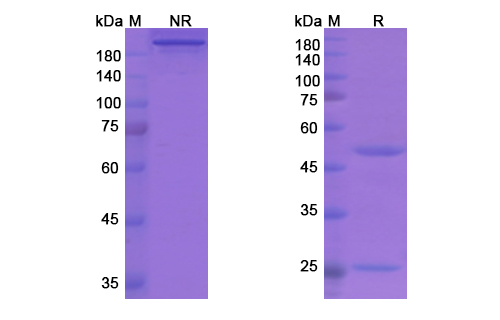
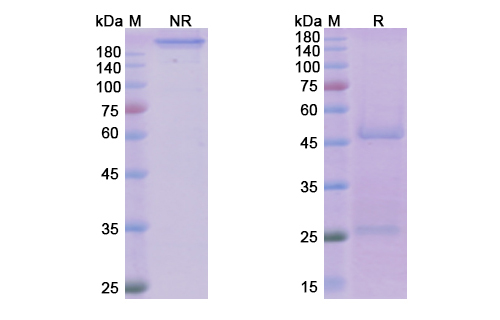
Tralokinumab Biosimilar is a recombinant, fully humanized IgG4 monoclonal antibody. It is composed of two identical heavy chains and two identical light chains, each containing a variable region and a constant region. The variable region of tralokinumab binds specifically to interleukin-13 (IL-13), a cytokine that is involved in the pathogenesis of various inflammatory diseases.
Activity of Tralokinumab Biosimilar
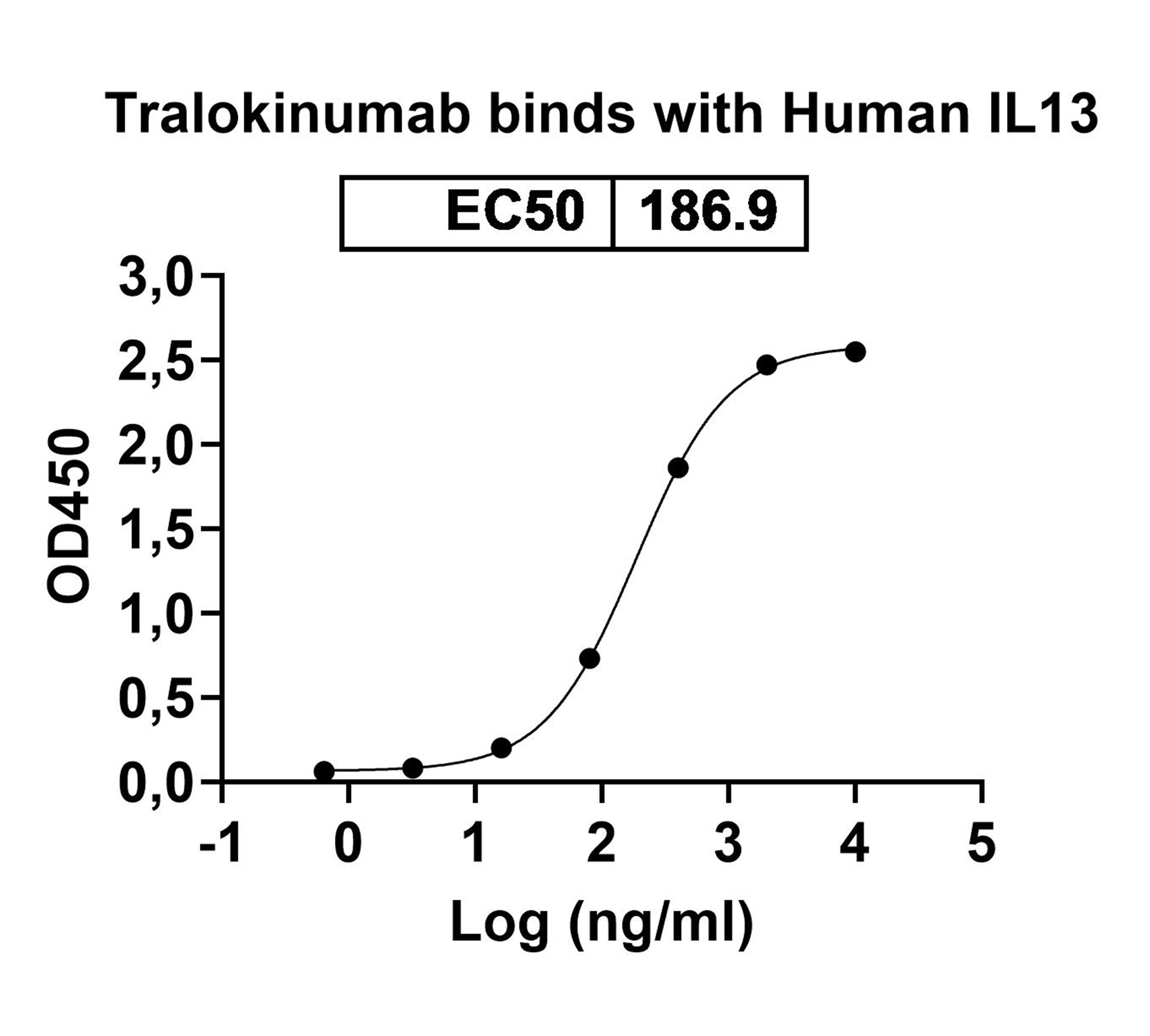
Tralokinumab Biosimilar works by binding to IL-13 and blocking its interaction with its receptor, IL-13Rα1. This prevents IL-13 from exerting its pro-inflammatory effects, which include promoting airway inflammation, mucus production, and tissue fibrosis. By inhibiting IL-13, tralokinumab biosimilar helps to reduce the symptoms of inflammatory diseases and improve patient outcomes.
Therapeutic Target
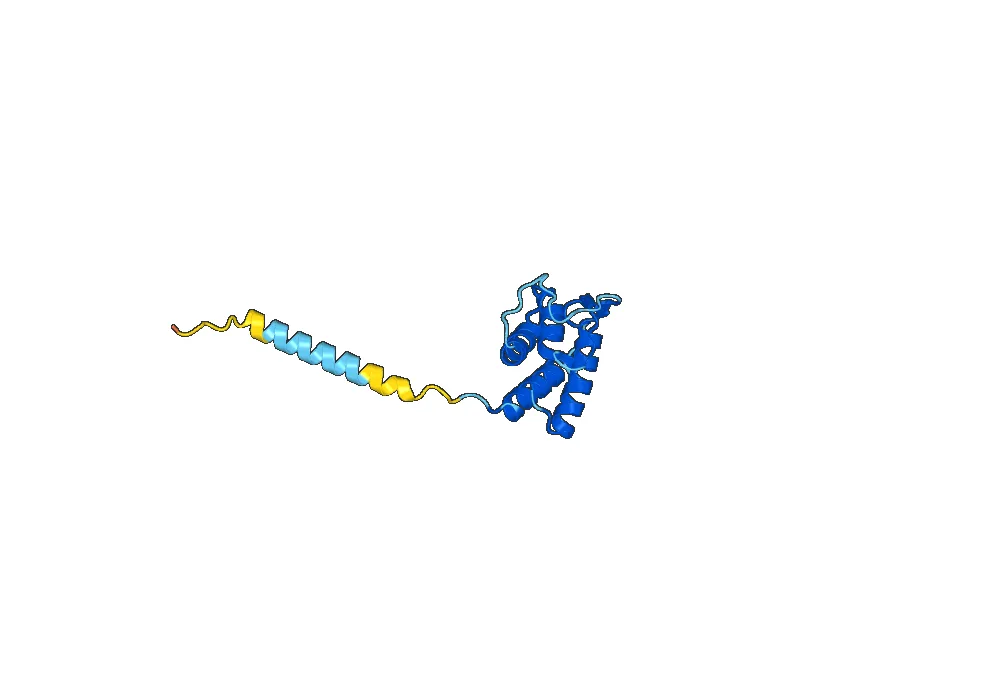
The therapeutic target of Tralokinumab Biosimilar is IL-13, a cytokine that plays a key role in the pathogenesis of various inflammatory diseases. IL-13 is produced by activated T helper type 2 (Th2) cells and has been implicated in the development of asthma, atopic dermatitis, and other allergic and autoimmune conditions. By targeting IL-13, tralokinumab biosimilar has the potential to provide a targeted and effective treatment option for these diseases.
Application of Tralokinumab Biosimilar
Tralokinumab Biosimilar is currently being evaluated in clinical trials for the treatment of various inflammatory diseases, including asthma and atopic dermatitis. In a phase IIb clinical trial, tralokinumab biosimilar demonstrated significant improvements in lung function and asthma control in patients with severe uncontrolled asthma. It has also shown promising results in a phase II trial for the treatment of atopic dermatitis, with a significant reduction in disease severity and symptoms.
In addition, tralokinumab biosimilar has the potential to be used in combination with other therapies for the treatment of inflammatory diseases. For example, in a phase II trial for the treatment of severe uncontrolled asthma, tralokinumab biosimilar was found to have an additive effect when used in combination with standard asthma medications.
Conclusion
In summary, Tralokinumab Biosimilar is a promising research grade version of the original tralokinumab, which has shown potential as a targeted treatment option for various inflammatory diseases. Its structure, activity, and therapeutic target make it a promising candidate for the treatment of conditions such as asthma and atopic dermatitis. Further research and clinical trials are needed to fully evaluate its efficacy and safety, but tralokinumab biosimilar has the potential to provide a much-needed alternative for patients with these debilitating diseases.

There are no reviews yet.