Introduction
Timigutuzumab Biosimilar is a promising monoclonal antibody (mAb) that has shown great potential in targeting the human epidermal growth factor receptor 2 (HER2) and epidermal growth factor receptor 2 (EGFR2) pathways. This research grade antibody has gained significant attention due to its ability to specifically bind to these therapeutic targets, making it a potential candidate for the treatment of various cancers. In this article, we will explore the structure, activity, and potential applications of Timigutuzumab Biosimilar in detail.
Structure of Timigutuzumab Biosimilar
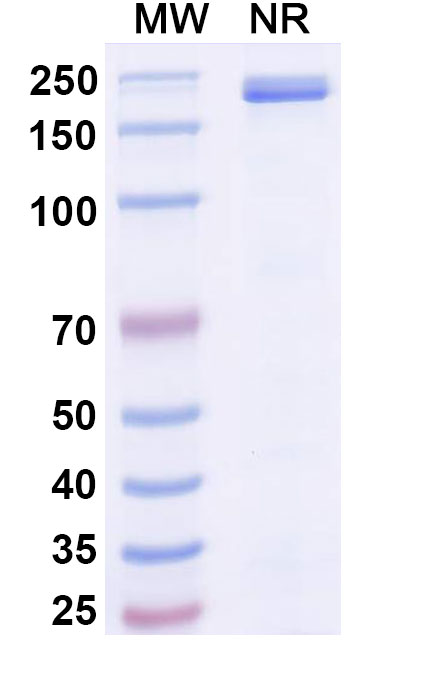
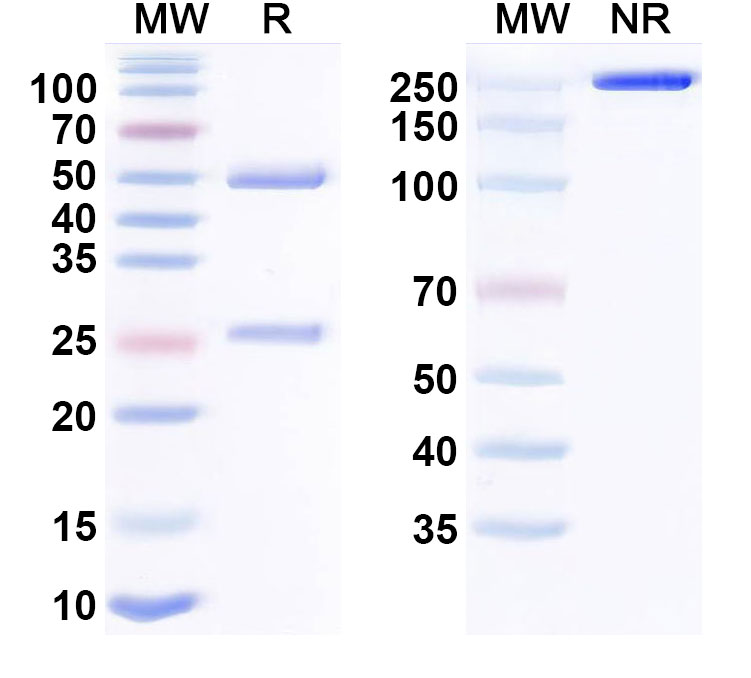
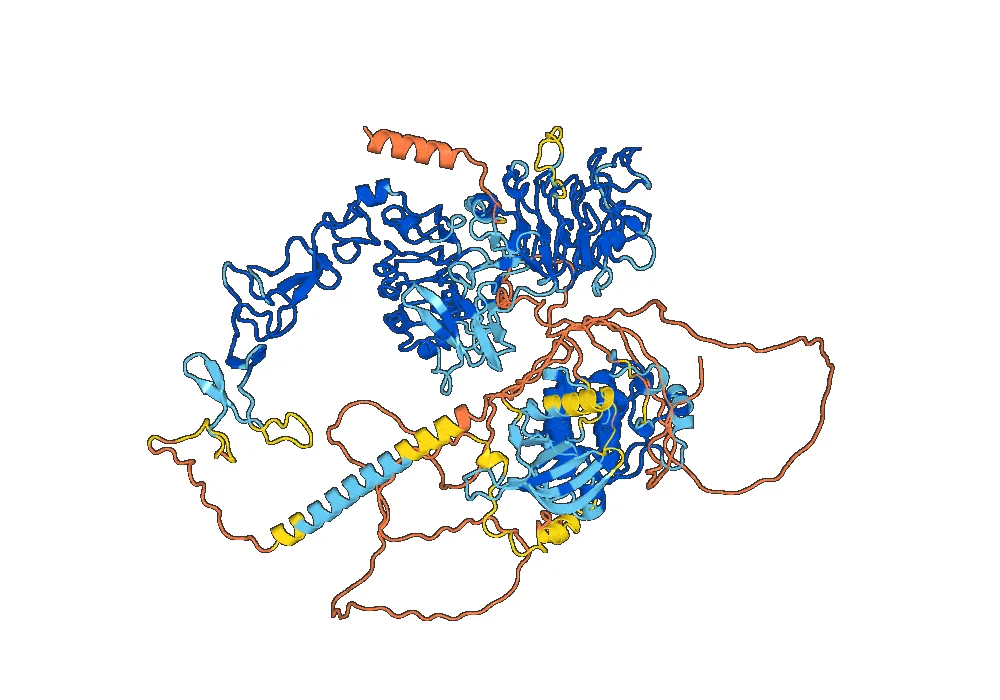
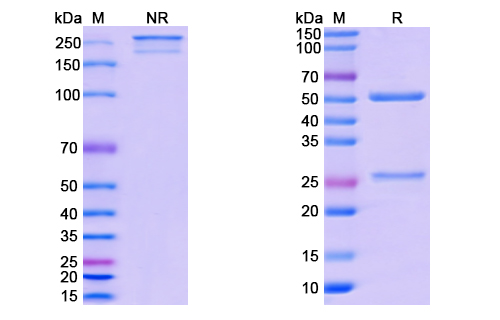
Timigutuzumab Biosimilar is a chimeric mAb, meaning it is composed of both human and non-human components. It is composed of two heavy chains and two light chains, with a molecular weight of approximately 150 kDa. The variable regions of the antibody are derived from a mouse monoclonal antibody, while the constant regions are humanized to reduce the risk of immunogenicity. This structure allows Timigutuzumab Biosimilar to specifically bind to its target receptors with high affinity and selectivity.
Activity of Timigutuzumab Biosimilar
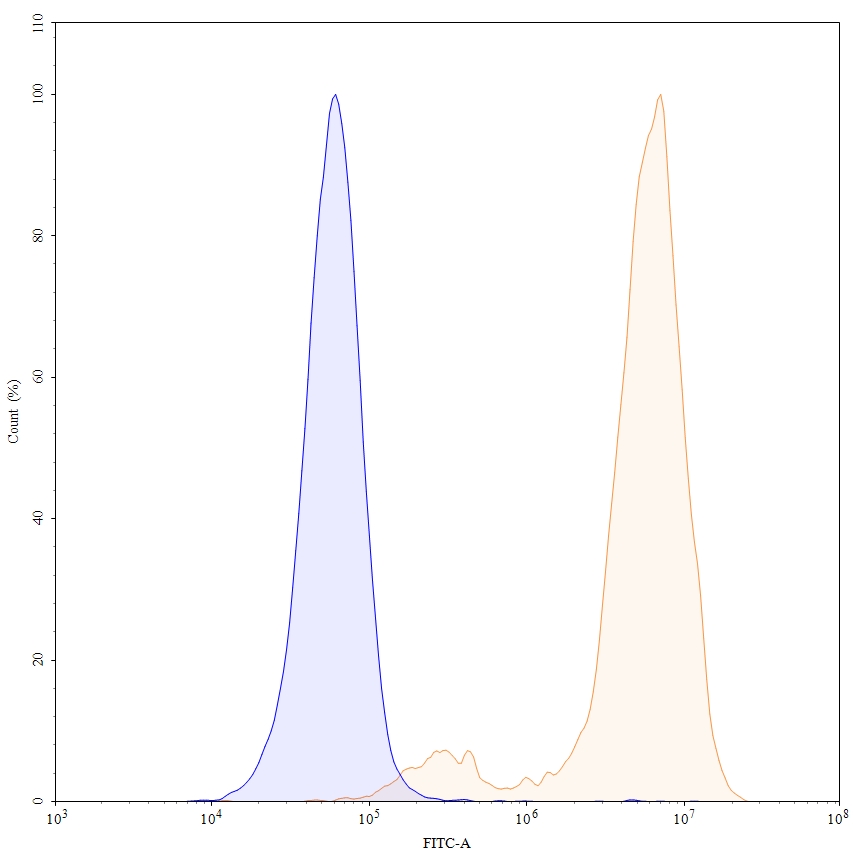
Timigutuzumab Biosimilar has been designed to target the HER2 and EGFR2 receptors, which are overexpressed in various cancers, including breast, ovarian, and gastric cancers. These receptors play a crucial role in cell proliferation, survival, and migration, making them attractive therapeutic targets. Timigutuzumab Biosimilar binds to these receptors and inhibits their downstream signaling pathways, leading to the suppression of tumor growth and progression. Additionally, this antibody also has the potential to induce antibody-dependent cellular cytotoxicity (ADCC) and complement-dependent cytotoxicity (CDC), further enhancing its anti-tumor activity.
Applications of Timigutuzumab Biosimilar
The promising activity of Timigutuzumab Biosimilar has led to its potential application in the treatment of various cancers. It is currently being evaluated in clinical trials for the treatment of HER2-positive breast cancer, HER2-positive gastric cancer, and EGFR2-positive ovarian cancer. In a phase II clinical trial, Timigutuzumab Biosimilar showed promising results in patients with HER2-positive metastatic breast cancer, with an overall response rate of 33.3% and a disease control rate of 66.7%. Furthermore, this antibody has also shown potential in combination with other anti- cancer therapies, such as chemotherapy and other targeted therapies.
Future prospects
The potential of Timigutuzumab Biosimilar extends beyond its current applications. With ongoing research and clinical trials, this antibody has the potential to be used in the treatment of other HER2 and EGFR2-driven cancers, such as non-small cell lung cancer and head and neck cancer. Additionally, the development of a biosimilar version of this antibody may also make it more accessible and cost-effective for patients in need.
Conclusion
In conclusion, Timigutuzumab Biosimilar is a promising research grade antibody that targets the HER2 and EGFR2 receptors. Its specific structure and activity make it a potential candidate for the treatment of various cancers, particularly those driven by these receptors. Ongoing research and clinical trials will further elucidate the potential of this antibody and its future applications in the field of cancer treatment.

There are no reviews yet.