Introduction
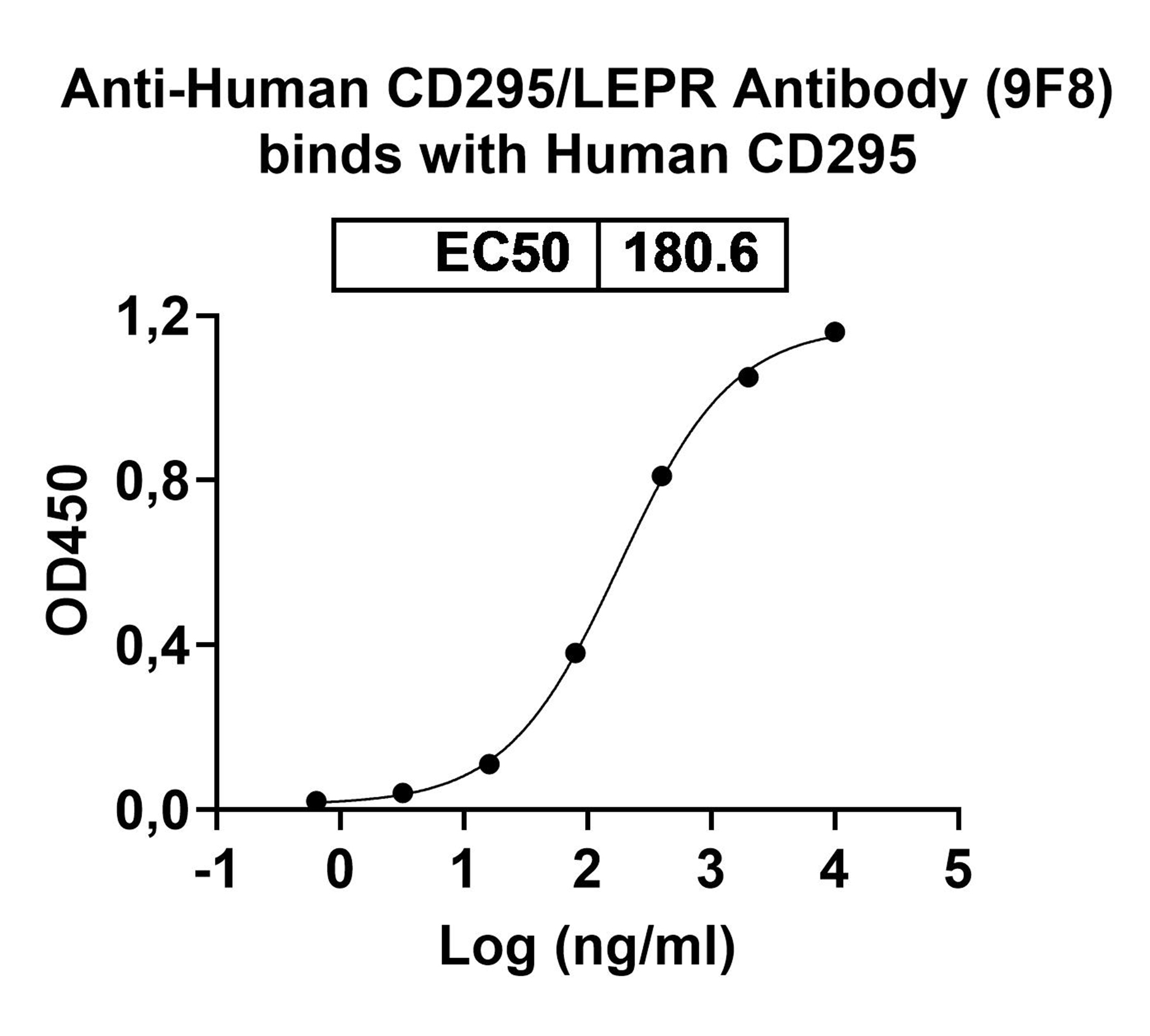
Mibavademab Biosimilar, also known as Anti-LEPR mAb, is a monoclonal antibody that has been developed as a biosimilar to the existing therapeutic antibody, Mibavademab. This biosimilar is specifically designed to target the leptin receptor (LEPR), a protein involved in the regulation of energy balance and metabolism. In this article, we will discuss the structure, activity, and potential applications of Mibavademab Biosimilar as a research-grade antibody.
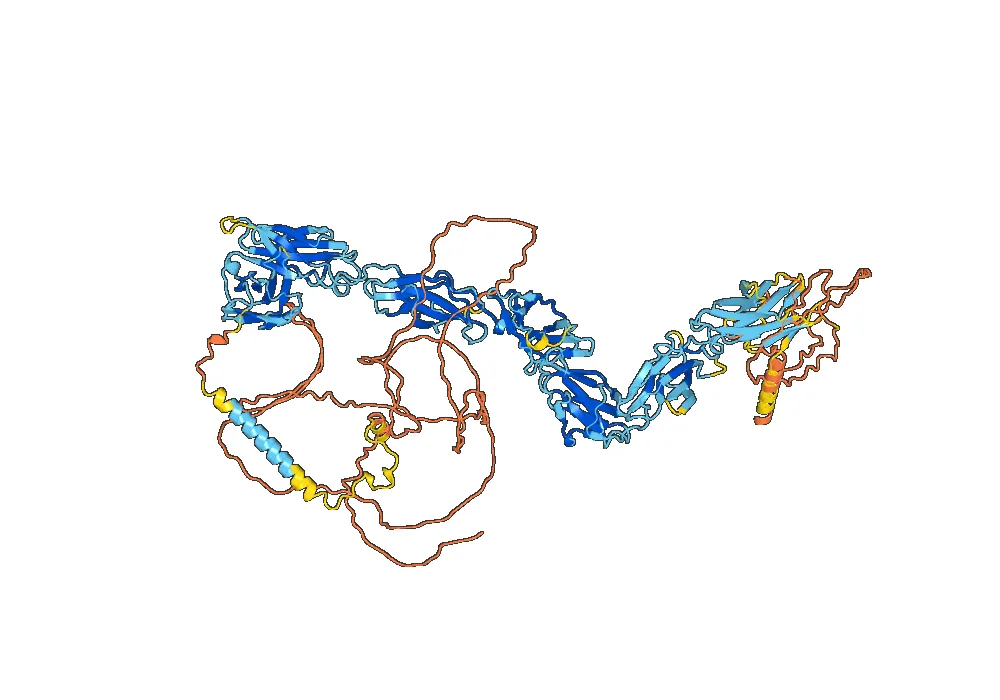
Structure of Mibavademab Biosimilar
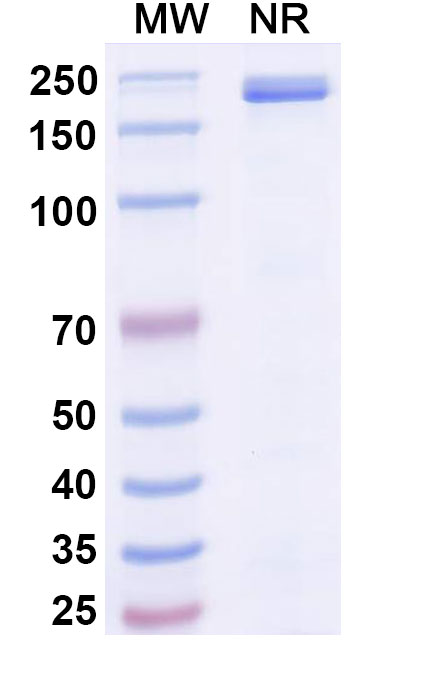
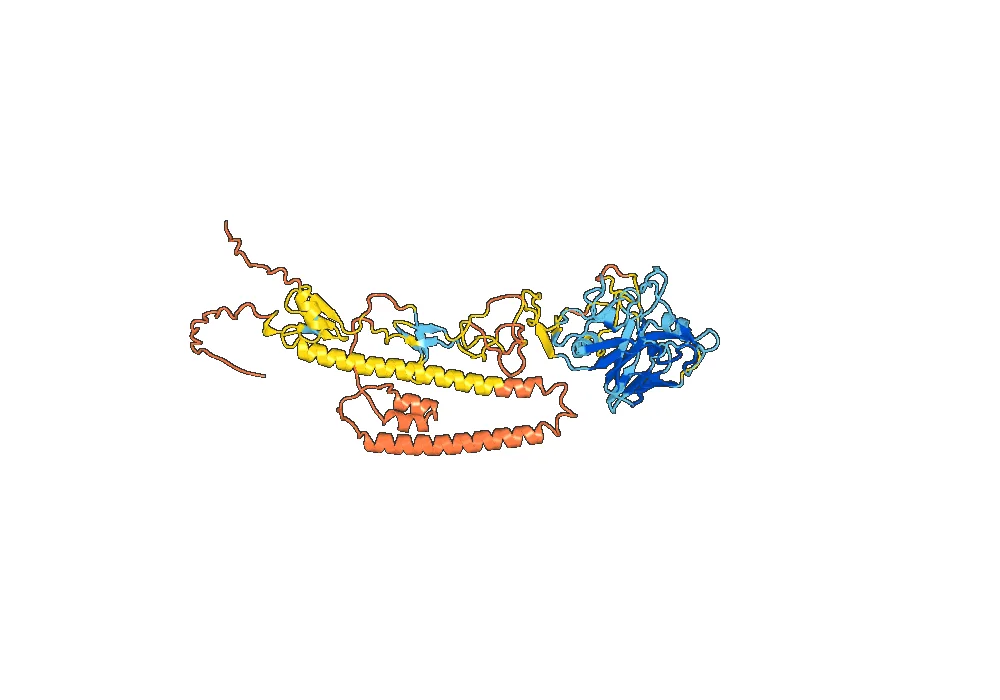
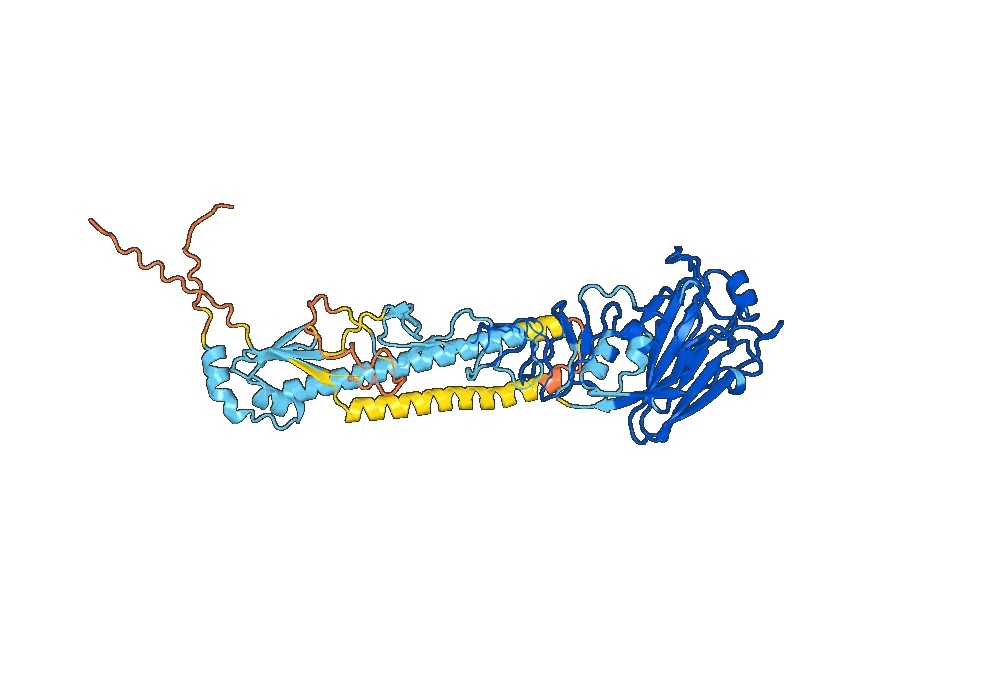
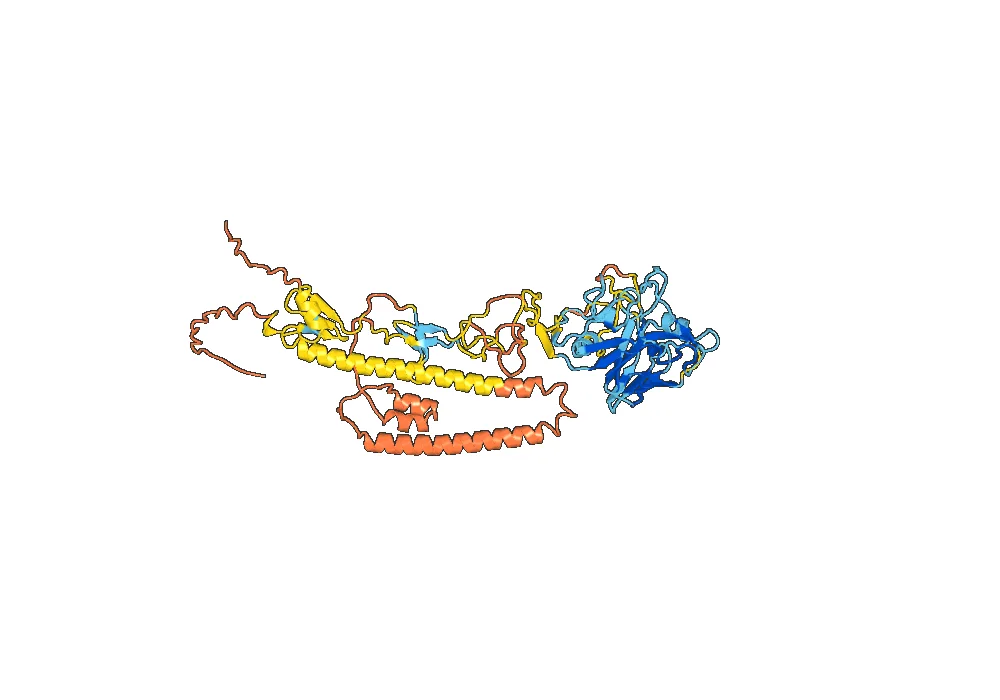
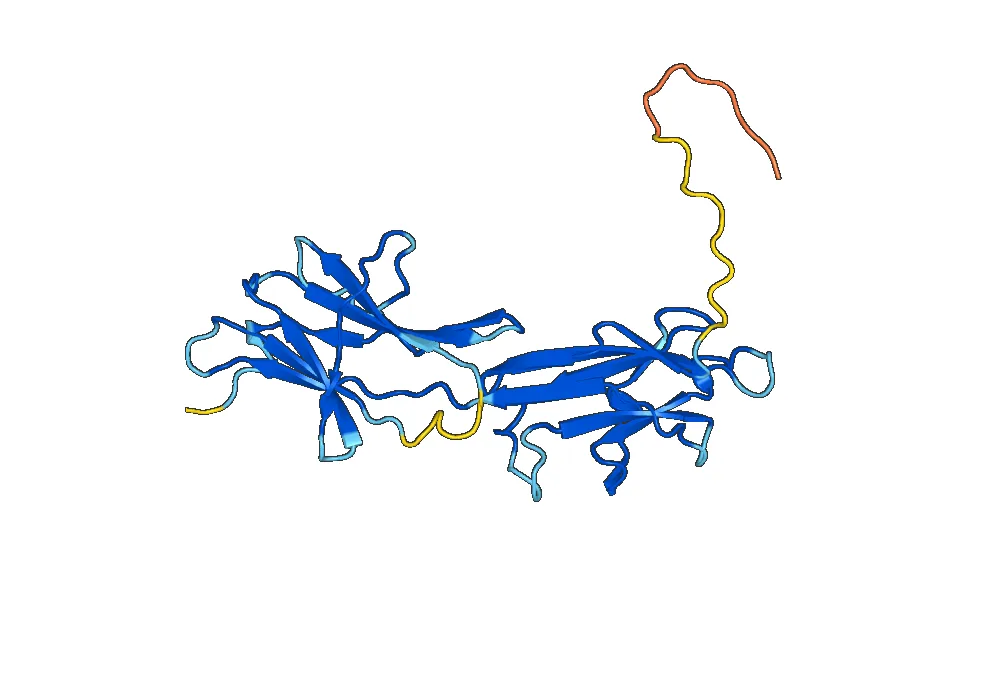
Mibavademab Biosimilar is a recombinant humanized monoclonal antibody, meaning it is produced using recombinant DNA technology and has been modified to have a human-like structure. It is composed of two identical heavy chains and two identical light chains, each containing a variable region and a constant region. The variable regions of the antibody are responsible for binding to the target protein, LEPR, while the constant regions provide stability and determine the antibody’s effector functions.
Activity of Mibavademab Biosimilar
Mibavademab Biosimilar specifically targets the LEPR, which is found on the surface of cells in various tissues, including the hypothalamus, adipose tissue, and liver. LEPR is a key component of the leptin signaling pathway, which plays a crucial role in the regulation of energy balance and metabolism. When leptin, a hormone produced by adipose tissue, binds to LEPR, it triggers a cascade of signaling events that regulate appetite, energy expenditure, and glucose and lipid metabolism.
By binding to LEPR, Mibavademab Biosimilar blocks the binding of leptin, thereby inhibiting the signaling pathway and altering the body’s energy balance. This can be beneficial in conditions where leptin signaling is dysregulated, such as obesity and metabolic disorders.
Application of Mibavademab Biosimilar as a Research-Grade Antibody
Mibavademab Biosimilar has shown promising results in pre-clinical studies as a potential therapeutic for obesity and metabolic disorders. However, as a research-grade antibody, it has several applications in the laboratory setting.
1. Studying the Leptin Signaling Pathway Mibavademab Biosimilar can be used to study the role of the leptin signaling pathway in various physiological processes. By blocking LEPR, researchers can investigate the effects of inhibiting leptin signaling on appetite, metabolism, and other functions.
2. Investigating the Role of LEPR in Disease LEPR has been implicated in various diseases, including obesity, type 2 diabetes, and cancer. Mibavademab Biosimilar can be used to investigate the role of LEPR in these conditions and potentially identify new therapeutic targets.
3. Developing Novel Therapies Mibavademab Biosimilar can also be used to develop new therapies for obesity and metabolic disorders. By studying the effects of blocking LEPR, researchers can identify potential drug targets and develop new treatment strategies.
4. Diagnostic Tool LEPR levels have been found to be altered in various diseases, making it a potential biomarker for diagnosis and disease progression. Mibavademab Biosimilar can be used as a diagnostic tool to detect changes in LEPR levels and aid in disease diagnosis.
Conclusion
Mibavademab Biosimilar is a promising research-grade antibody that specifically targets the leptin receptor. Its humanized structure and ability to block leptin signaling make it a valuable tool for studying the role of LEPR in various diseases and developing new therapies. Further research and clinical trials are needed to fully understand the potential of this biosimilar as a therapeutic agent.

There are no reviews yet.