Introduction:
Lusvertikimab Biosimilar, also known as Anti-IL7R mAb, is a research grade monoclonal antibody that targets the IL-7 receptor (IL-7R). This antibody has shown promising results in preclinical studies and is currently being evaluated for its potential therapeutic applications in various diseases.
Structure of Lusvertikimab Biosimilar:
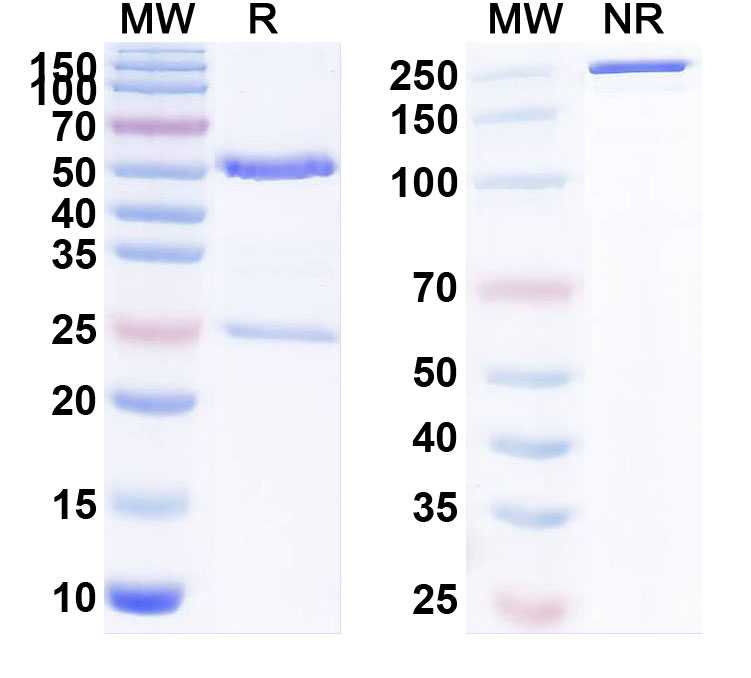
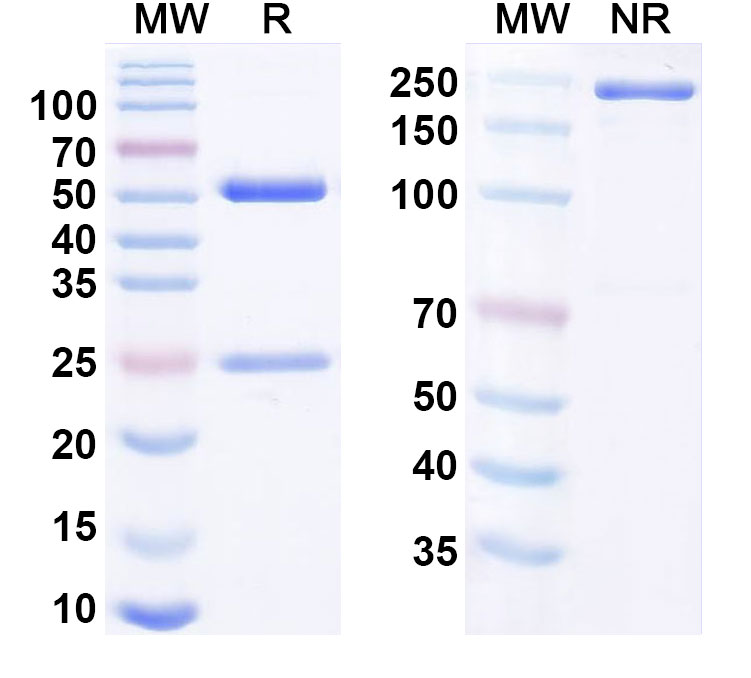
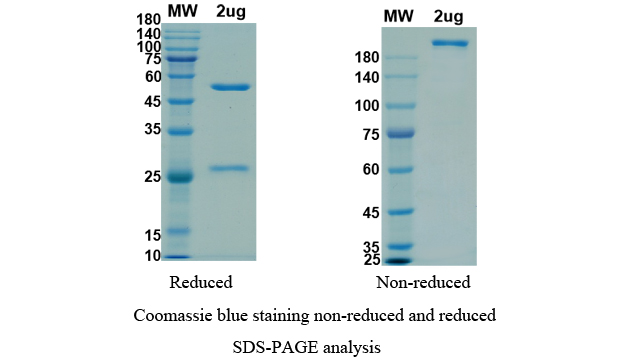
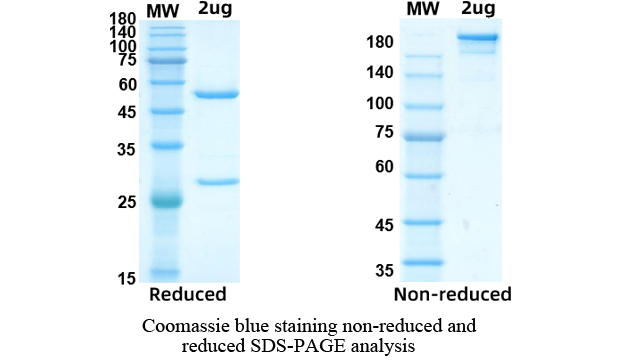
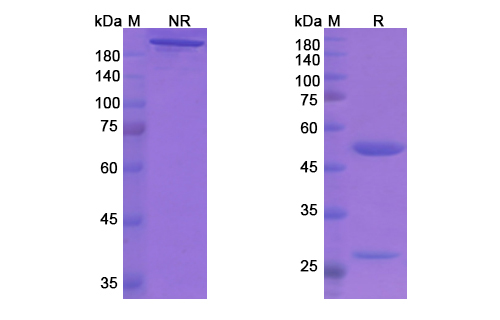
Lusvertikimab Biosimilar is a fully humanized monoclonal antibody, meaning that it is derived from human cells and has a high affinity for its target. It is composed of two identical heavy chains and two identical light chains, each containing a variable region and a constant region. The variable region is responsible for binding to the IL-7R, while the constant region provides stability and effector functions.
Activity of Lusvertikimab Biosimilar:
IL-7R is a cell surface receptor that is expressed on various immune cells, including T cells, B cells, and natural killer cells. It plays a critical role in the development, survival, and activation of these immune cells. Dysregulation of IL-7R signaling has been linked to various diseases, making it an attractive therapeutic target.
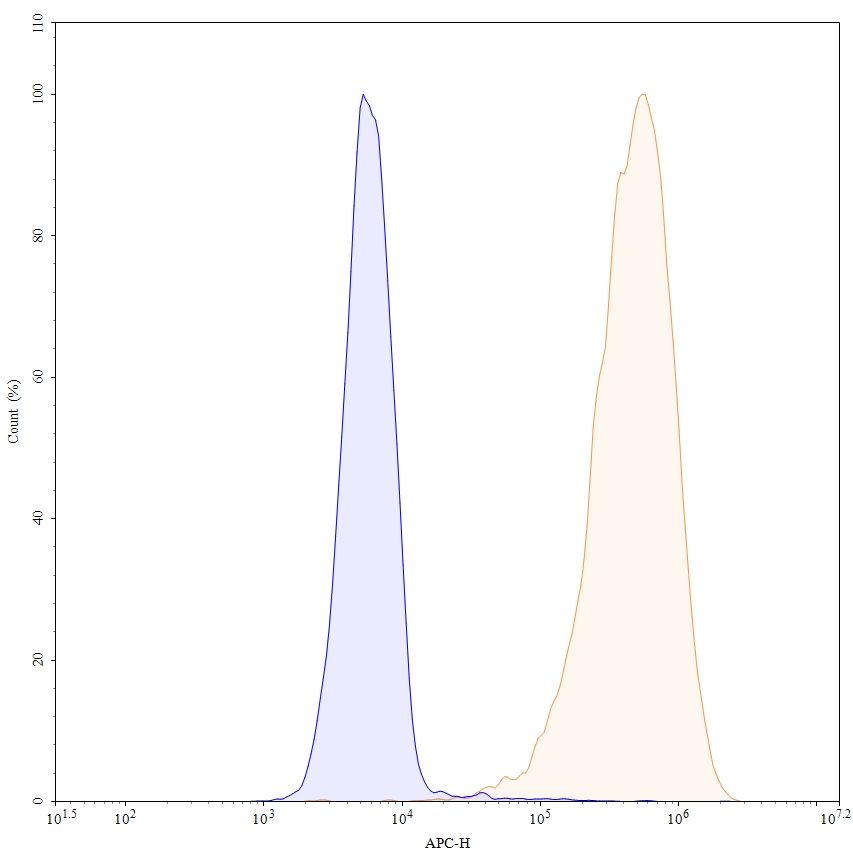
Lusvertikimab Biosimilar binds to the IL-7R with high specificity and blocks its interaction with IL-7, thereby inhibiting downstream signaling pathways. This leads to a decrease in the activation and proliferation of immune cells, ultimately resulting in the suppression of immune responses.
Applications of Lusvertikimab Biosimilar:
1. Inflammatory Bowel Disease (IBD):
IBD is a chronic inflammatory disorder of the gastrointestinal tract, including Crohn’s disease and ulcerative colitis. IL-7R has been identified as a key player in the pathogenesis of IBD. Lusvertikimab Biosimilar has shown promising results in preclinical studies by reducing inflammation and promoting mucosal healing in animal models of IBD. Clinical trials are currently underway to evaluate its efficacy and safety in patients with IBD.
2. Autoimmune Diseases:
Autoimmune diseases occur when the immune system mistakenly attacks healthy cells and tissues. IL-7R has been implicated in the development and progression of various autoimmune diseases, such as rheumatoid arthritis and multiple sclerosis. Lusvertikimab Biosimilar has shown potential in preclinical studies by reducing disease severity and improving clinical outcomes in animal models of these diseases.
3.
Cancer:
IL-7R has been found to be overexpressed on tumor cells and is associated with poor prognosis in various cancers, including leukemia, lymphoma, and solid tumors. Lusvertikimab Biosimilar has shown promising results in preclinical studies by inhibiting tumor growth and promoting tumor cell death. Clinical trials are currently underway to evaluate its potential as a cancer treatment.
4. Organ Transplantation:
Organ transplantation is a life-saving procedure, but it requires lifelong immunosuppressive therapy to prevent rejection of the transplanted organ. IL-7R has been identified as a key mediator of transplant rejection. Lusvertikimab Biosimilar has shown potential in preclinical studies by inhibiting the activation and proliferation of immune cells involved in transplant rejection. Clinical trials are currently underway to evaluate its efficacy and safety in transplant patients.
Conclusion:
Lusvertikimab Biosimilar, also known as Anti-IL7R mAb, is a research grade monoclonal antibody that targets the IL-7 receptor. Its specific binding and inhibitory activity make it a promising candidate for the treatment of various diseases, including IBD, autoimmune diseases, cancer, and organ transplantation. Clinical trials are currently underway to evaluate its efficacy and safety in these conditions, and it holds great potential as a future therapeutic option.


There are no reviews yet.