Tenecteplase Biosimilar: A Novel t-Plasminogen Activator for Therapeutic Targeting
Tenecteplase biosimilar, also known as t-plasminogen activator, is a genetically engineered protein that mimics the activity of the natural human enzyme plasminogen activator. It is used for the treatment of various thrombotic disorders, including acute myocardial infarction, ischemic stroke, and pulmonary embolism. In this article, we will delve into the structure, activity, and potential applications of this promising biosimilar in the field of medicine.
Structure of Tenecteplase Biosimilar
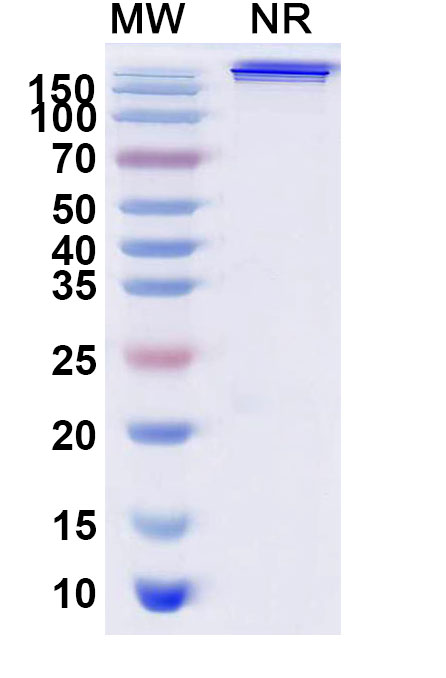
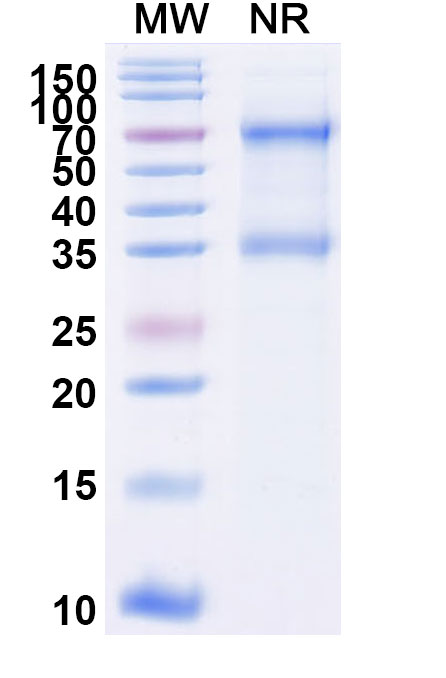
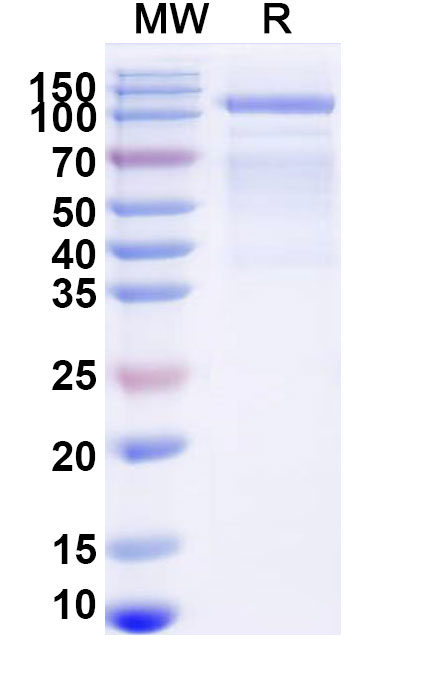
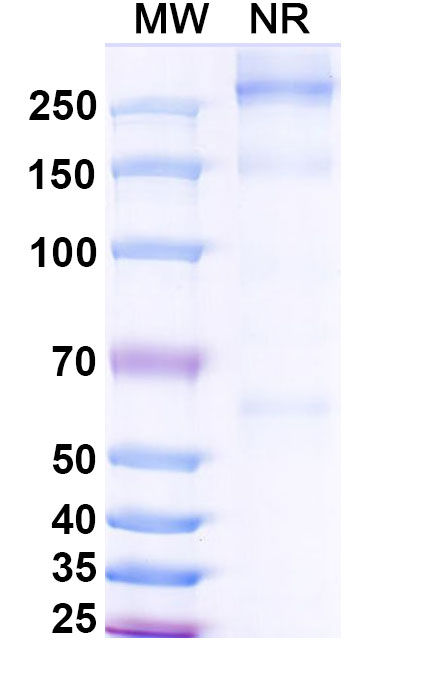
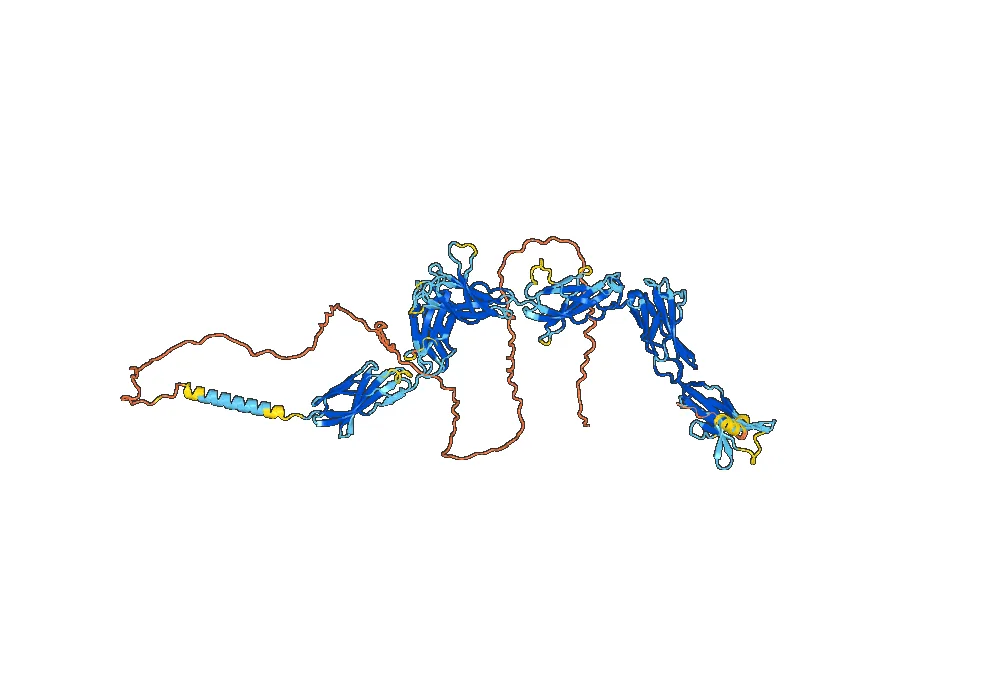
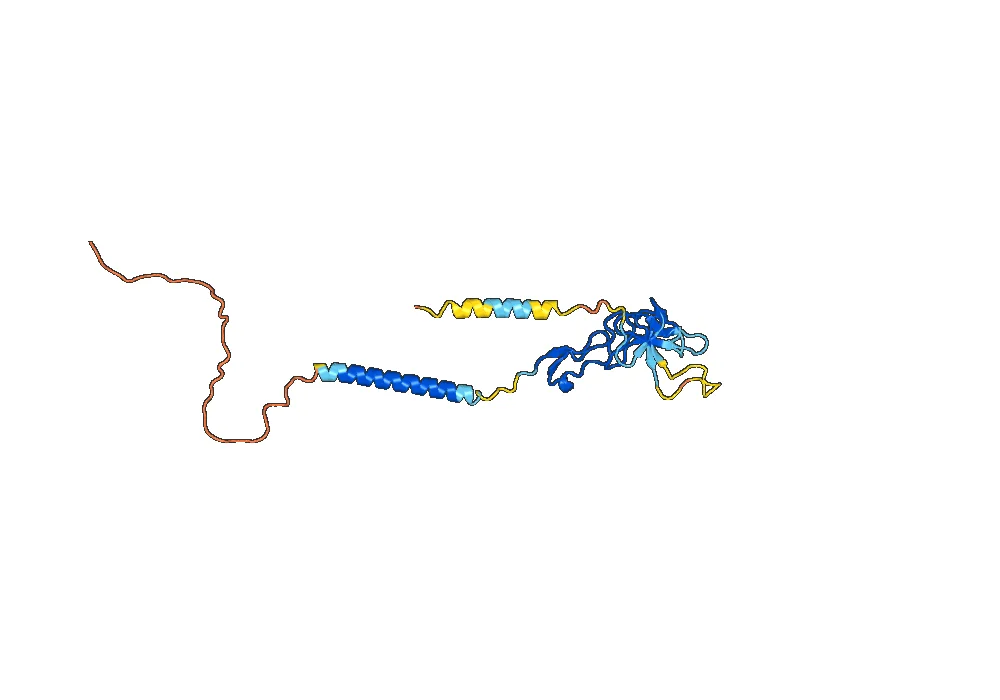
Tenecteplase biosimilar is a recombinant protein composed of 527 amino acids, with a molecular weight of approximately 58 kDa. It is produced by genetically modifying the gene encoding for human tissue plasminogen activator (tPA), the endogenous enzyme responsible for converting plasminogen to plasmin, which is involved in the dissolution of blood clots.
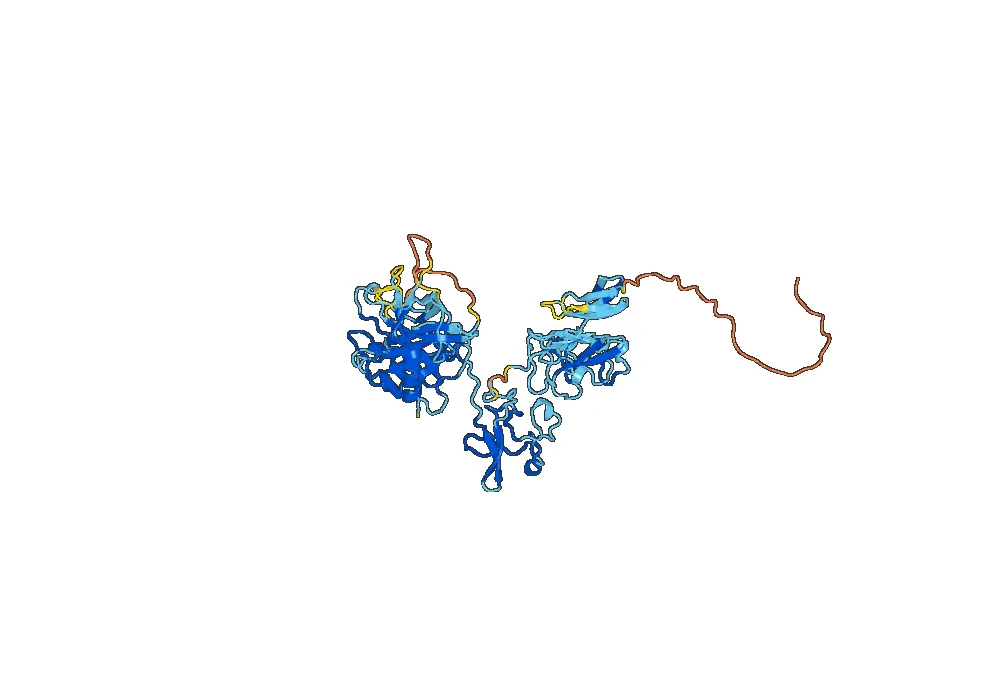
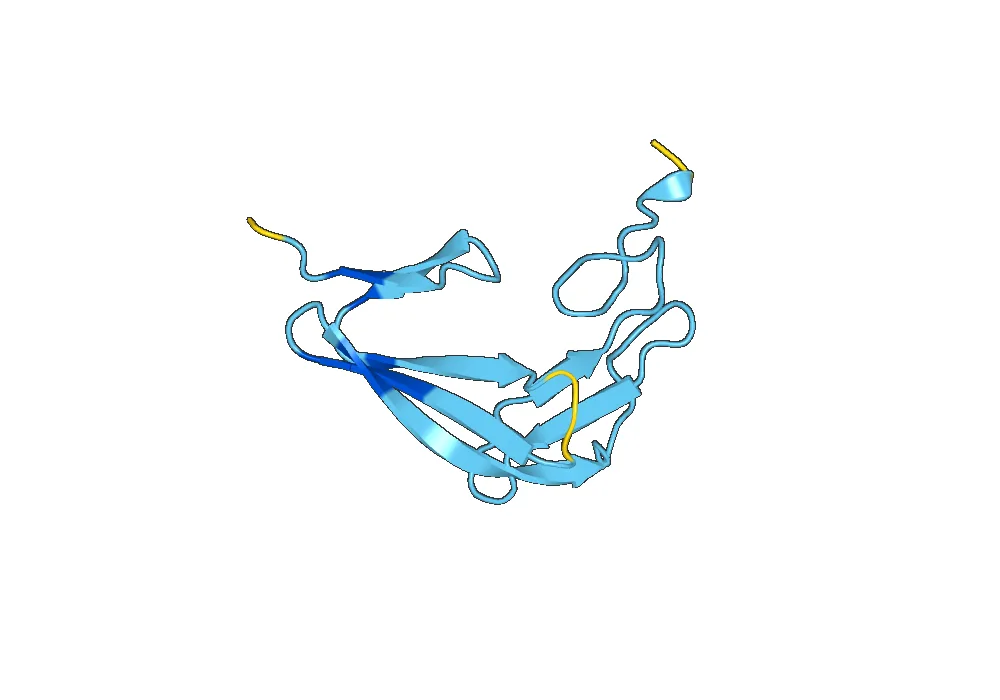
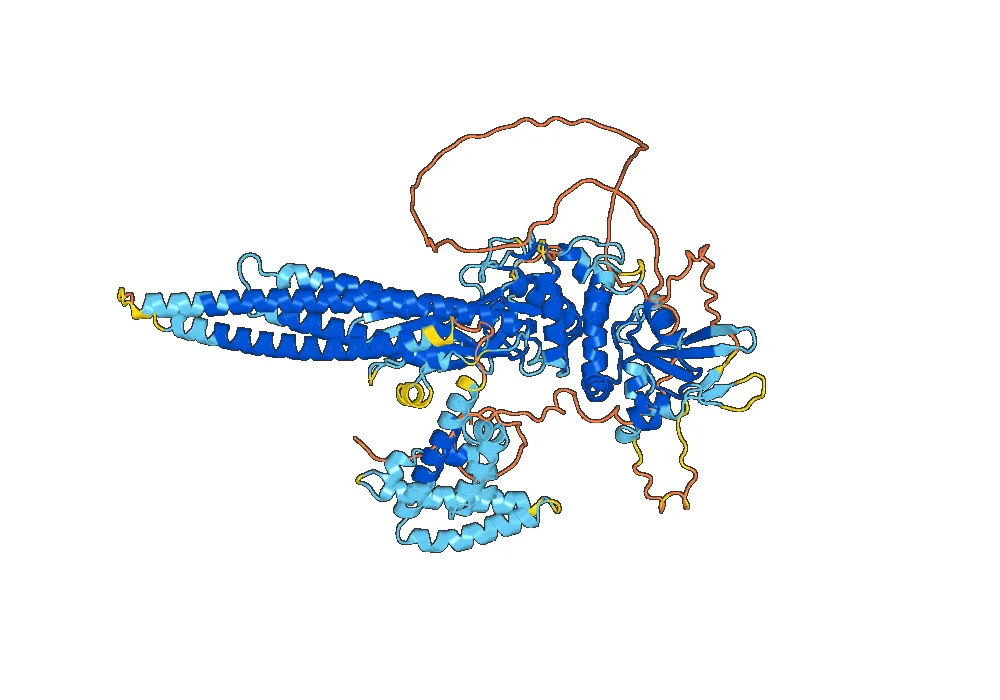
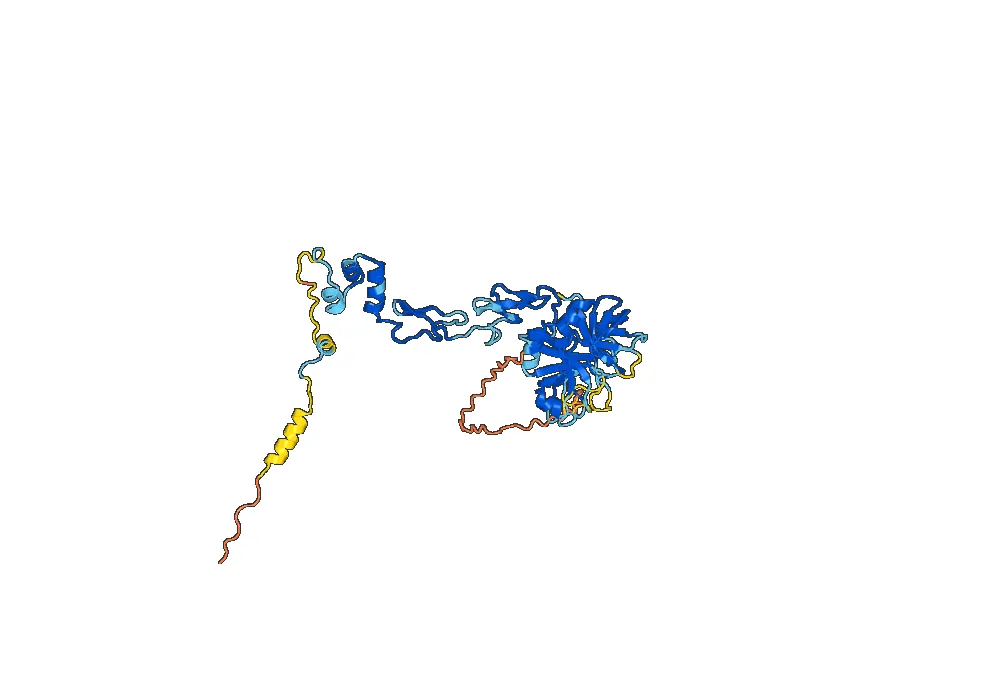
The structure of tenecteplase biosimilar is similar to that of tPA, with a few modifications to enhance its activity and stability. It consists of five distinct domains, namely the finger, growth factor, kringle 1, kringle 2, and protease domains. The finger domain is responsible for binding to fibrin, a key component of blood clots, while the growth factor domain is involved in the activation of plasminogen. The kringle domains are essential for the binding of tenecteplase to plasminogen, and the protease domain is responsible for the cleavage of plasminogen to form plasmin.
Activity of Tenecteplase Biosimilar
The primary activity of tenecteplase biosimilar is the conversion of plasminogen to plasmin, which is a key step in the dissolution of blood clots. It does so by binding to fibrin, the main component of blood clots, and activating plasminogen to form plasmin. Plasmin then breaks down the fibrin mesh, leading to the dissolution of the clot.
One of the main advantages of tenecteplase biosimilar over other tPA-based therapies is its longer half-life, which allows for a greater therapeutic effect with a single dose. It also has a higher specificity for fibrin, reducing the risk of systemic bleeding compared to other tPA-based therapies.
Applications of Tenecteplase Biosimilar
Tenecteplase biosimilar has been approved for use in the treatment of acute myocardial infarction, ischemic stroke, and pulmonary embolism. It has also shown promising results in the treatment of other thrombotic disorders, such as deep vein thrombosis and peripheral arterial occlusion.
In addition to its use as a thrombolytic agent, tenecteplase biosimilar has also been investigated for its potential in targeted drug delivery. Due to its ability to bind specifically to fibrin, it can be used as a carrier for drugs or imaging agents, targeting specific sites of thrombosis in the body. This targeted approach could potentially reduce the risk of systemic side effects and increase the efficacy of the treatment.
Conclusion
Tenecteplase biosimilar, also known as t-plasminogen activator, is a genetically engineered protein that mimics the activity of the natural human enzyme plasminogen activator. Its longer half-life, higher specificity, and potential for targeted drug delivery make it a promising option for the treatment of various thrombotic disorders. With ongoing research and development, this biosimilar has the potential to revolutionize the field of thrombolytic therapy and improve patient outcomes.
Keywords: Tenecteplase biosimilar, t-plasminogen activator, thrombolytic therapy
There are no reviews yet.