Introduction to Efavaleukin alfa Biosimilar
Efavaleukin alfa Biosimilar, also known as Anti-TNFRSF18 fusion protein, is a novel therapeutic antibody that has shown promising results in treating various autoimmune diseases and cancers. This biosimilar is a recombinant fusion protein that is designed to mimic the activity of the natural cytokine, Efavaleukin alfa, which plays a crucial role in regulating the immune response. In this article, we will discuss the structure, activity, and potential applications of Efavaleukin alfa Biosimilar in detail.
Structure of Efavaleukin alfa Biosimilar
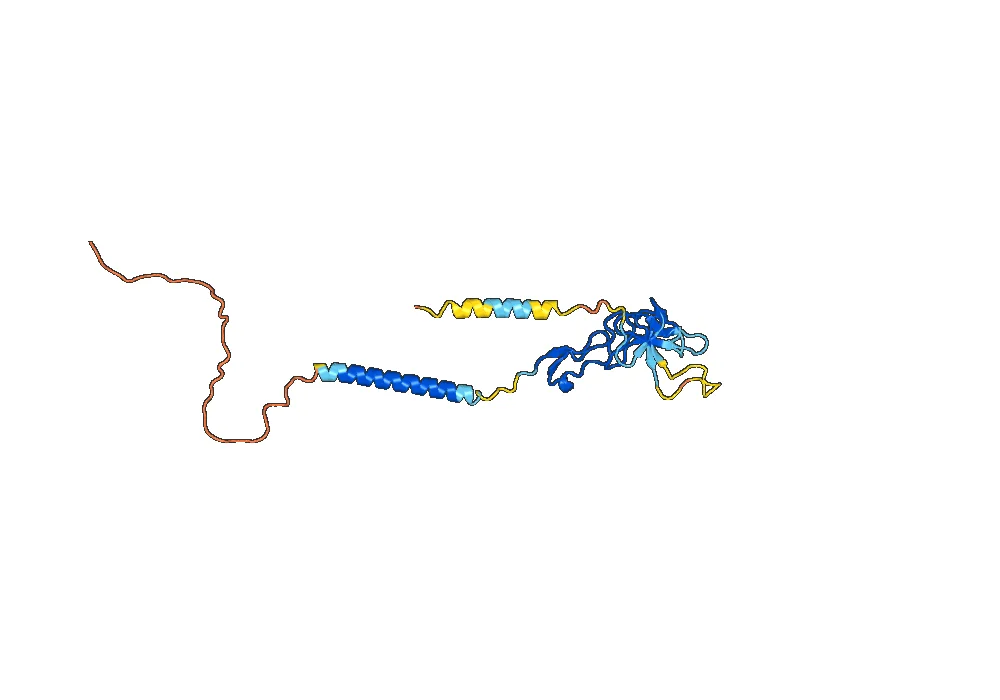
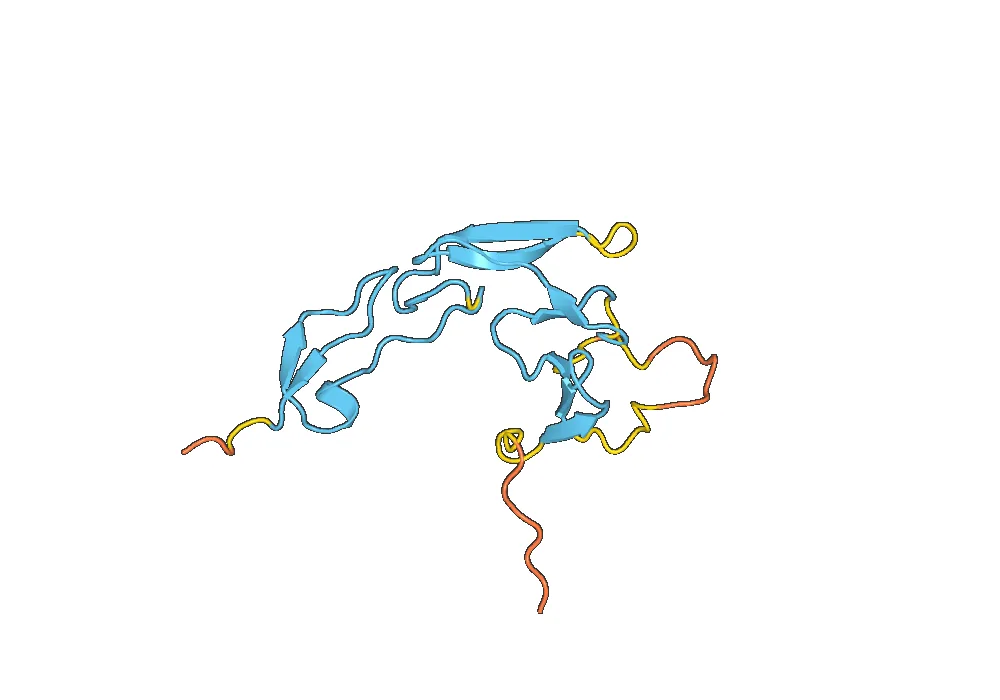
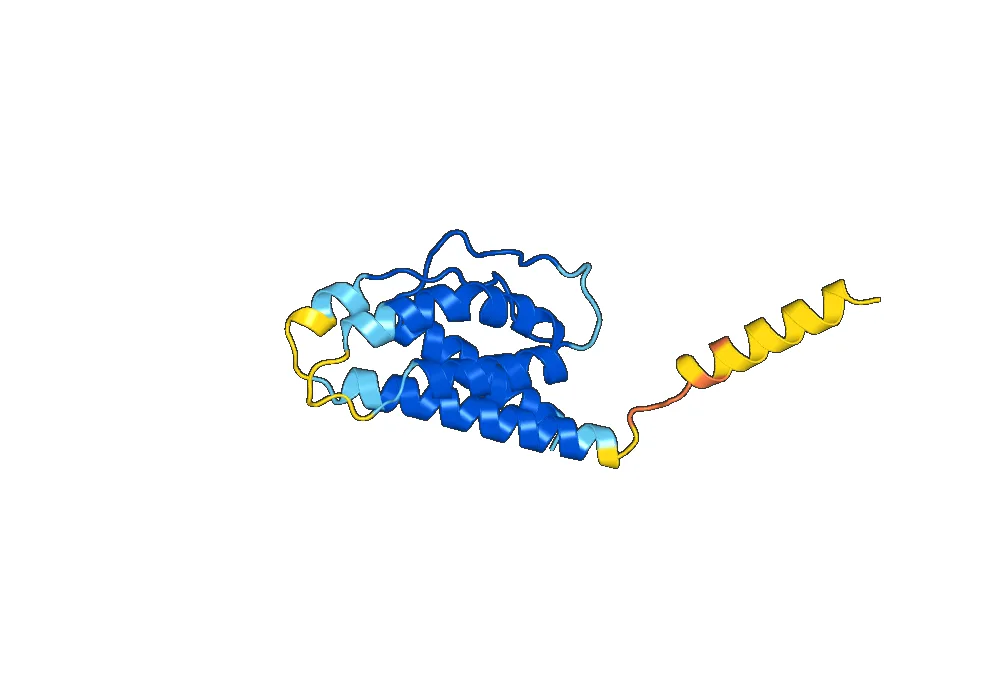
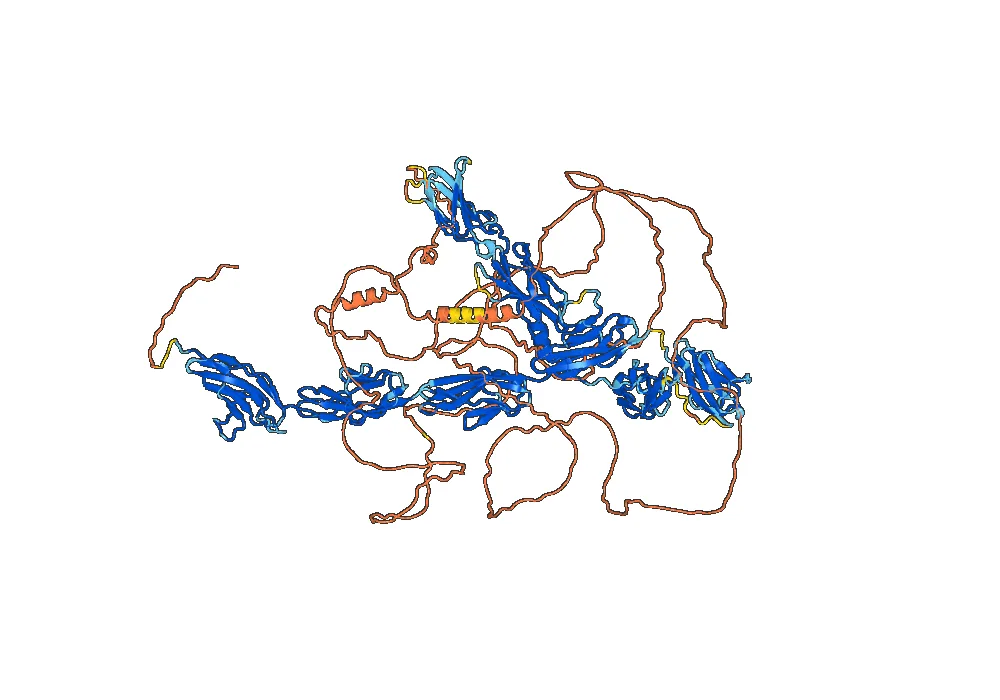
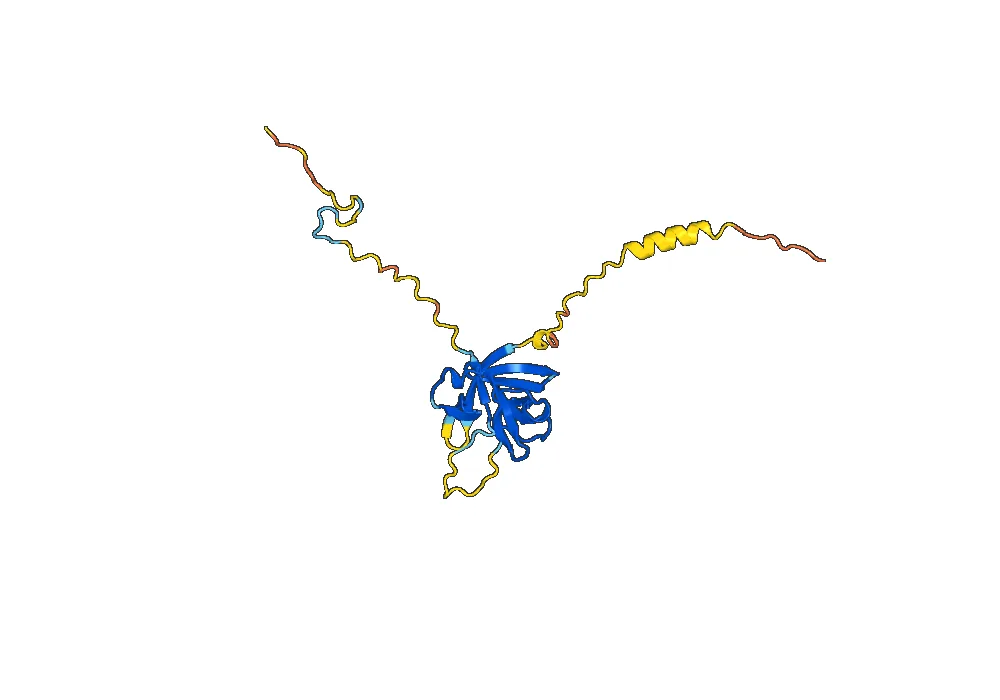
Efavaleukin alfa Biosimilar is a fusion protein that is composed of two key components – the extracellular domain of the human TNFRSF18 receptor and the Fc region of human IgG1 antibody. The extracellular domain of TNFRSF18 receptor is responsible for binding to its ligand, Efavaleukin alfa, while the Fc region of IgG1 provides stability and extended half-life to the fusion protein.
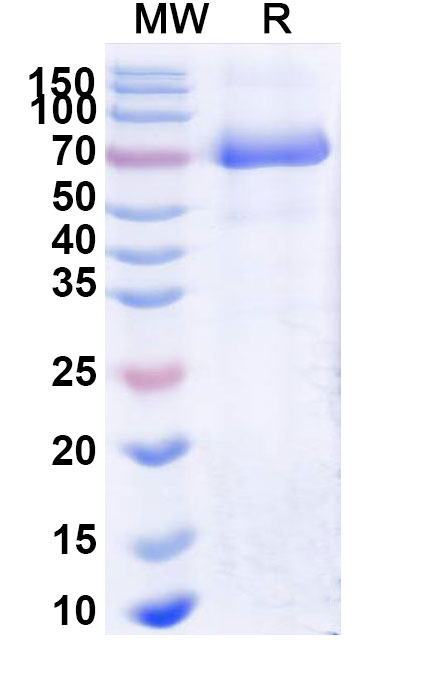
The fusion protein is produced through recombinant DNA technology, where the gene encoding for the extracellular domain of TNFRSF18 is fused with the gene encoding for the Fc region of IgG1. This fusion protein is then expressed in a mammalian cell system, resulting in a highly purified and biologically active protein.
Activity of Efavaleukin alfa Biosimilar
As mentioned earlier, Efavaleukin alfa Biosimilar mimics the activity of the natural cytokine, Efavaleukin alfa, which is a member of the TNF superfamily. Efavaleukin alfa plays a key role in regulating the immune response by binding to its receptor, TNFRSF18, which is expressed on various immune cells such as T cells, B cells, and dendritic cells.
By binding to TNFRSF18, Efavaleukin alfa can modulate the activity of these immune cells, leading to a decrease in inflammation and an increase in immune tolerance. This mechanism of action makes Efavaleukin alfa Biosimilar a potential therapeutic option for various autoimmune diseases, including rheumatoid arthritis, psoriasis, and inflammatory bowel disease.
In addition to its immunomodulatory effects, Efavaleukin alfa Biosimilar has also shown anti-tumor activity. This is due to its ability to induce apoptosis (cell death) in certain cancer cells, as well as enhance the activity of immune cells against tumors.
Applications of Efavaleukin alfa Biosimilar
Based on its structure and activity, Efavaleukin alfa Biosimilar has potential applications in various therapeutic areas. Some of the key applications of this biosimilar include:
- Autoimmune diseases: Efavaleukin alfa Biosimilar can be used to treat autoimmune diseases such as rheumatoid arthritis, psoriasis, and inflammatory bowel disease by modulating the immune response and reducing inflammation.
- Cancer: Due to its anti-tumor activity, Efavaleukin alfa Biosimilar has the potential to be used in the treatment of various cancers, including melanoma, lung cancer, and lymphoma.
- Transplant rejection: Efavaleukin alfa Biosimilar can also be used to prevent transplant rejection by suppressing the immune response against the transplanted organ.
- Inflammatory disorders: In addition to autoimmune diseases, Efavaleukin alfa Biosimilar may also be effective in treating other inflammatory disorders such as asthma and allergic rhinitis.
Conclusion Efavaleukin alfa Biosimilar, also known as Anti-TNFRSF18
There are no reviews yet.