Introduction
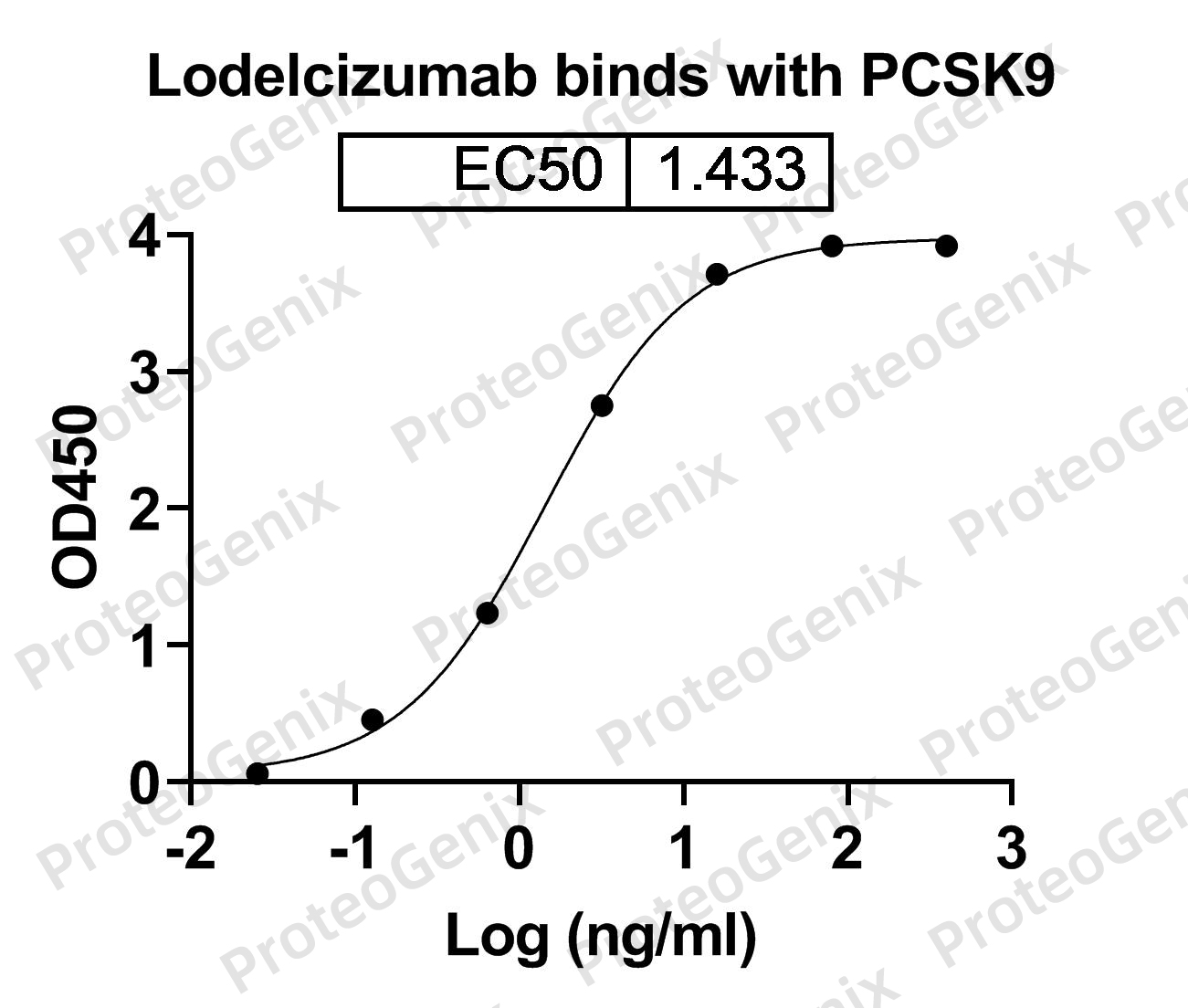
Tafolecimab Biosimilar, also known as Anti-PCSK9 mAb, is a monoclonal antibody that targets proprotein convertase subtilisin/kexin type 9 (PCSK9). This biosimilar is a research grade antibody that has shown promising results in pre-clinical studies and is currently being evaluated for its potential therapeutic applications in various diseases.
Structure of Tafolecimab Biosimilar
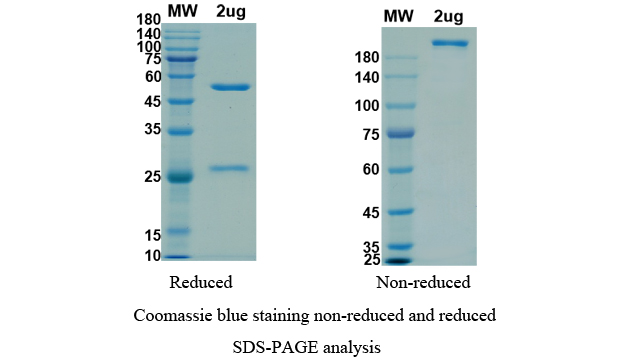
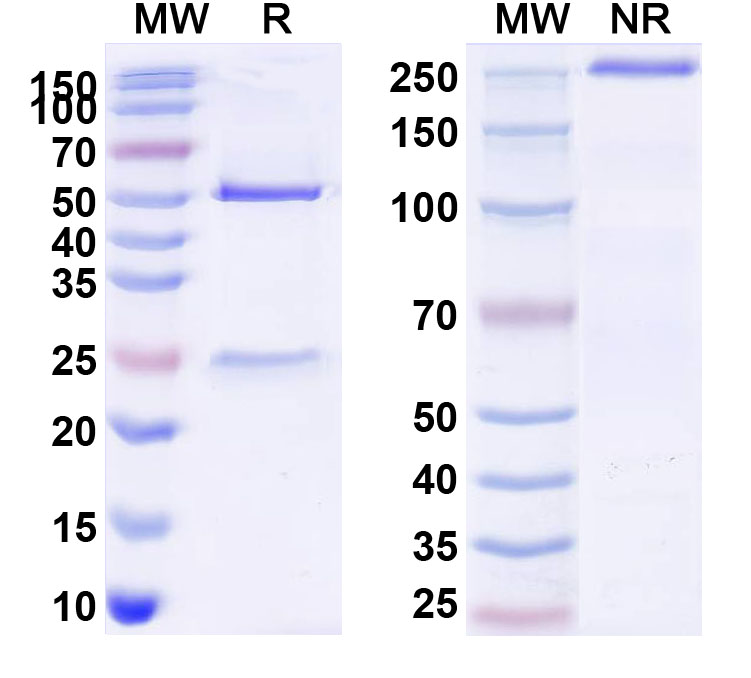
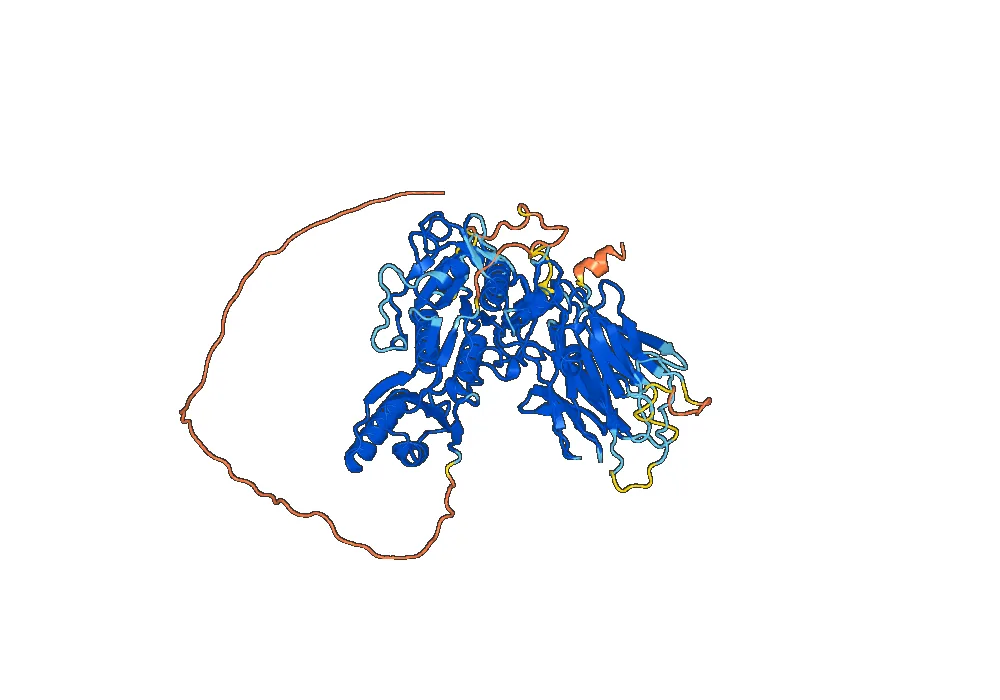
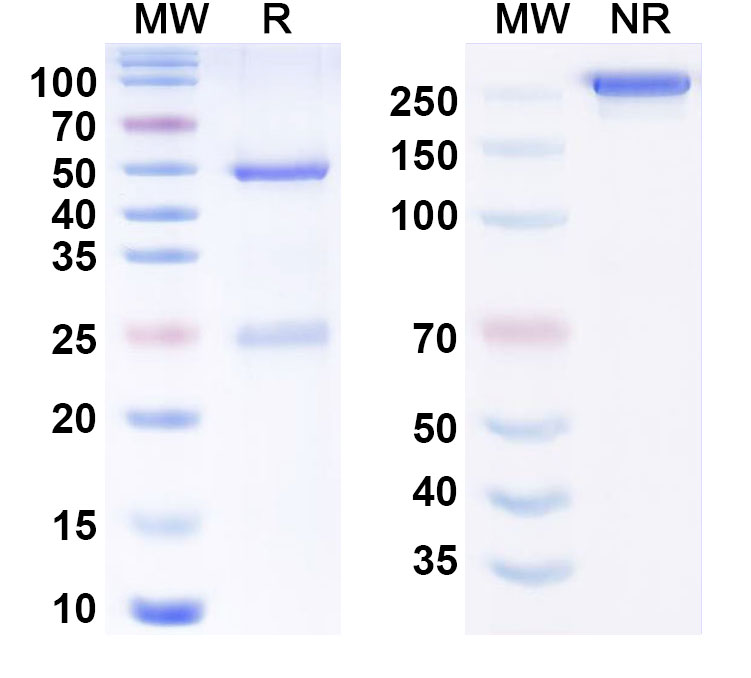
Tafolecimab Biosimilar is a fully humanized IgG1 monoclonal antibody with a molecular weight of approximately 150 kDa. It is composed of two heavy chains and two light chains, each with a variable region and a constant region. The variable region of the antibody is responsible for binding to its target, PCSK9.
Mechanism of Action
PCSK9 is a protein that plays a crucial role in regulating the levels of low-density lipoprotein (LDL) cholesterol in the blood. It binds to the LDL receptor on the surface of liver cells and prevents its recycling, leading to increased levels of LDL cholesterol in the blood. Tafolecimab Biosimilar works by binding to PCSK9 and preventing its interaction with the LDL receptor, thereby allowing the receptor to recycle and remove LDL cholesterol from the blood.
Applications of Tafolecimab Biosimilar
1. Treatment of Hypercholesterolemia Hypercholesterolemia, or high levels of cholesterol in the blood, is a major risk factor for cardiovascular diseases. Clinical trials have shown that Tafolecimab Biosimilar can effectively lower LDL cholesterol levels in patients with hypercholesterolemia, making it a potential therapeutic option for managing this condition.
2. Prevention of Cardiovascular Diseases By reducing LDL cholesterol levels, Tafolecimab Biosimilar has the potential to prevent the development of cardiovascular diseases such as heart attacks and strokes. This has been supported by pre-clinical studies which have shown that the antibody can reduce the formation of atherosclerotic plaques, which are a major cause of cardiovascular diseases.
3. Treatment of Familial Hypercholesterolemia Familial hypercholesterolemia (FH) is a genetic disorder characterized by high levels of LDL cholesterol from birth. It is associated with a significantly increased risk of cardiovascular diseases. Tafolecimab Biosimilar has shown promising results in clinical trials as a potential treatment for FH, with a significant reduction in LDL cholesterol levels observed in patients.
4. Combination Therapy for Statin-Intolerant Patients Statins are a commonly prescribed medication for lowering cholesterol levels, but some patients may be intolerant to these drugs due to side effects. Tafolecimab Biosimilar has been studied as a potential combination therapy for statin-intolerant patients, and results have shown that it can effectively lower LDL cholesterol levels in these individuals.
Conclusion
Tafolecimab Biosimilar is a promising research grade antibody that targets PCSK9 and has the potential to be used as a therapeutic agent for various diseases related to high cholesterol levels. Its mechanism of action and pre-clinical and clinical data support its potential as a treatment option for hypercholesterolemia, cardiovascular diseases, and familial hypercholesterolemia. Further studies and clinical trials are needed to fully evaluate the efficacy and safety of this biosimilar, but it holds great promise in improving the management of these conditions.



There are no reviews yet.