Introduction
Stapokibart Biosimilar is a research grade anti-IL-4RA monoclonal antibody (mAb) that has shown promising results in the treatment of various diseases. In this article, we will discuss the structure, activity, and application of Stapokibart Biosimilar, highlighting its potential as a therapeutic antibody targeting IL-4RA.
Structure of Stapokibart Biosimilar
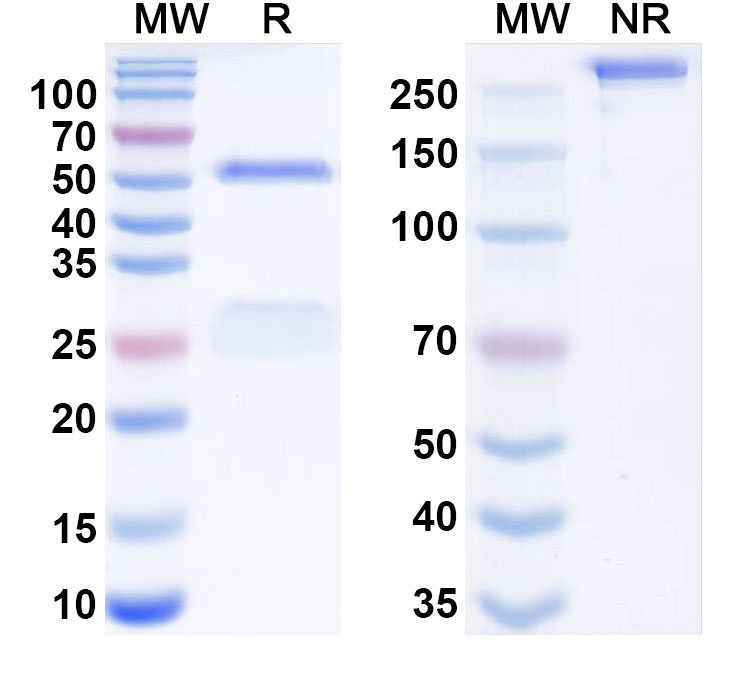
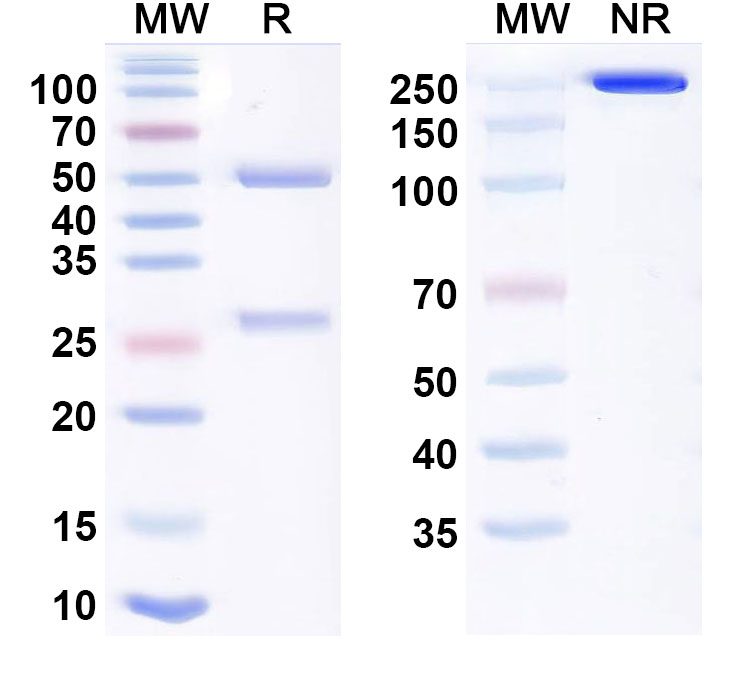
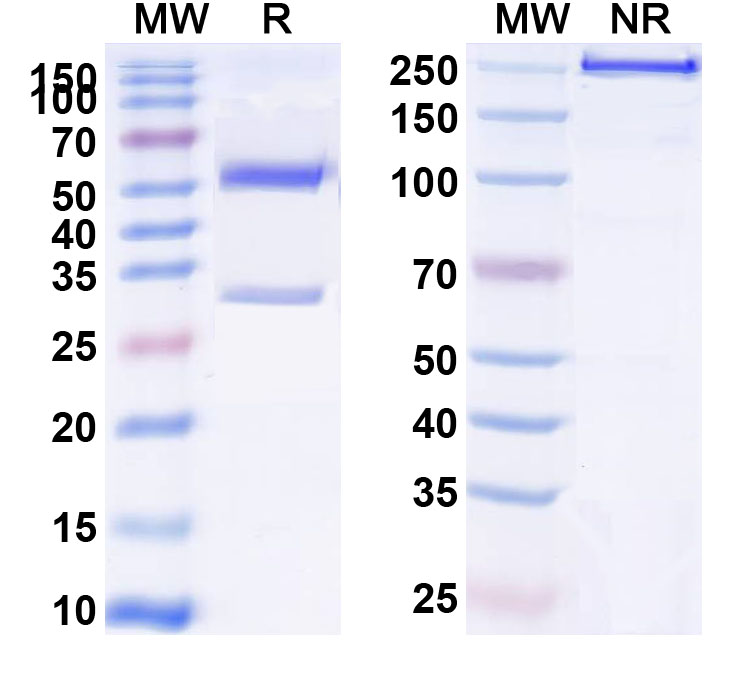
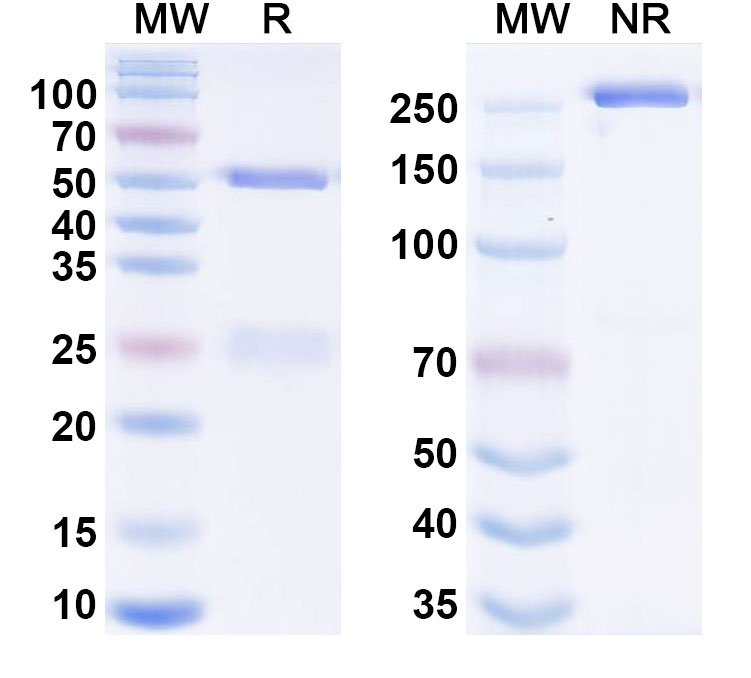
Stapokibart Biosimilar is a recombinant humanized IgG1 monoclonal antibody that is produced using Chinese hamster ovary (CHO) cells. It has a molecular weight of approximately 150 kDa and consists of two heavy chains and two light chains, linked by disulfide bonds. The antibody is composed of four constant regions (CH1, CH2, CH3, and CH4) and two variable regions (VL and VH) that are responsible for antigen binding.
Activity of Stapokibart Biosimilar
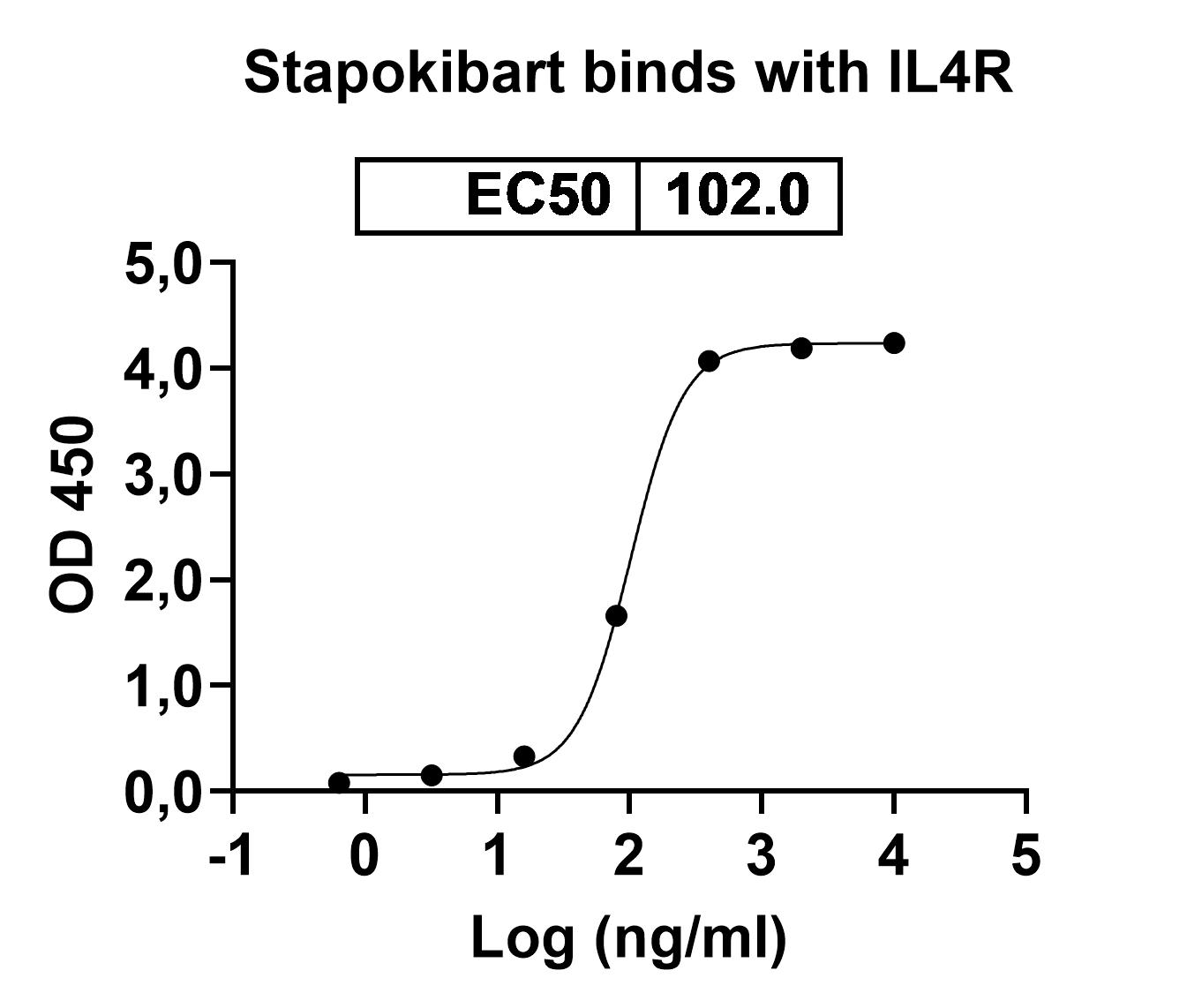
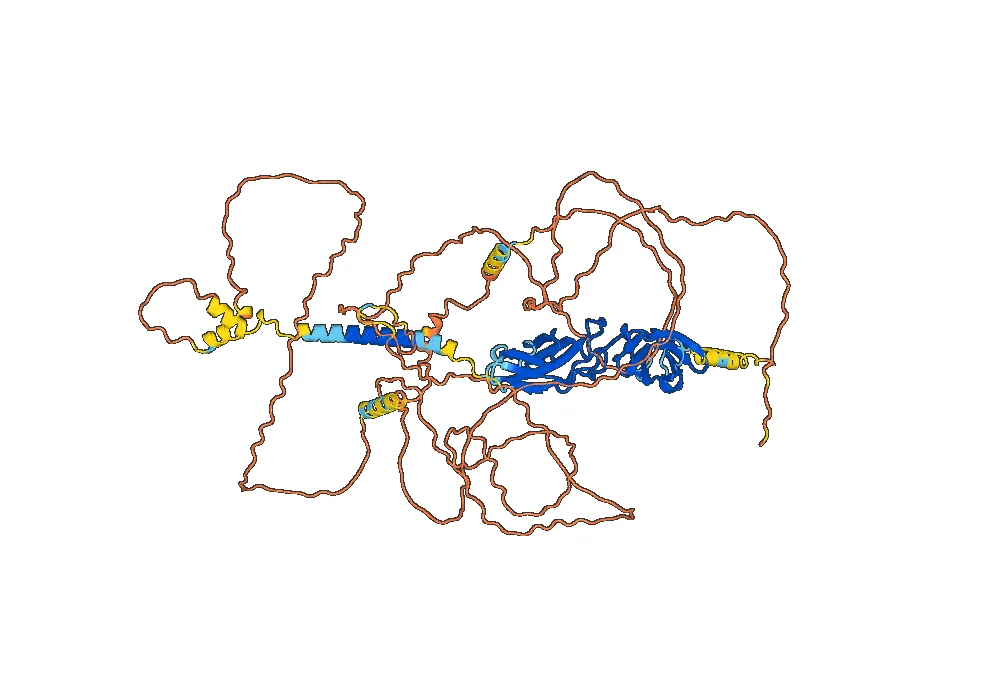
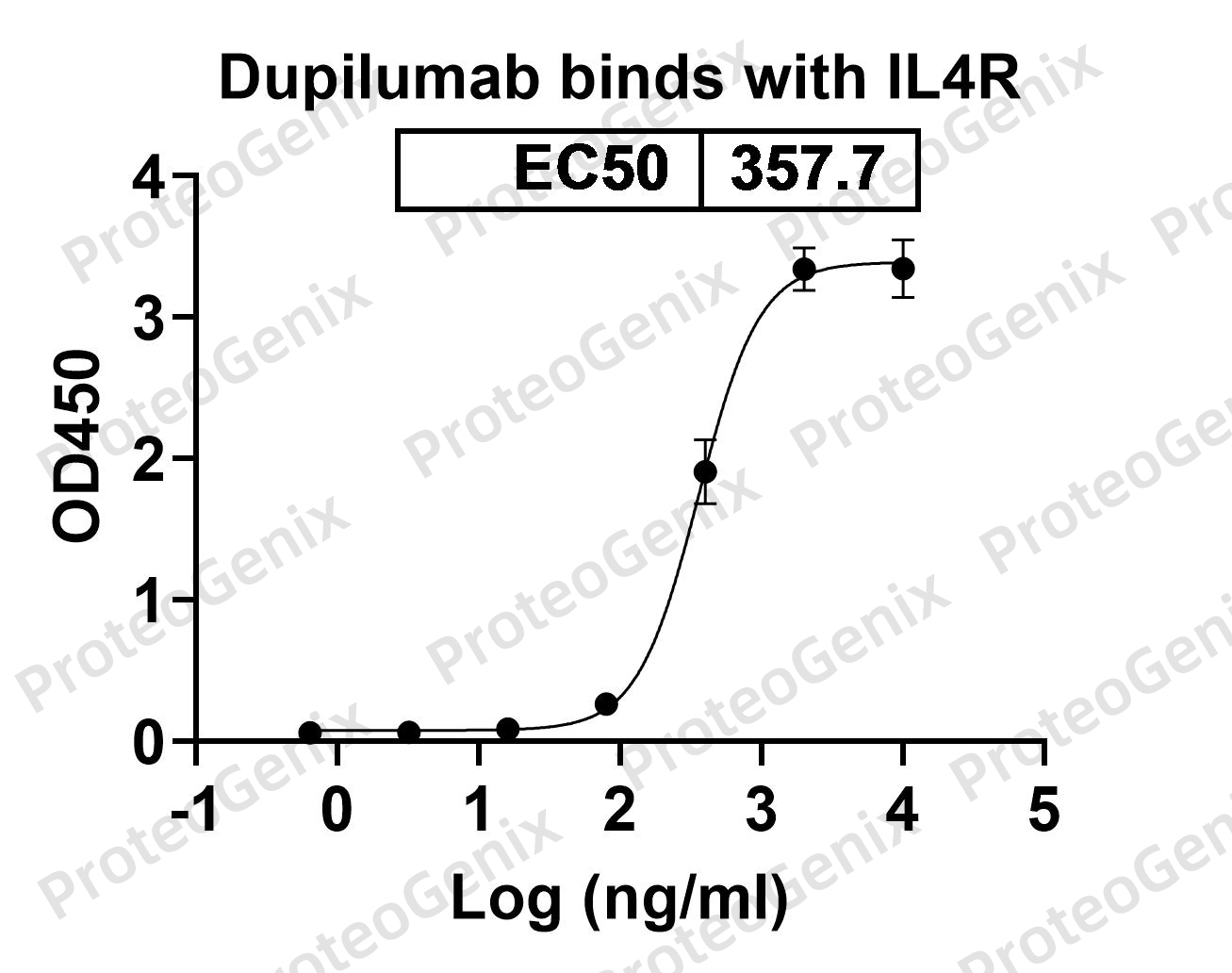
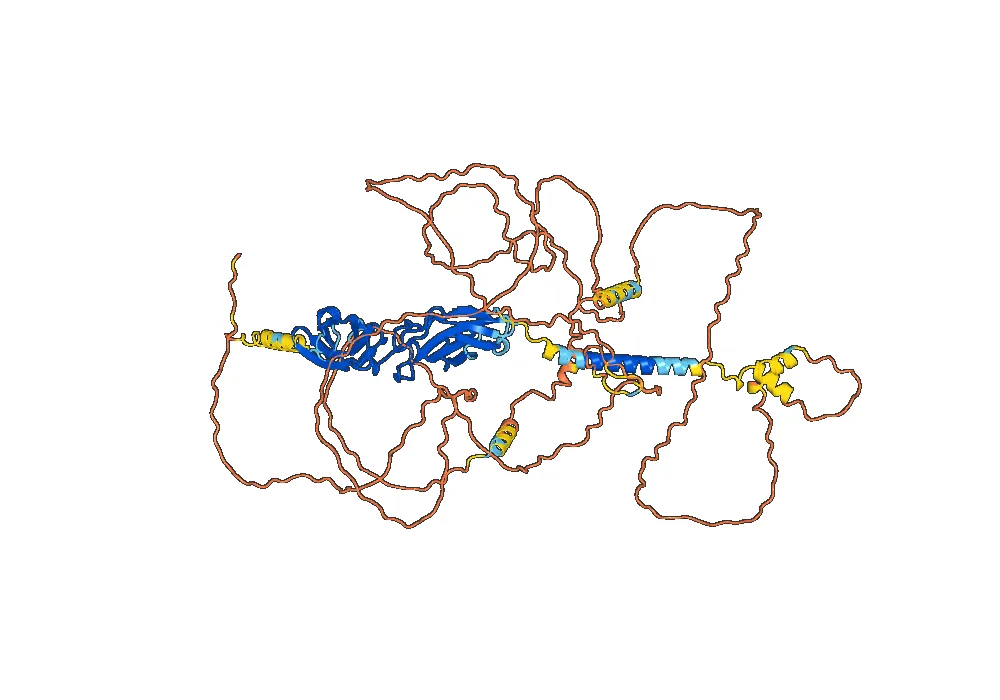
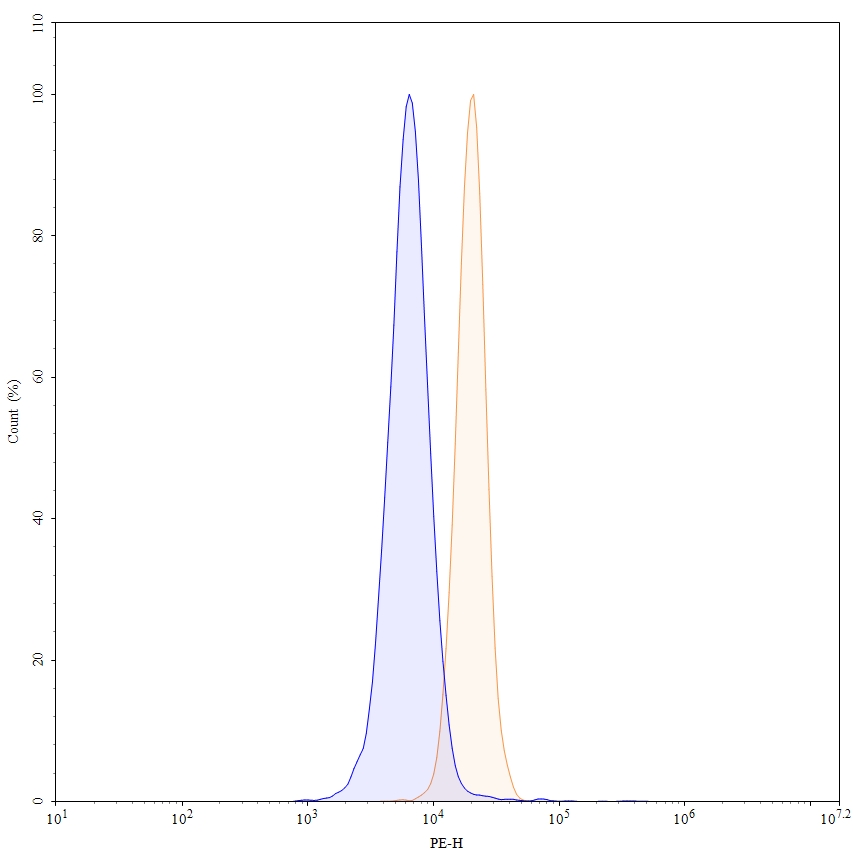
Stapokibart Biosimilar binds specifically to the interleukin-4 receptor alpha (IL-4RA) on the surface of cells. IL-4RA is a transmembrane protein that is expressed on various immune cells, including T cells, B cells, and mast cells. It is a key receptor in the IL-4/IL-13 signaling pathway, which plays a crucial role in the regulation of immune responses.
By binding to IL-4RA, Stapokibart Biosimilar blocks the binding of IL-4 and IL-13, thereby inhibiting downstream signaling events. This results in the suppression of various cytokines and chemokines that are involved in inflammatory and allergic responses. Furthermore, Stapokibart Biosimilar also promotes the differentiation of regulatory T cells, which helps to maintain immune homeostasis.
Application of Stapokibart Biosimilar
Stapokibart Biosimilar has shown promising results in the treatment of various diseases that are associated with dysregulated immune responses. These include allergic diseases such as asthma, atopic dermatitis, and allergic rhinitis, as well as autoimmune diseases such as rheumatoid arthritis and multiple sclerosis.
In a phase II clinical trial, Stapokibart Biosimilar was evaluated for the treatment of moderate to severe asthma. The results showed a significant improvement in lung function and a reduction in asthma exacerbations compared to placebo. Similarly, in a phase III study, Stapokibart Biosimilar demonstrated efficacy in reducing the severity of atopic dermatitis and improving quality of life in patients.
Moreover, Stapokibart Biosimilar has also shown potential in the treatment of autoimmune diseases. In a phase II trial, it was found to be effective in reducing disease activity and improving symptoms in patients with rheumatoid arthritis. In multiple sclerosis, Stapokibart Biosimilar has shown promising results in a phase II study, with a significant decrease in relapse rate and disability progression.
Conclusion
In conclusion, Stapokibart Biosimilar is a research grade anti-IL-4RA monoclonal antibody that has shown great potential in the treatment of various diseases. Its unique structure and mechanism of action make it a promising therapeutic antibody targeting IL-4RA. With further research and clinical trials, Stapokibart Biosimilar has the potential to become a valuable treatment option for patients with allergic and autoimmune diseases.

There are no reviews yet.