Introduction
Lenvervimab Biosimilar, also known as Anti-HBV mAb, is a monoclonal antibody that specifically targets the hepatitis B virus (HBV). This biosimilar is a research grade product that has been developed for the purpose of studying and understanding the structure and activity of HBV, as well as its potential as a therapeutic target. In this article, we will delve into the details of Lenvervimab Biosimilar, its structure, activity, and potential applications.
Structure of Lenvervimab Biosimilar
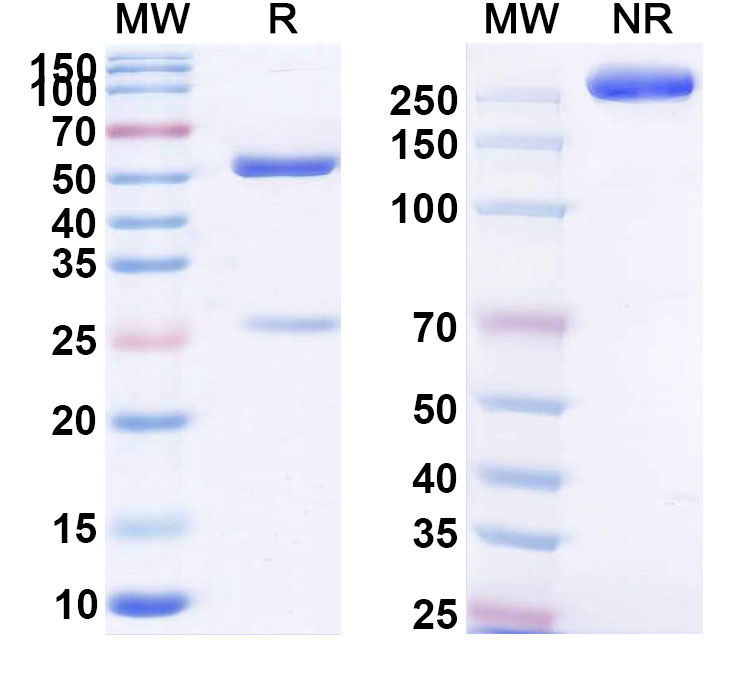
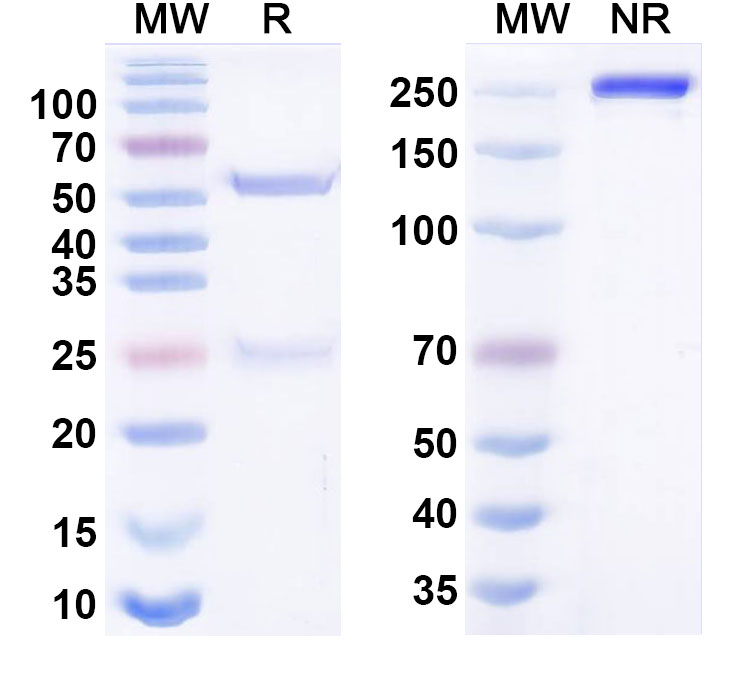
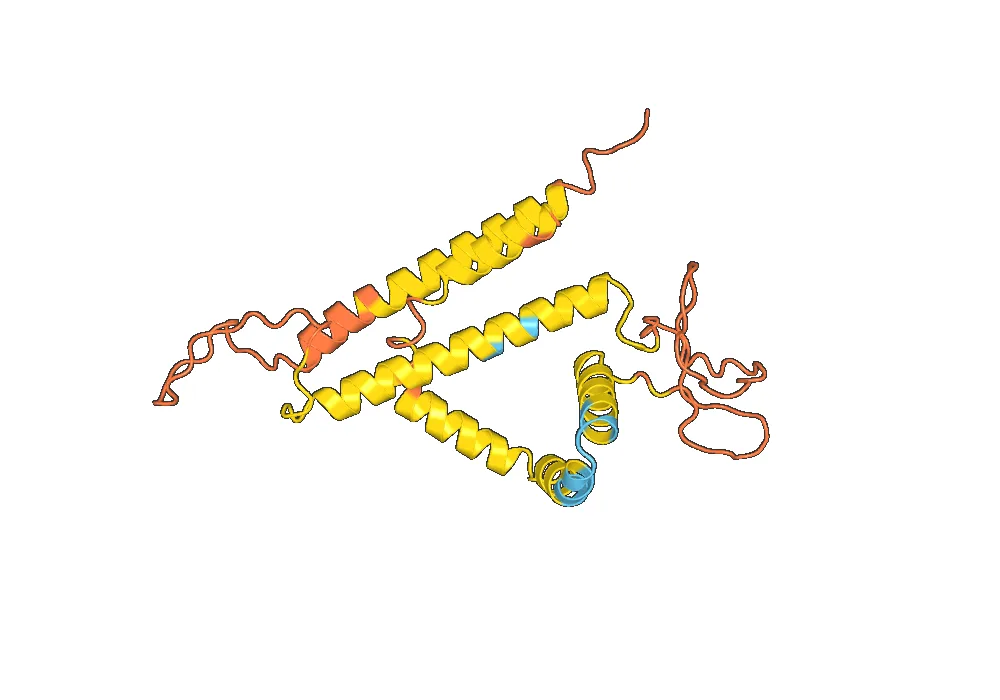
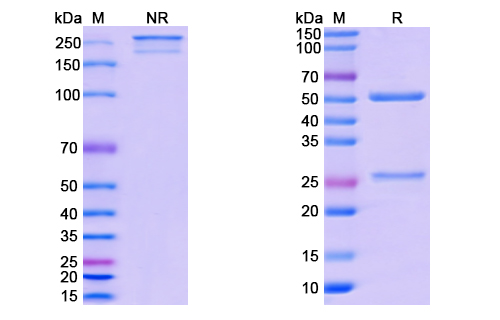
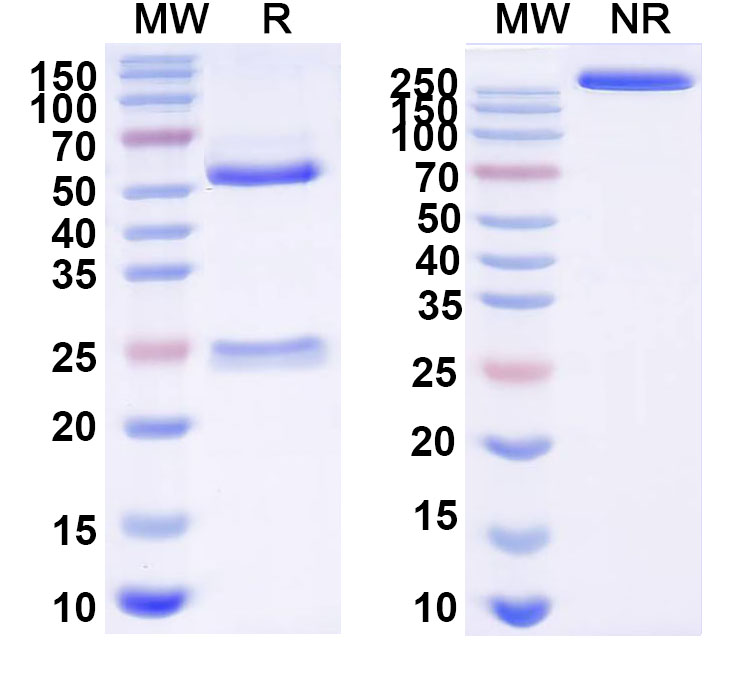
Lenvervimab Biosimilar is a monoclonal antibody, which means it is a laboratory-produced protein that is designed to mimic the natural antibodies produced by the human immune system. It is composed of two identical heavy chains and two identical light chains, held together by disulfide bonds. The heavy and light chains are made up of amino acid sequences that are specific to the targeting of HBV.
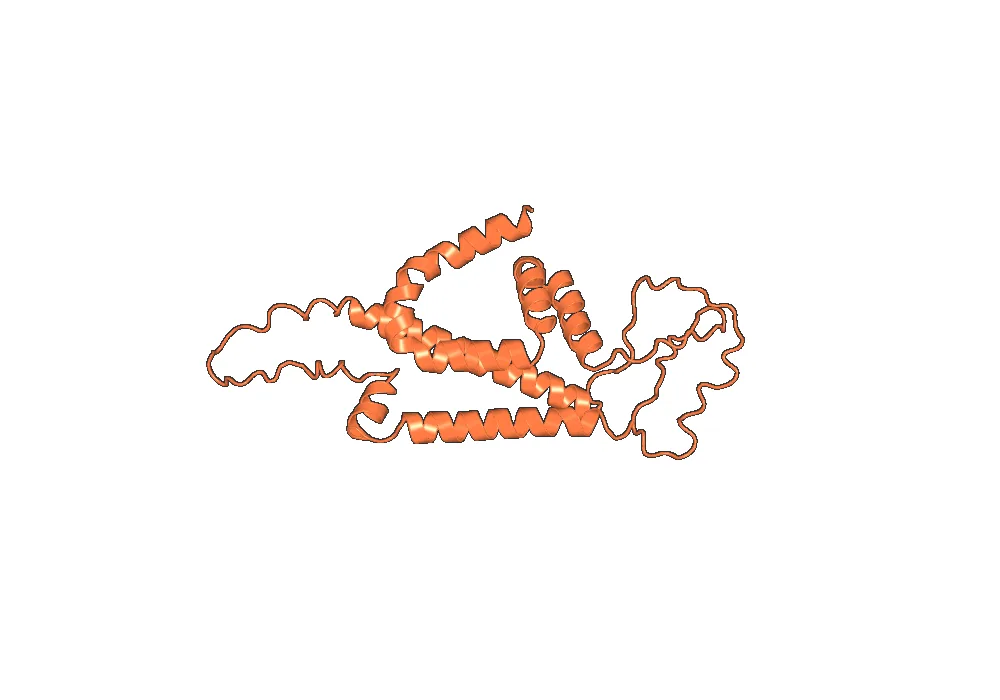
The structure of Lenvervimab Biosimilar is important because it determines its ability to bind to and neutralize the HBV virus. The heavy and light chains contain specific regions called variable regions, which are responsible for recognizing and binding to specific antigens on the surface of the virus. These variable regions are highly specific and unique to Lenvervimab Biosimilar, making it a potent and effective anti-HBV agent.
Activity of Lenvervimab Biosimilar
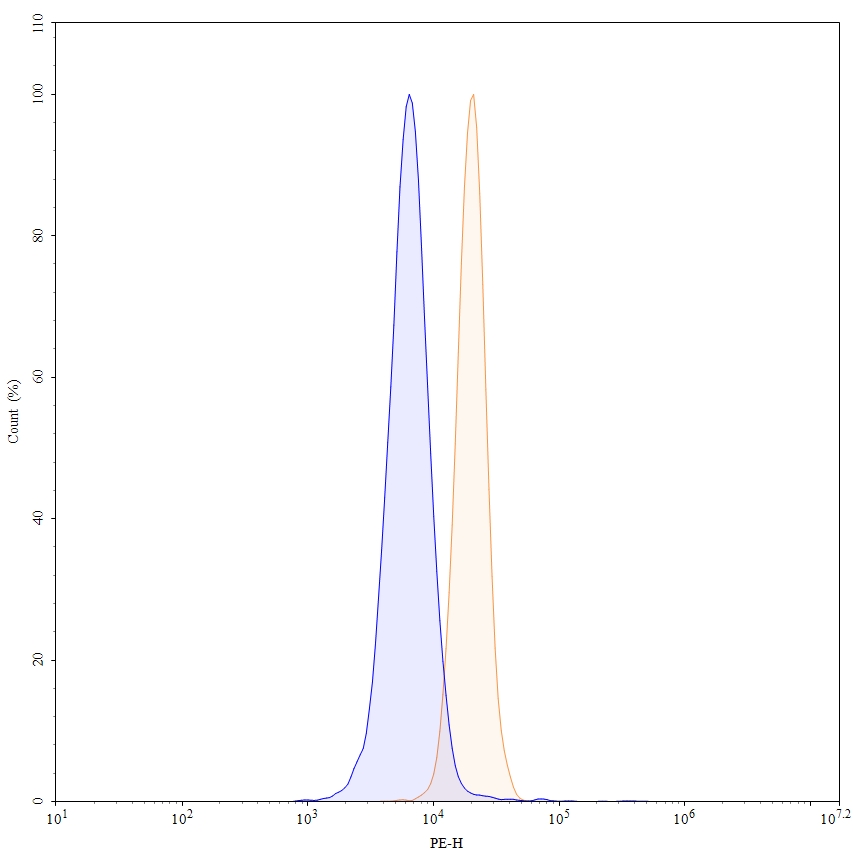
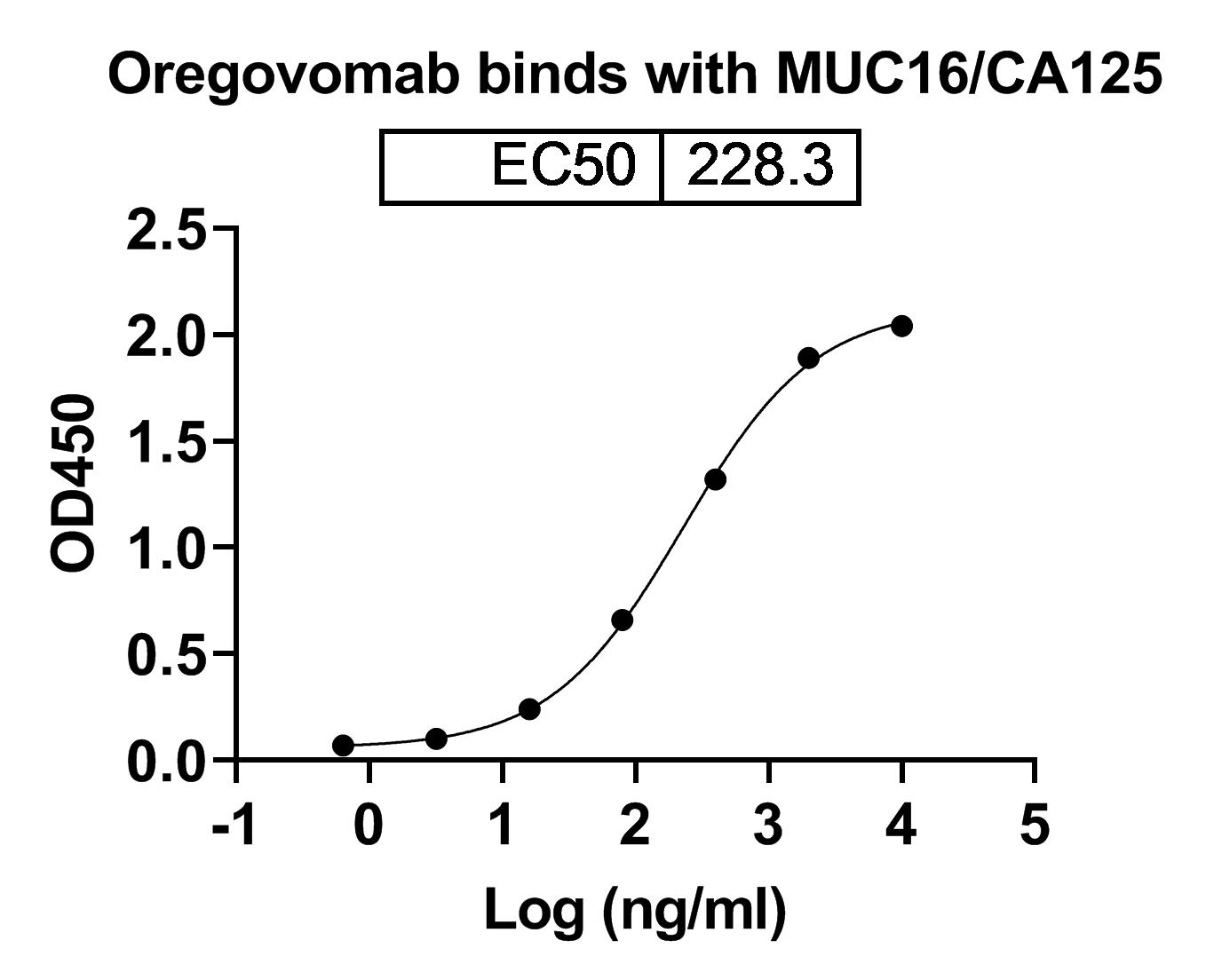
The main activity of Lenvervimab Biosimilar is to bind to the surface antigens of the HBV virus, preventing it from infecting liver cells. This binding also triggers the immune system to recognize and destroy the virus, ultimately leading to its clearance from the body.
Additionally, Lenvervimab Biosimilar has been shown to have a neutralizing effect on the HBV virus, meaning it can prevent the virus from replicating and spreading to other cells. This is a crucial activity as it not only helps in clearing the virus from the body, but also in preventing its recurrence.
Moreover, Lenvervimab Biosimilar has been found to have a long half-life, meaning it stays in the body for an extended period of time, providing sustained protection against HBV infection. This makes it a promising agent for potential therapeutic use.
Application of Lenvervimab Biosimilar
As a research grade product, Lenvervimab Biosimilar has various applications in the study of HBV. It can be used to understand the structure and function of the virus, as well as the mechanisms of action of the antibody itself. This can aid in the development of new and improved treatments for HBV infection.
Moreover, Lenvervimab Biosimilar can also be used in pre-clinical studies to assess its safety and efficacy as a potential therapeutic agent. Its high specificity and potency make it a promising candidate for the treatment of HBV infection, which affects millions of people worldwide.
Furthermore, Lenvervimab Biosimilar can also be used in diagnostic assays to detect and measure the levels of HBV in the body. This can aid in monitoring the progression of the disease and the effectiveness of treatment.
Conclusion
In conclusion, Lenvervimab Biosimilar is a research grade monoclonal antibody that specifically targets the HBV virus. Its unique structure and potent activity make it a valuable tool in the study of HBV and its potential as a therapeutic target. With further research and development, Lenvervimab Biosimilar has the potential to greatly impact the treatment and management of HBV infection.
There are no reviews yet.