Introduction
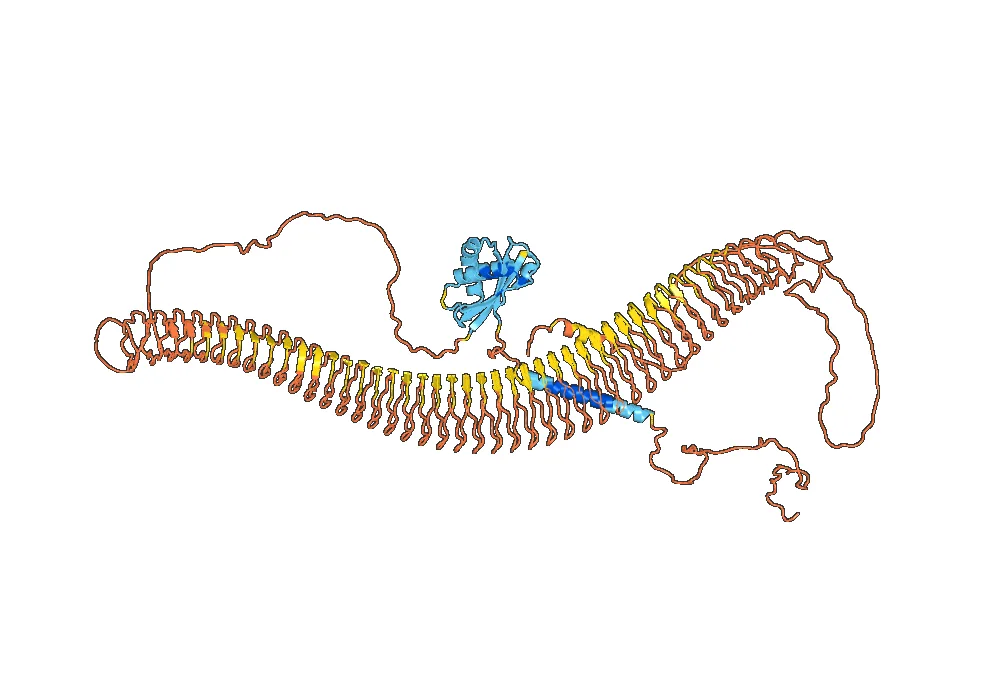
Sontuzumab Biosimilar, also known as Anti-MUC1 or CD227 mAb, is a monoclonal antibody that has been developed as a biosimilar to the therapeutic antibody Sontuzumab. This antibody specifically targets the MUC1 protein, which is overexpressed in many types of cancer, making it a promising therapeutic target for cancer treatment. In this article, we will discuss the structure, activity, and potential applications of Sontuzumab Biosimilar in research.
Structure of Sontuzumab Biosimilar
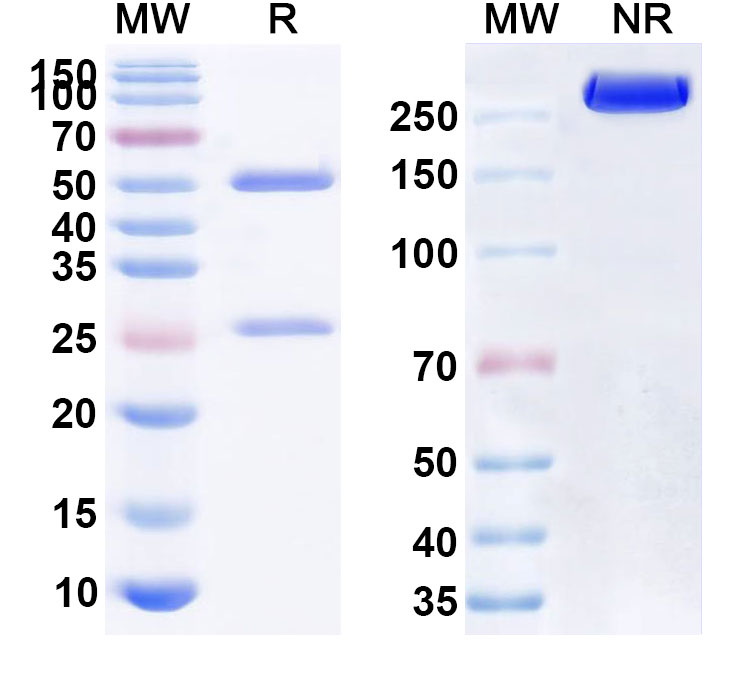
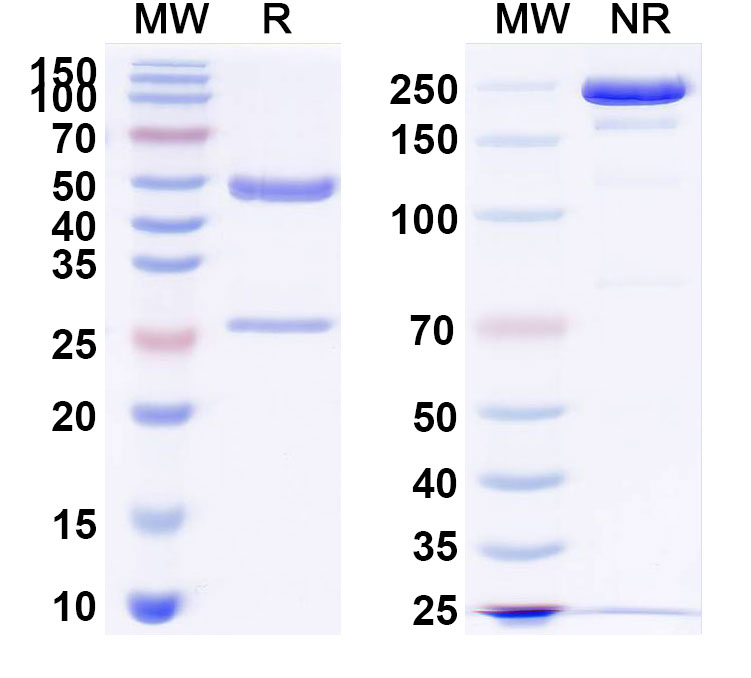
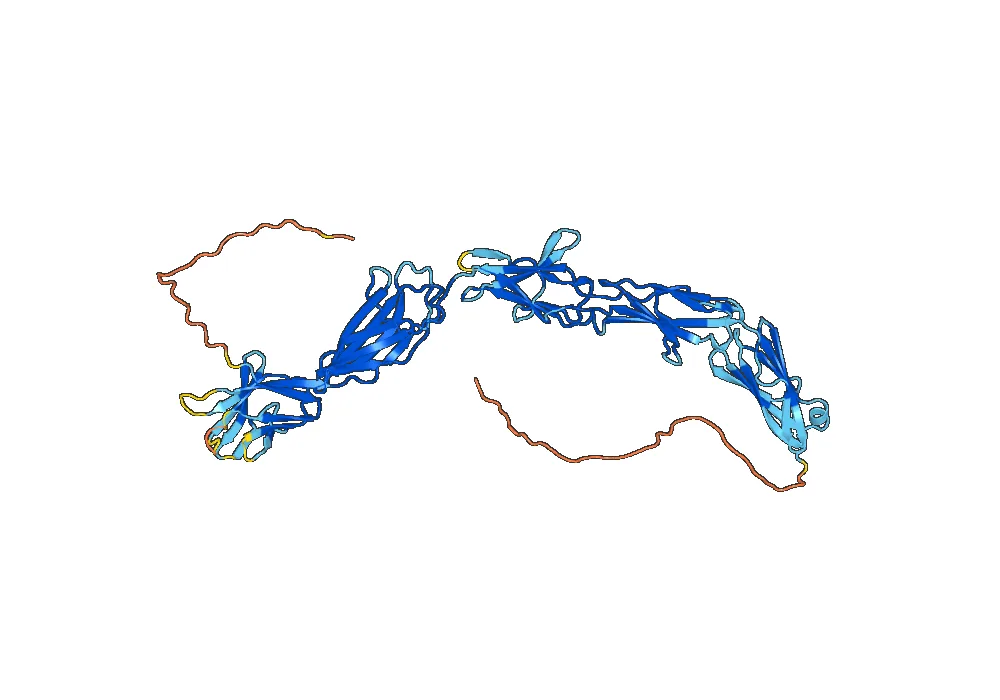
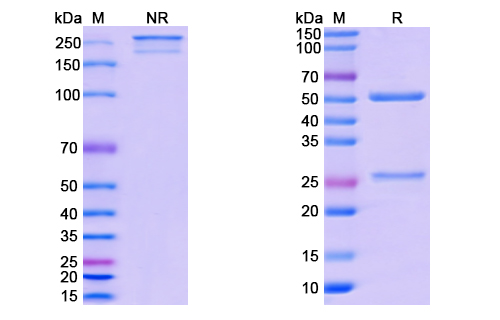
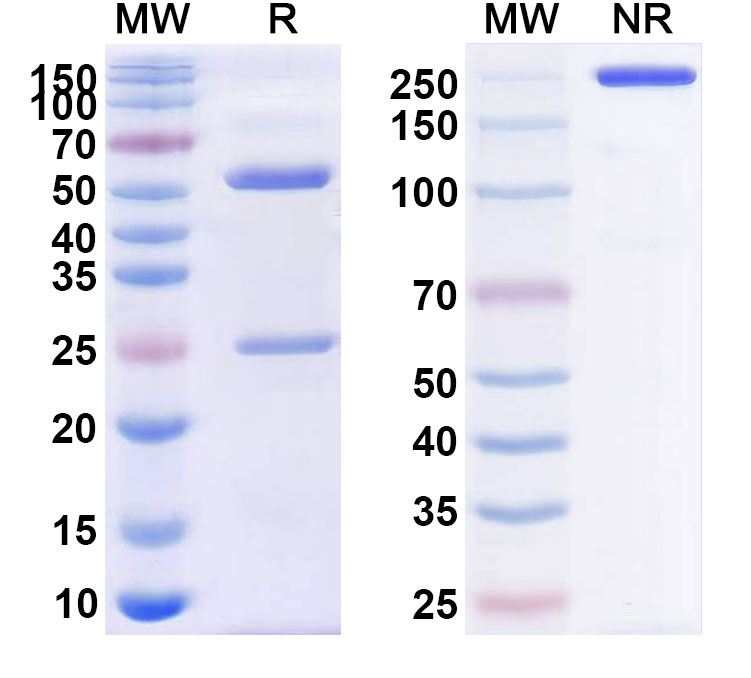
Sontuzumab Biosimilar is a humanized monoclonal antibody, meaning it is derived from both human and non-human sources. It is composed of two identical heavy chains and two identical light chains, each containing a variable region and a constant region. The variable region is responsible for binding to the MUC1 protein, while the constant region determines the antibody’s effector functions.
Activity of Sontuzumab Biosimilar
Sontuzumab Biosimilar binds to the extracellular domain of the MUC1 protein, which is overexpressed on the surface of cancer cells. This binding inhibits the growth and survival of cancer cells by blocking the interaction between MUC1 and other cell receptors, as well as inducing antibody-dependent cellular cytotoxicity (ADCC) and complement-dependent cytotoxicity (CDC). In addition, Sontuzumab Biosimilar has been shown to enhance the anti-tumor immune response by activating natural killer cells and T cells.
Application of Sontuzumab Biosimilar
Sontuzumab Biosimilar has been primarily developed for use in cancer research, specifically in the treatment of solid tumors. It has shown promising results in preclinical studies, demonstrating its ability to inhibit tumor growth and improve survival in animal models. Additionally, Sontuzumab Biosimilar has been shown to enhance the efficacy of chemotherapy and radiation therapy when used in combination.
Furthermore, Sontuzumab Biosimilar has potential applications in the diagnosis and imaging of cancer. MUC1 is not only overexpressed on the surface of cancer cells, but it is also shed into the bloodstream. This makes it a potential biomarker for cancer detection and monitoring. Sontuzumab Biosimilar can be labeled with a radioactive tracer or fluorescent dye, allowing for the visualization of MUC1-positive tumors in imaging techniques such as positron emission tomography (PET) or fluorescence imaging.
Conclusion
In summary, Sontuzumab Biosimilar is a promising therapeutic antibody that specifically targets the MUC1 protein, which is overexpressed in many types of cancer. Its unique structure and activity make it a valuable tool in cancer research, with potential applications in both treatment and diagnosis. Further studies and clinical trials are needed to fully explore the potential of Sontuzumab Biosimilar in the fight against cancer.


There are no reviews yet.