Cart (0 Items)
Your cart is currently empty.
View ProductsIt looks like you are visiting from outside the EU. Switch to the US version to see local pricing in USD and local shipping.
Switch to US ($)Original price was: €171.00.€140.00Current price is: €140.00.
50ug 18% OFF + 140 loyalty points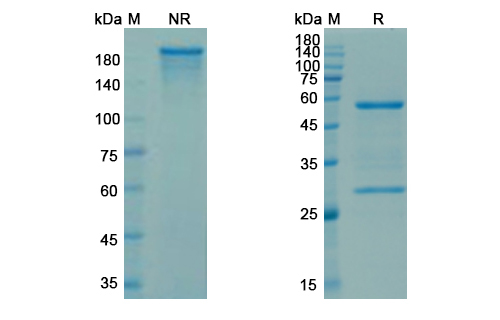
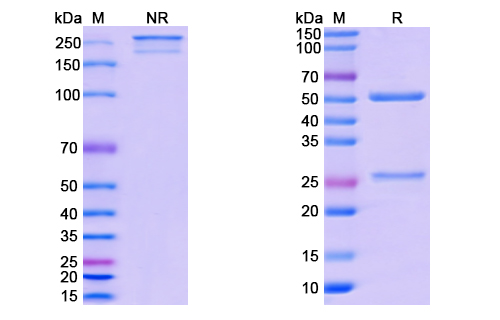
Sibrotuzumab Biosimilar - Anti-FAP;FAPalpha mAb - Research Grade on SDS-PAGE under reducing and non-reducing conditions. The gel was stained overnight with Coomassie Blue.. The purity of the antibody is greater than 95%.
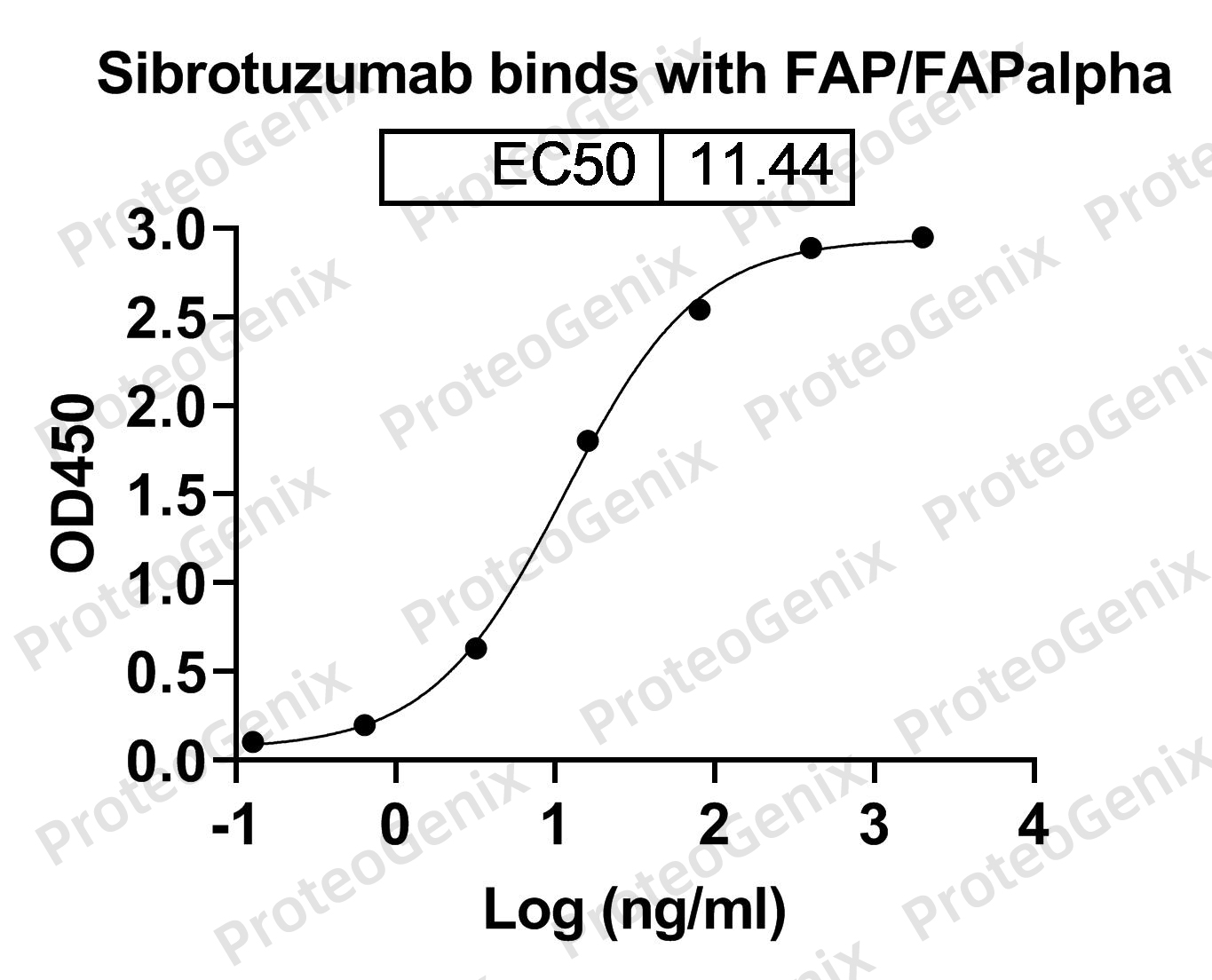
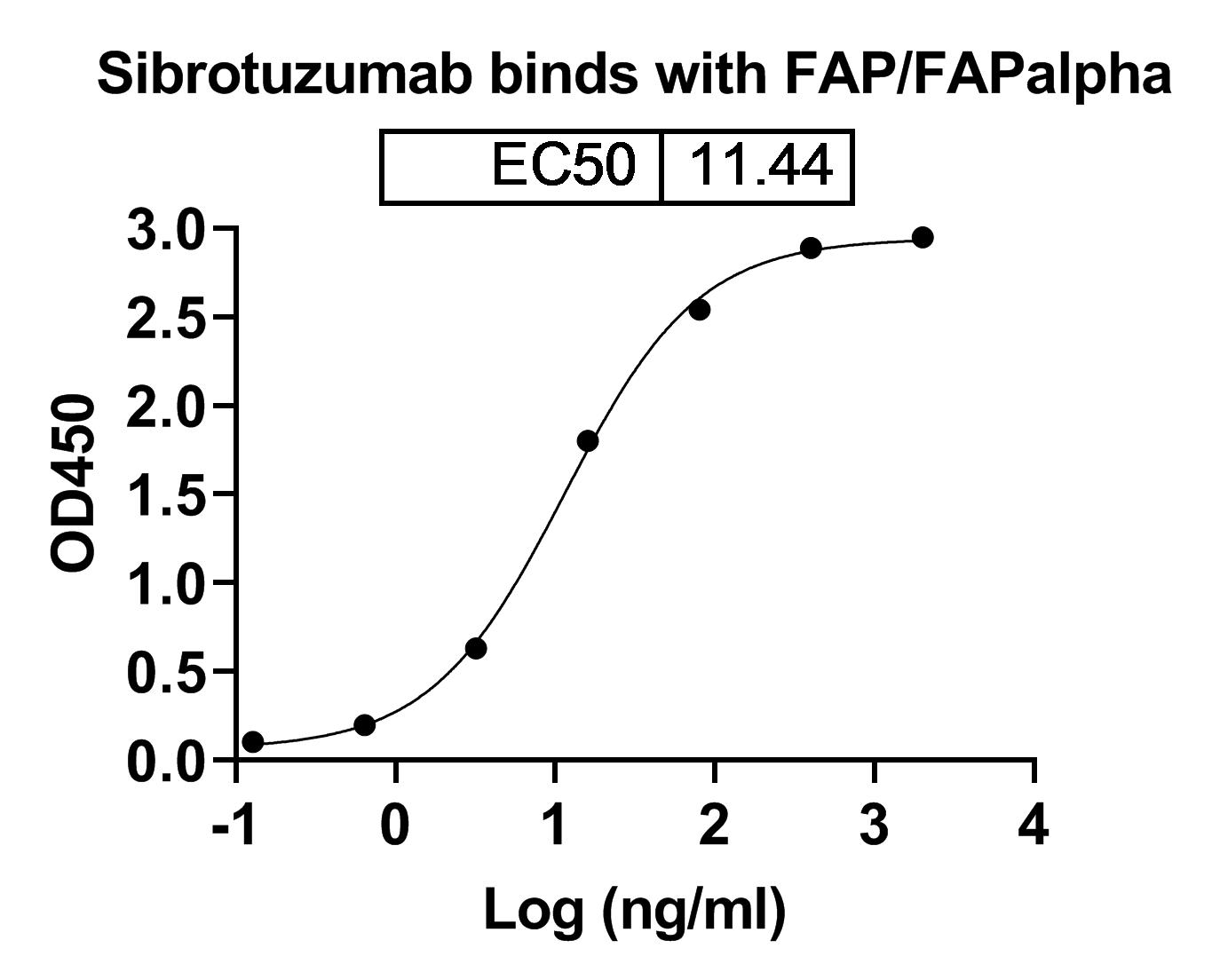
Immobilized Microfibrillar-associated protein 2(MFAP2) (cat. No.PX-P4659) at 0.5µg/mL (100µL/well) can bind to Sibrotuzumab Biosimilar - Anti-FAP mAb (cat. No.PX-TA1203) in indirect ELISA with Goat Anti-Human IgG secondary antibody coupled with HRP measured by OD450
Sibrotuzumab Biosimilar - Anti-FAP;FAPalpha mAb - Research Grade was analyzed by size exclusion chromatography with UV detection.
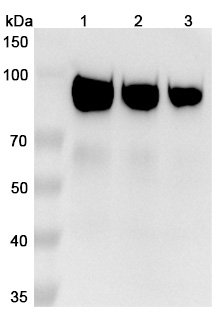
Human FAP Recombinant Protein, C-His(cat. No.ARO-P21322) can bind Sibrotuzumab Biosimilar - Anti-FAP;FAPalpha mAb - Research Grade in Western Blot Assay as detected on gel analysis.
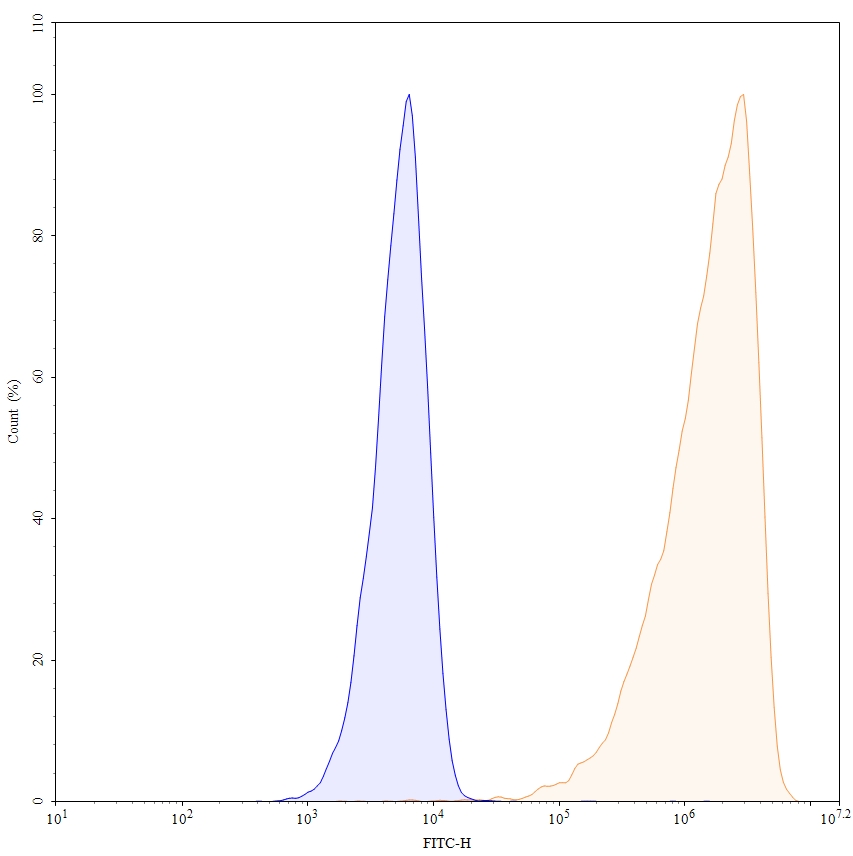
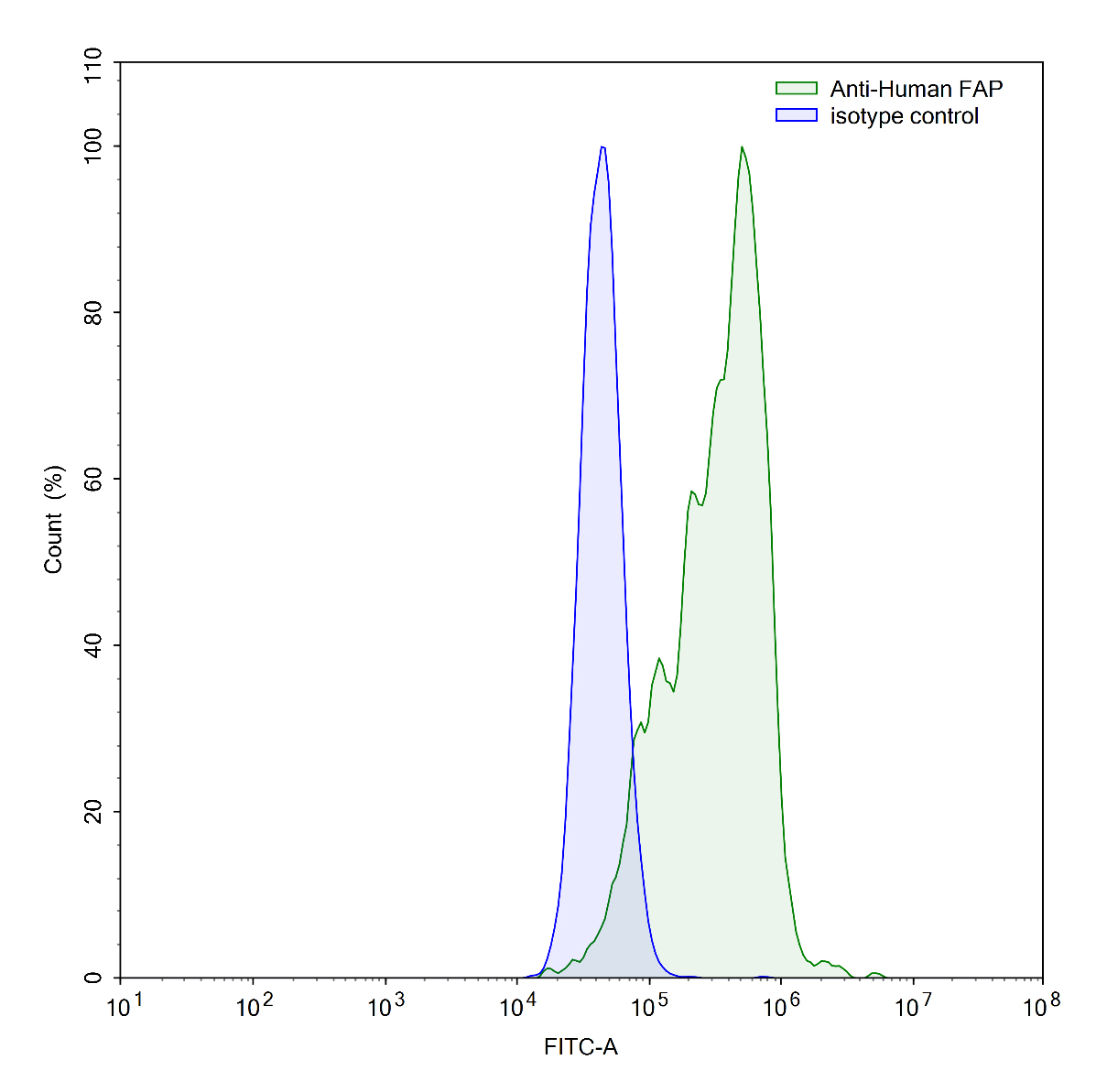
Flow-cytometry using anti-human FAP antibody. Untransfected cells (blue Histogram) and Transfected cells (Yellow Histogram) were stained with an anti-human FAP monoclonal antibody (Catalog: PX-TA1203) at a concentration of 5 µg/ml for 30 mins at RT. After washing, bound antibody was detected using a Goat Anti-Human IgG H&L Polyclonal Antibody, FITC (abinScience: PTX18862) and cells analysed on a NovoCyte Flow Cytometer.
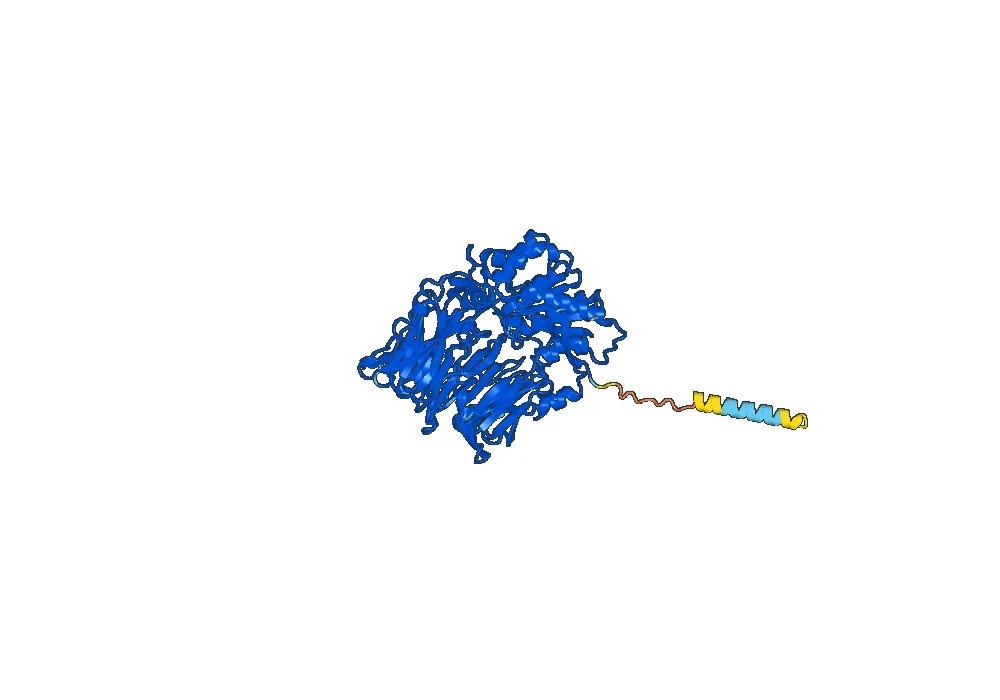

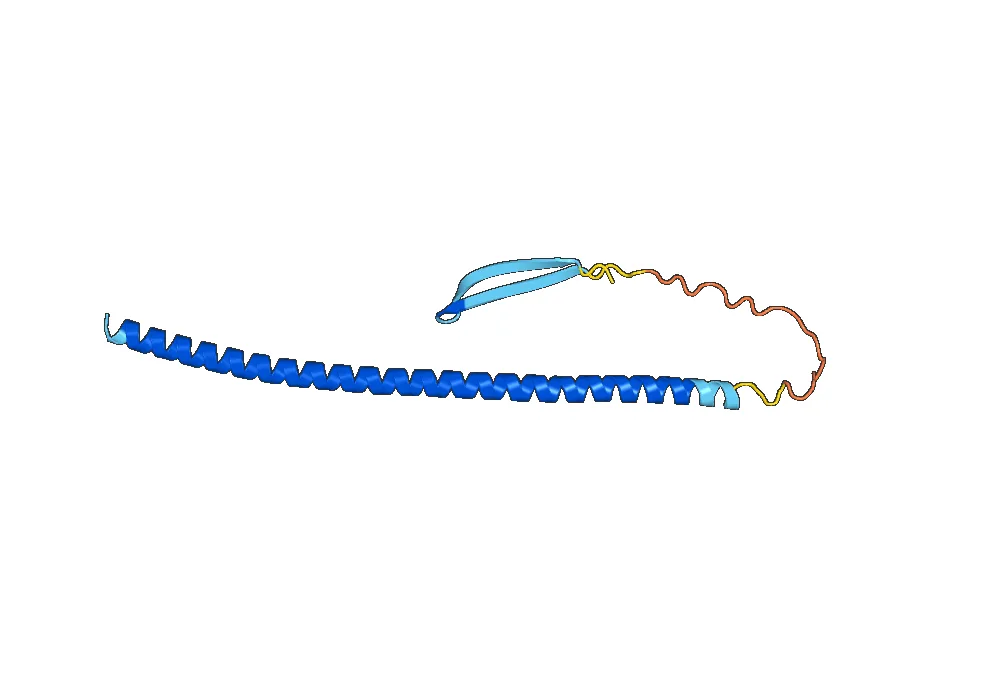
PX-P5728
KPTX244
ARO-A13279

PTX19917
Our catalog doesn’t cover everything — but our team does. Whether you need a custom antibody, a specific protein variant, or a bulk order, our scientists are here to help.
There are no reviews yet.