Title: Understanding the Structure and Function of Ruplizumab Biosimilar – Anti-CD40LG mAb
Introduction
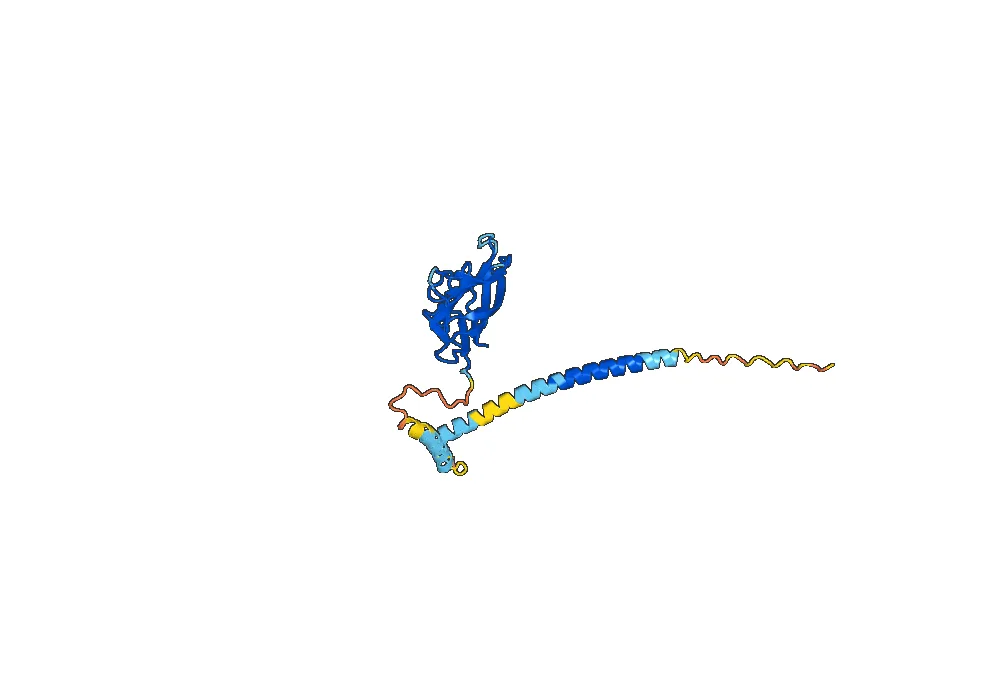
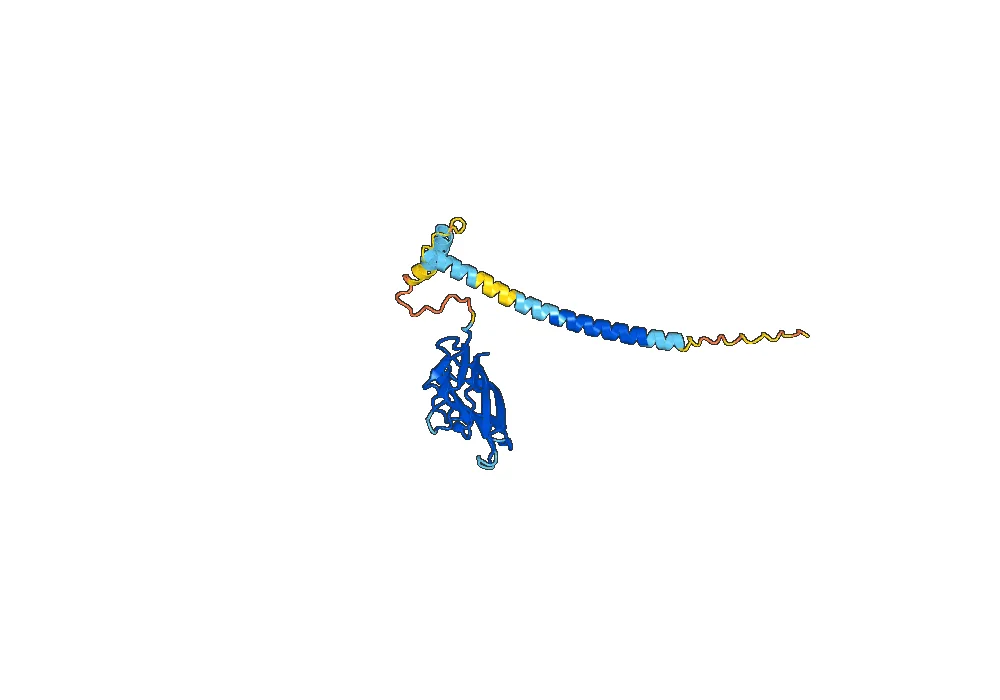
Ruplizumab Biosimilar – Anti-CD40LG mAb is a promising therapeutic antibody that targets CD40 ligand (CD40LG), a protein involved in immune response and inflammation. This biosimilar is a research grade version of the original Ruplizumab, which has shown promising results in clinical trials for treating autoimmune diseases. In this article, we will delve into the structure, activity, and potential applications of Ruplizumab Biosimilar, highlighting its potential as a therapeutic antibody.
Structure of Ruplizumab Biosimilar
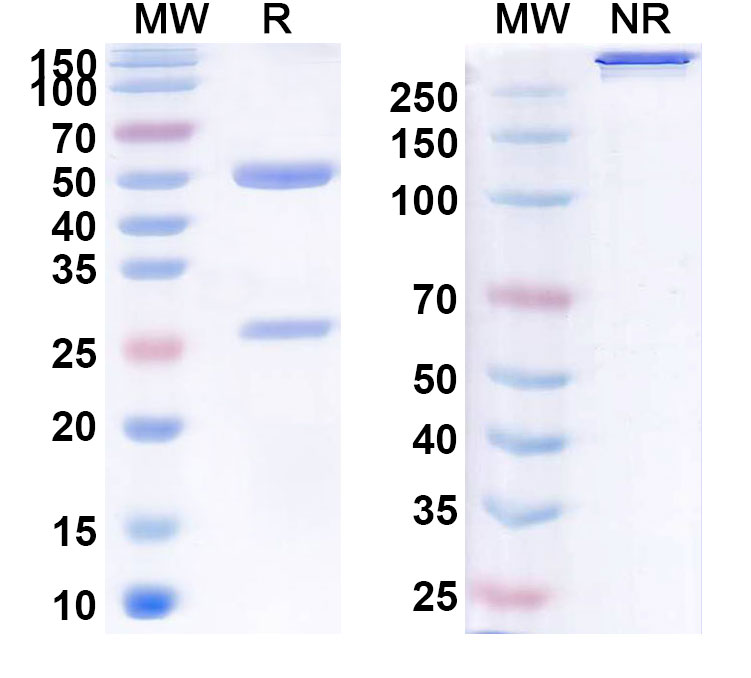
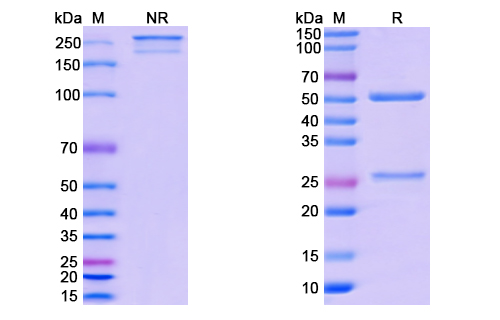
Ruplizumab Biosimilar is a monoclonal antibody (mAb) that specifically targets CD40LG. It is a recombinant human IgG1 antibody, with a molecular weight of approximately 150 kDa. The antibody is composed of two heavy chains and two light chains, each containing a variable region and a constant region. The variable regions are responsible for binding to the target antigen, while the constant regions determine the effector functions of the antibody.
Activity of Ruplizumab Biosimilar
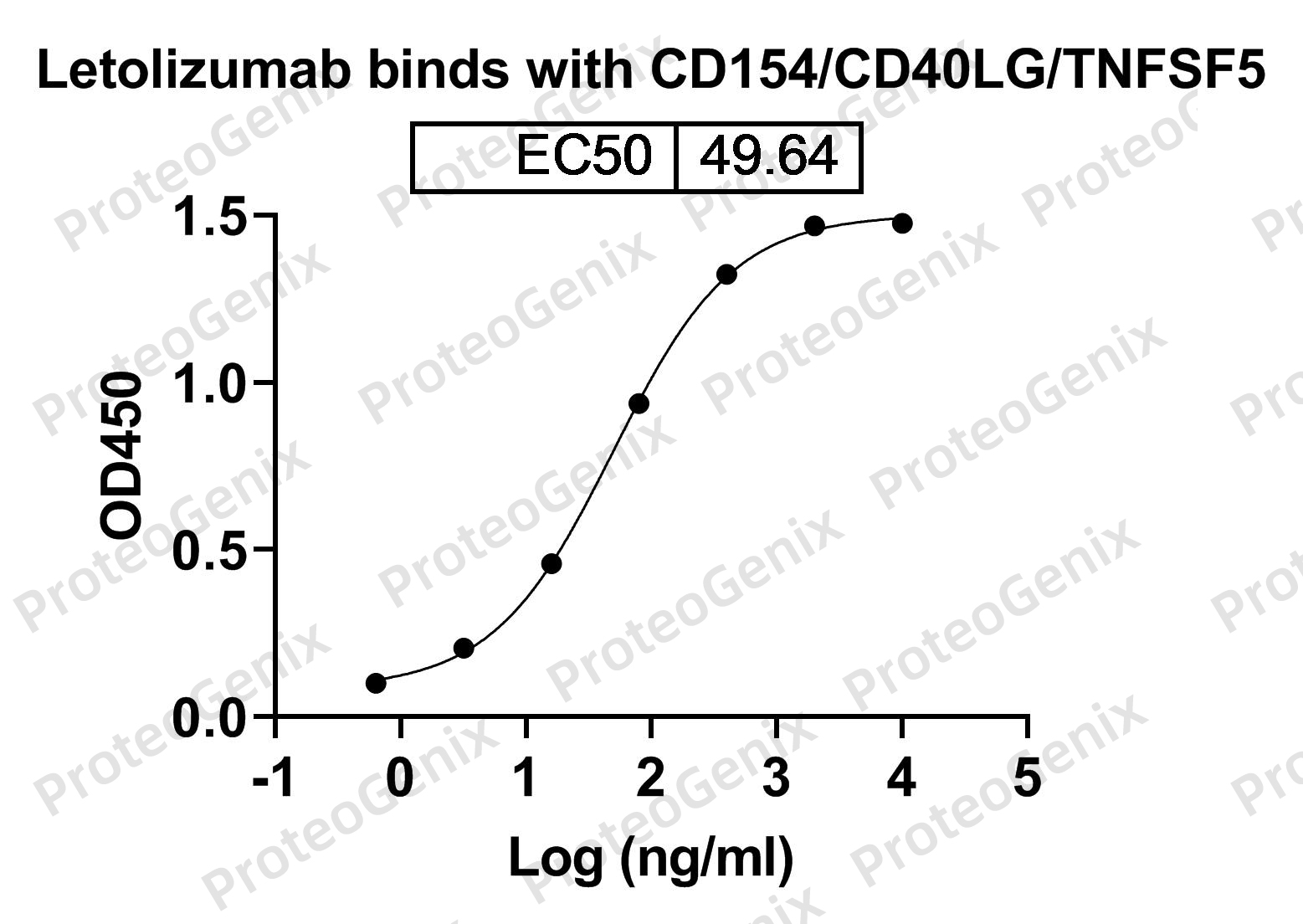
As an anti-CD40LG mAb, Ruplizumab Biosimilar works by binding to CD40LG and blocking its interaction with its receptor, CD40. This interaction is crucial for the activation of immune cells, such as B cells, T cells, and dendritic cells. By blocking this interaction, Ruplizumab Biosimilar inhibits the activation of these immune cells, leading to a decrease in inflammation and autoimmune response. Additionally, Ruplizumab Biosimilar has been shown to induce the death of CD40LG-expressing cells, further contributing to its anti-inflammatory effects.
Potential Applications of Ruplizumab Biosimilar
Ruplizumab Biosimilar has shown promising results in preclinical studies and clinical trials for the treatment of autoimmune diseases. These include systemic lupus erythematosus, rheumatoid arthritis, and multiple sclerosis. In a phase II clinical trial, Ruplizumab Biosimilar was found to significantly reduce disease activity in patients with systemic lupus erythematosus, with a favorable safety profile. This highlights the potential of Ruplizumab Biosimilar as a therapeutic option for autoimmune diseases.
Advantages of Ruplizumab Biosimilar
Compared to the original Ruplizumab, the biosimilar version offers several advantages. Firstly, it is more cost-effective, making it more accessible to patients. Additionally, as a research grade version, Ruplizumab Biosimilar can be used for preclinical studies and in vitro experiments, providing a valuable tool for researchers studying the role of CD40LG in various diseases. Moreover, the biosimilar version has shown comparable efficacy and safety to the original Ruplizumab, making it a viable alternative for patients.
Conclusion
In summary, Ruplizumab Biosimilar – Anti-CD40LG mAb is a promising therapeutic antibody that targets CD40LG and has shown potential for the treatment of autoimmune diseases. Its unique structure and mechanism of action make it a valuable tool for researchers and a promising treatment option for patients. With further research and clinical trials, Ruplizumab Biosimilar could potentially become a widely used therapeutic antibody, improving the lives of those with autoimmune diseases.
There are no reviews yet.