Rulonilimab Biosimilar: A Promising Anti-PD1 mAb for
Cancer Therapy
Rulonilimab Biosimilar, also known as Anti-PD1 monoclonal antibody (mAb), is a novel therapeutic agent that has shown promising results in cancer treatment. This biosimilar is designed to target the programmed cell death protein 1 (PD1) receptor, which is a key player in the immune evasion mechanism of cancer cells. In this article, we will discuss the structure, activity, and potential applications of Rulonilimab Biosimilar in cancer therapy.
Structure of Rulonilimab Biosimilar
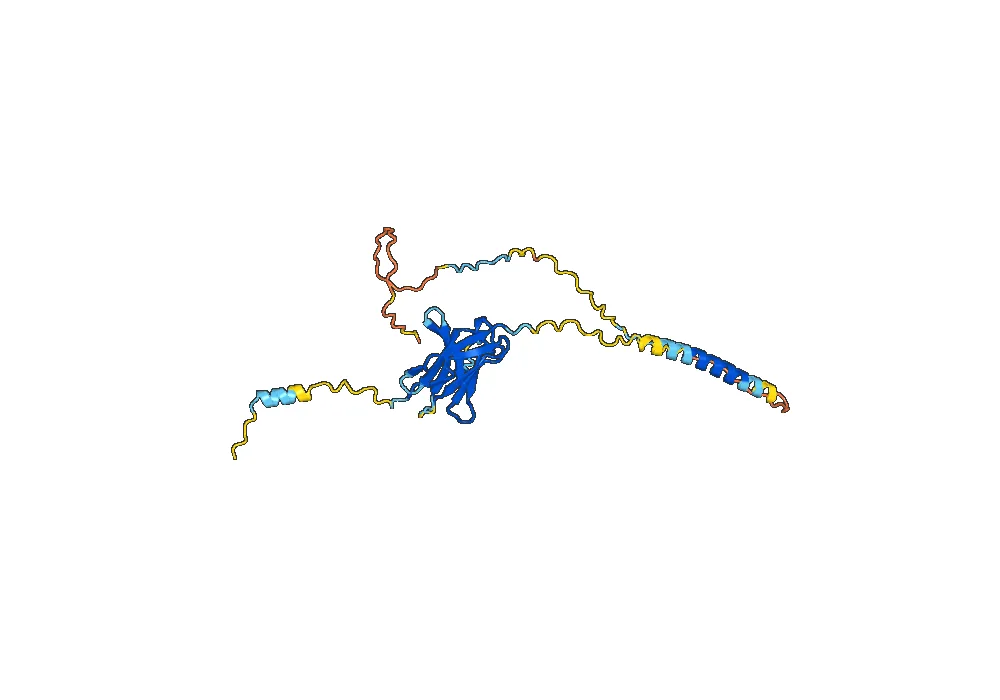
Rulonilimab Biosimilar is a recombinant humanized monoclonal antibody that is produced using advanced biotechnological methods. It is a biosimilar of the original Rulonilimab, which is a fully humanized anti-PD1 mAb. The biosimilar has a similar structure to the original drug, with a few minor differences in the amino acid sequence. This allows for a high degree of similarity in terms of activity and efficacy.
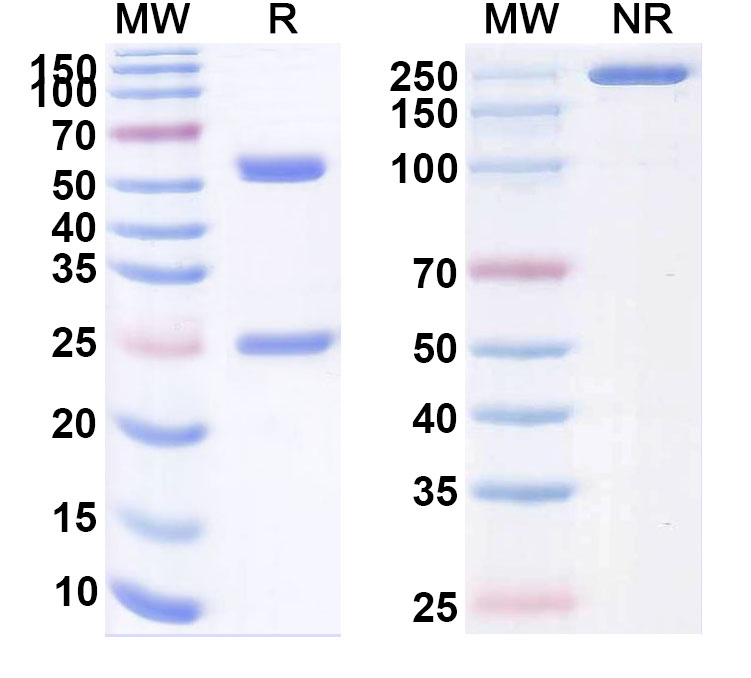
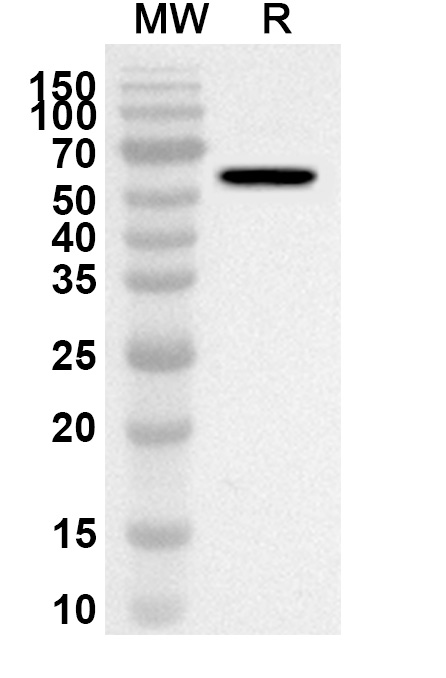
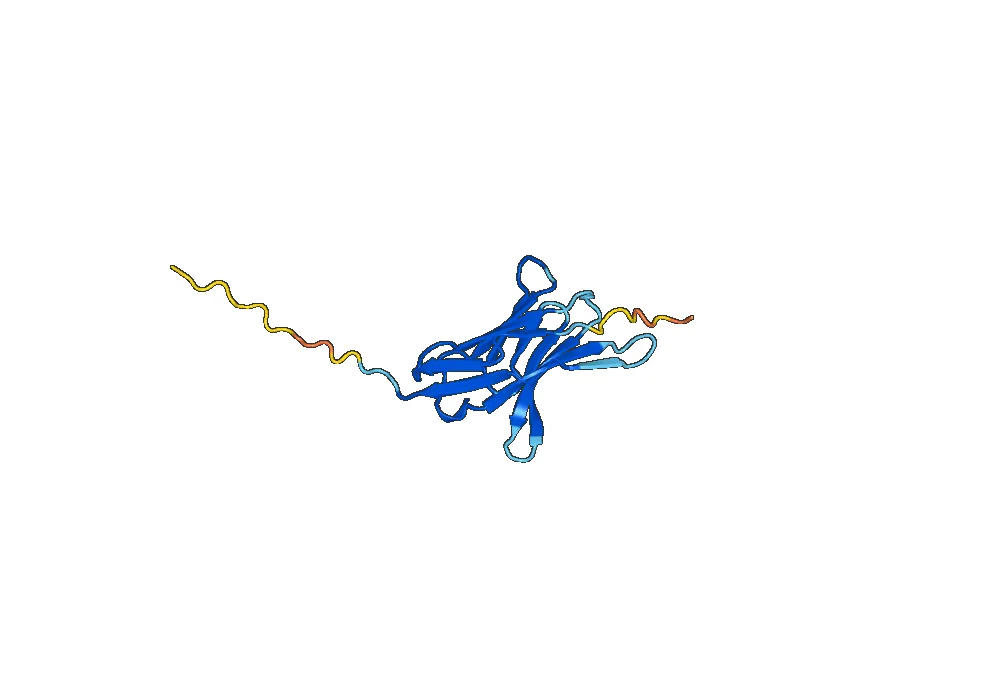
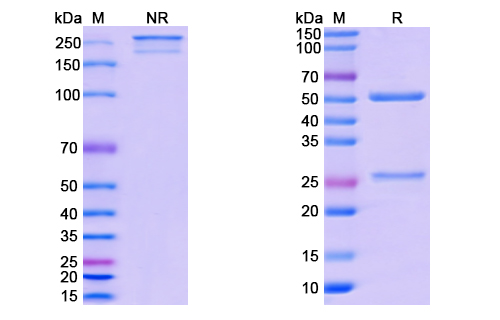
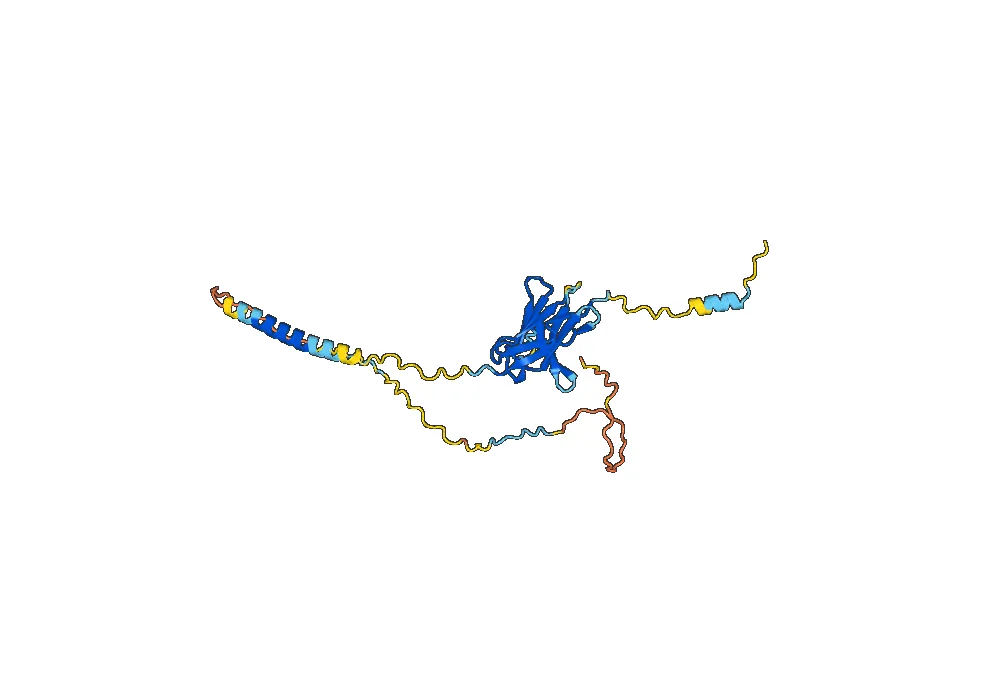
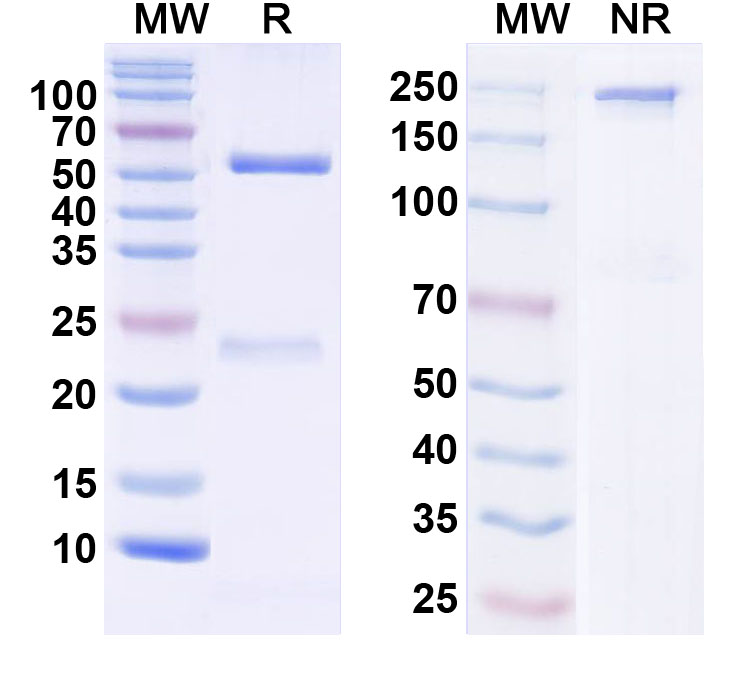
The antibody has a molecular weight of approximately 150 kDa and is composed of two heavy chains and two light chains. The heavy chains are connected to each other through disulfide bonds, while the light chains are linked to the heavy chains through non-covalent interactions. The variable regions of the antibody are responsible for binding to the PD1 receptor, while the constant regions play a role in immune effector functions.
Activity of Rulonilimab Biosimilar
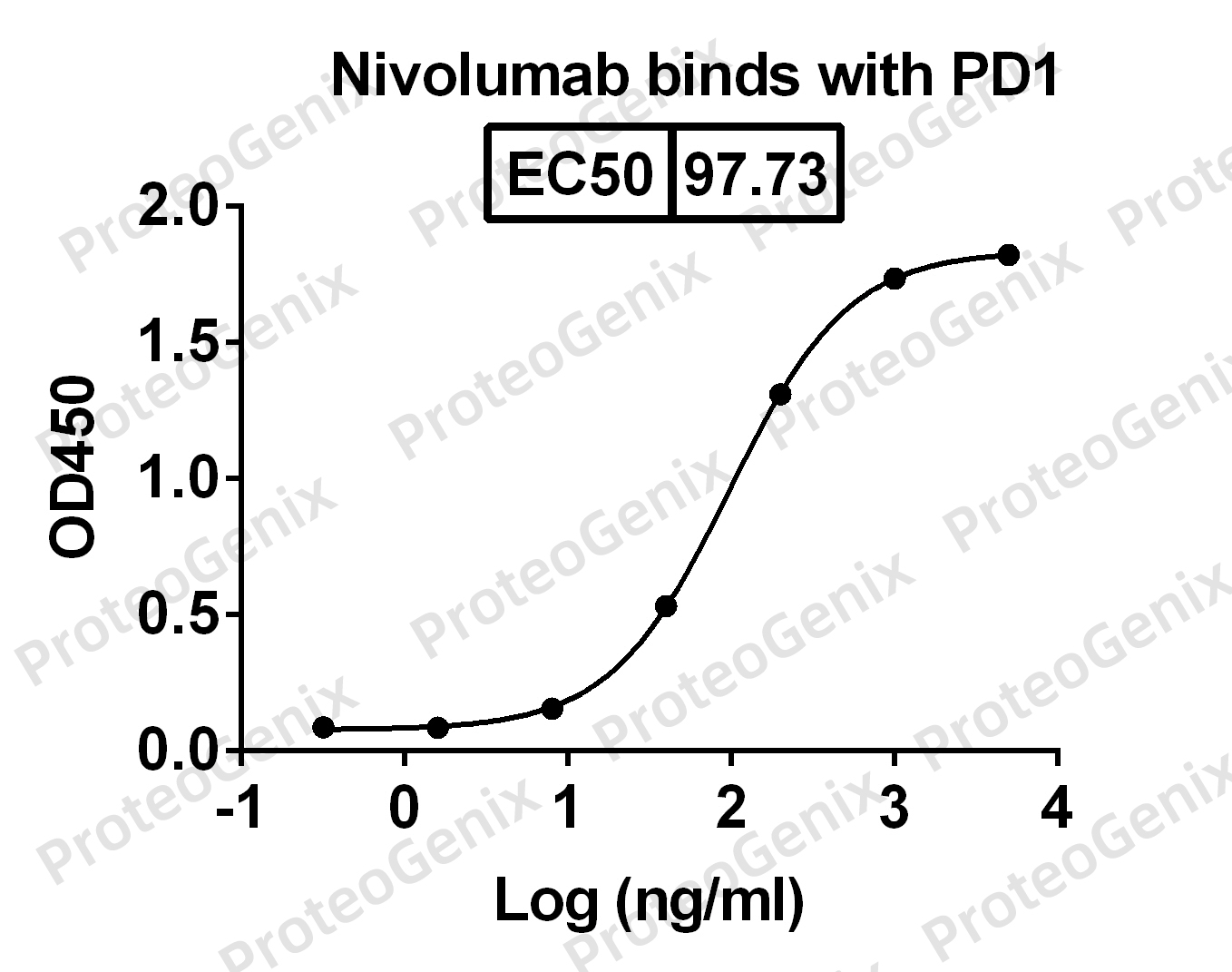
The main activity of Rulonilimab Biosimilar is its ability to block the PD1 receptor and prevent its interaction with its ligands, PD-L1 and PD-L2. This receptor-ligand interaction is known to inhibit the activation of T cells and promote immune evasion in cancer cells. By blocking this interaction, Rulonilimab Biosimilar enhances the function of T cells and promotes anti-tumor immune responses.
In addition to its direct effects on the PD1 receptor, Rulonilimab Biosimilar also has immune effector functions that contribute to its anti- cancer activity. These include antibody-dependent cell-mediated cytotoxicity (ADCC) and complement-dependent cytotoxicity (CDC). These mechanisms involve the recruitment and activation of immune cells, such as natural killer cells and macrophages, to destroy cancer cells.
Applications of Rulonilimab Biosimilar in
Cancer Therapy
Rulonilimab Biosimilar is currently being investigated in clinical trials for the treatment of various types of cancer, including melanoma, lung cancer, and lymphoma. It has shown promising results in combination with other anti- cancer therapies, such as chemotherapy and radiation therapy.
One of the main advantages of Rulonilimab Biosimilar is its potential for use in multiple types of cancer. This is because the PD1 receptor is overexpressed in many different types of tumors, making it a promising therapeutic target. In addition, the biosimilar has shown a good safety profile and minimal side effects, making it a well-tolerated treatment option for cancer patients.
Furthermore, Rulonilimab Biosimilar has the potential to overcome resistance to other anti- cancer therapies. Some tumors develop resistance to chemotherapy or targeted therapies, but Rulonilimab Biosimilar can enhance the immune response against these resistant tumors and improve treatment outcomes.
Conclusion
Rulonilimab Biosimilar is a promising anti-PD1 mAb that has the potential to revolutionize cancer therapy. Its unique structure, activity, and applications make it a valuable addition to the current arsenal of anti- cancer treatments. As more clinical trials are conducted, we can expect to see Rulonilimab Biosimilar being used in the treatment of various types of cancer, providing new hope for patients and improving overall survival


There are no reviews yet.