Introduction
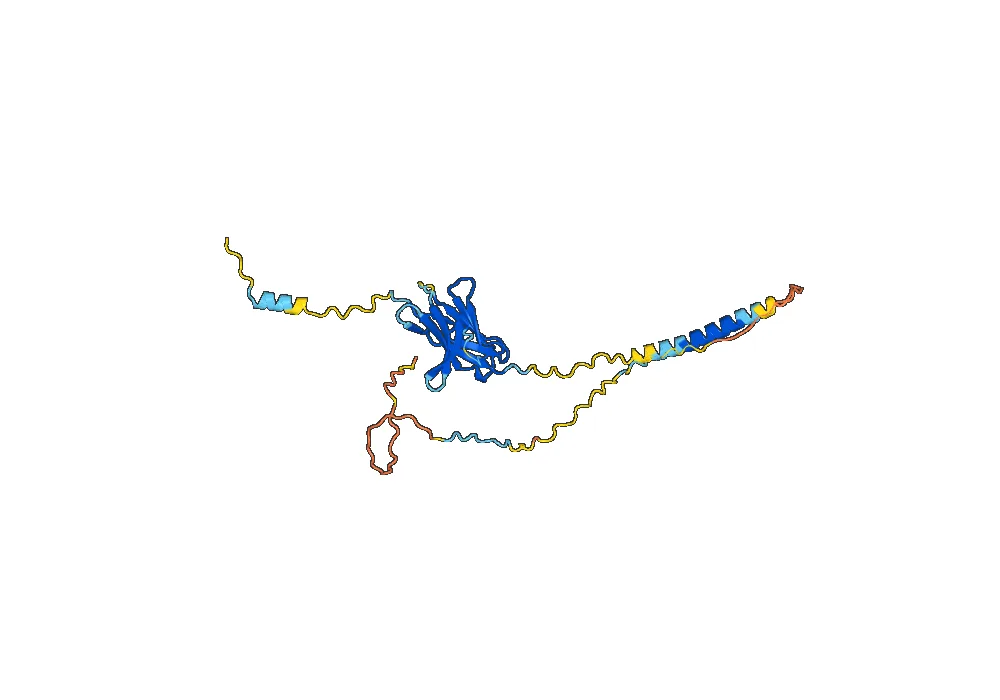
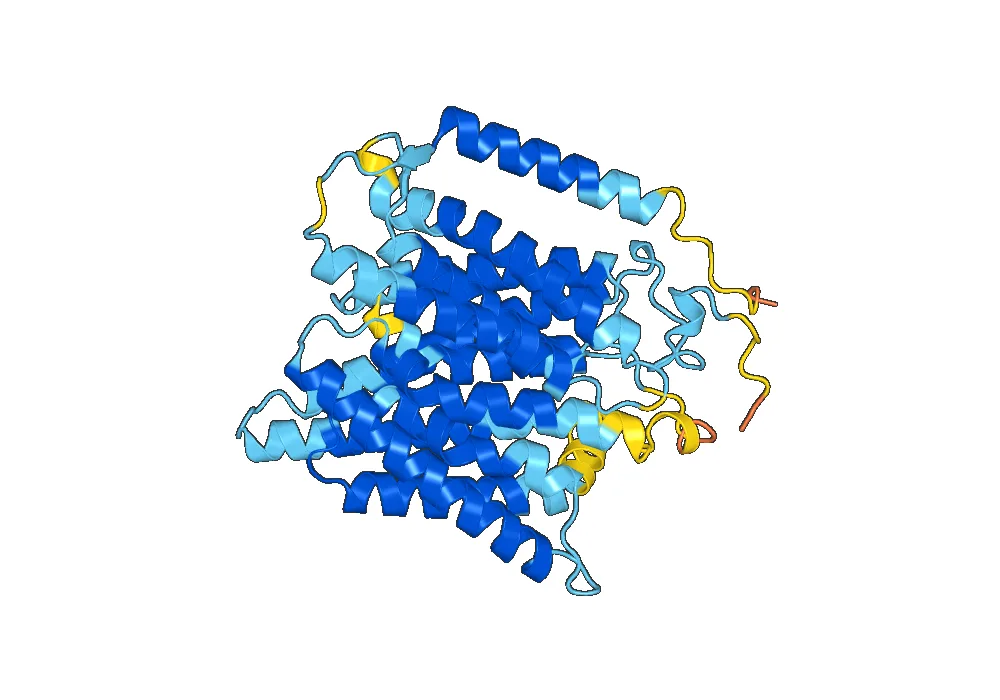
Roledumab Biosimilar, also known as Anti-RHD mAb, is a monoclonal antibody that targets the RHD protein. This protein is found on the surface of red blood cells and is responsible for the Rh blood group system. Roledumab Biosimilar is a research grade antibody that has potential therapeutic applications in the treatment of various diseases.
Structure of Roledumab Biosimilar
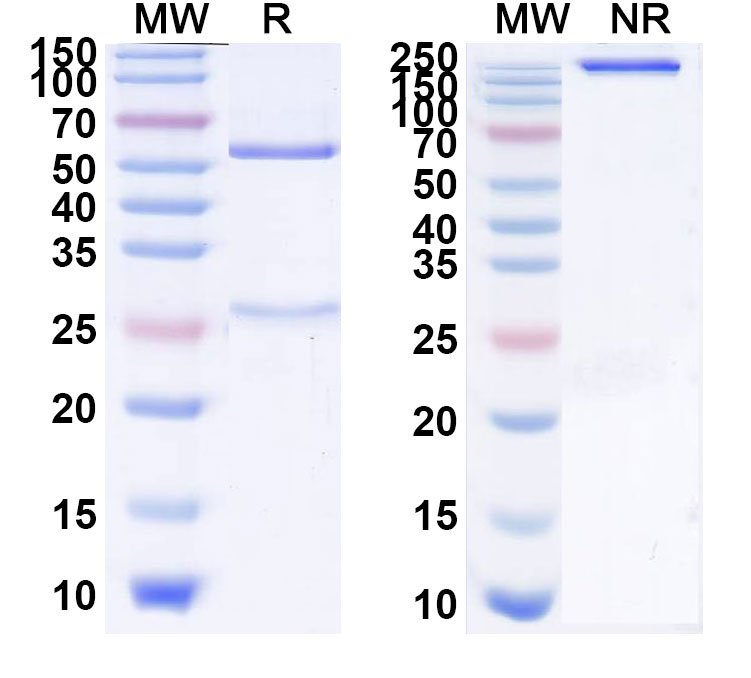
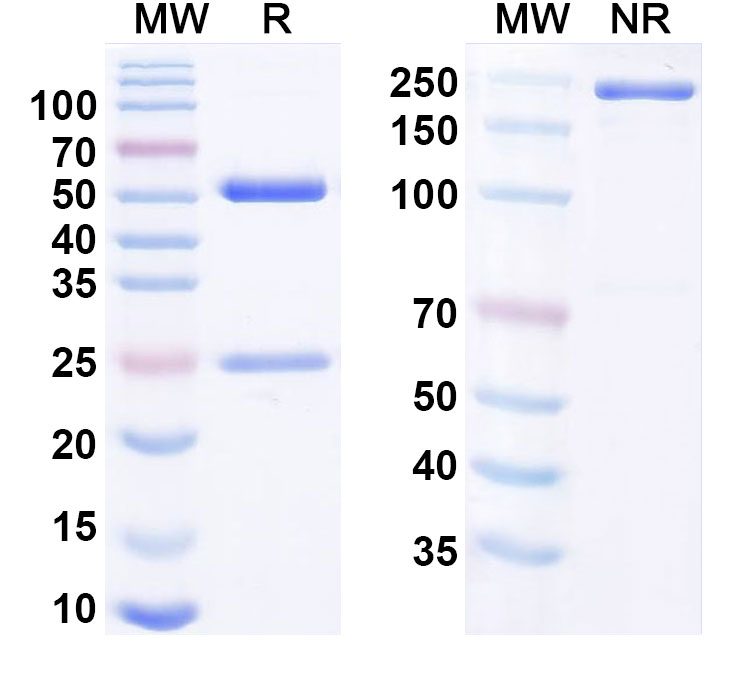
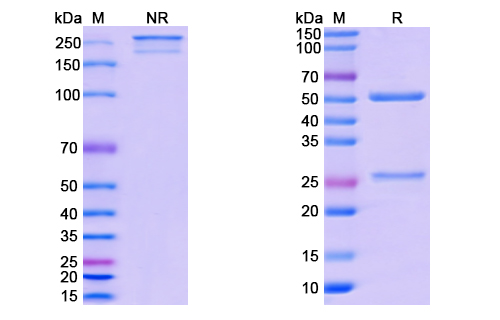
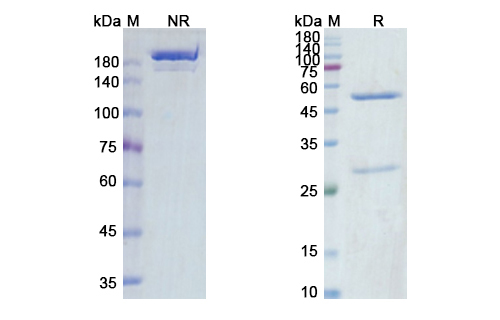
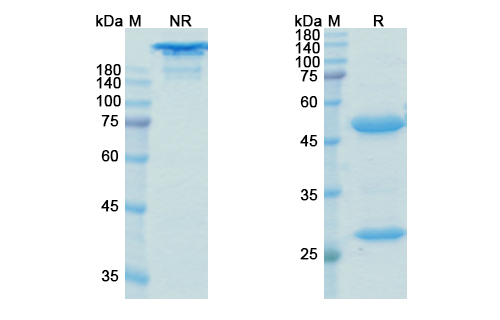
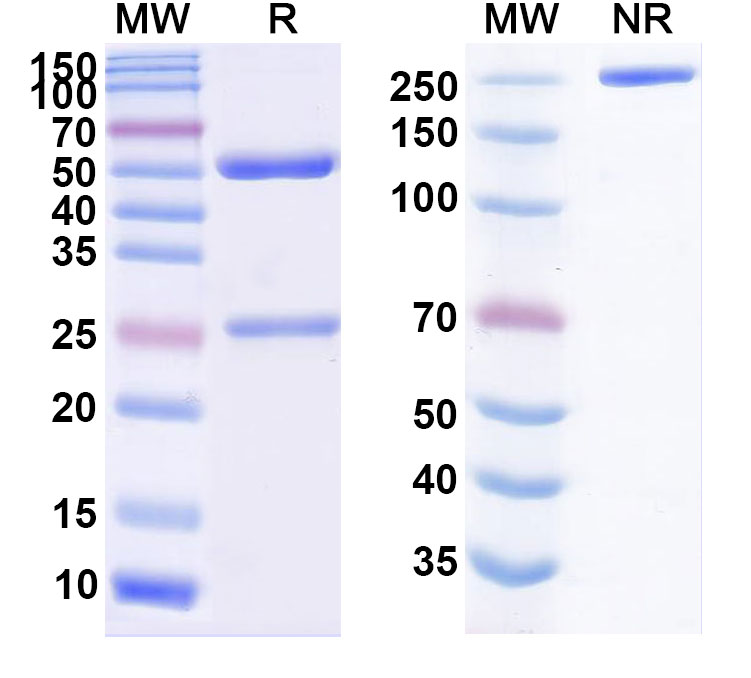
Roledumab Biosimilar is a recombinant humanized monoclonal antibody. It is composed of two heavy chains and two light chains, each containing a variable and constant region. The variable region is responsible for binding to the RHD protein, while the constant region determines the antibody’s effector functions.
Activity of Roledumab Biosimilar
Roledumab Biosimilar specifically targets the RHD protein, which is found on the surface of red blood cells. It binds to this protein and prevents it from interacting with other molecules, thereby inhibiting its function. This can have therapeutic effects in diseases where the RHD protein plays a role, such as autoimmune disorders and certain cancers.
Roledumab Biosimilar also has effector functions that can activate the immune system. This includes activating complement proteins and recruiting immune cells to the site of action. These functions can help in the clearance of diseased cells and enhance the body’s natural defense mechanisms.
Application of Roledumab Biosimilar
Roledumab Biosimilar has potential applications in various diseases where the RHD protein is involved. One of the main therapeutic targets is autoimmune disorders, where the RHD protein is believed to play a role in the development and progression of the disease. By targeting and inhibiting this protein, Roledumab Biosimilar can potentially alleviate symptoms and improve patient outcomes.
Roledumab Biosimilar can also be used in the treatment of certain cancers, where the RHD protein is overexpressed. By binding to this protein, Roledumab Biosimilar can inhibit its function and potentially slow down the growth of cancer cells. It can also be used in combination with other therapies to enhance their effectiveness.
In addition, Roledumab Biosimilar has potential applications in the field of blood transfusion medicine. In individuals with Rh-negative blood, exposure to Rh-positive blood can lead to an immune response and potentially life-threatening complications. Roledumab Biosimilar can be used to prevent this response by targeting and blocking the RHD protein on the surface of Rh-positive red blood cells.
Conclusion
Roledumab Biosimilar, also known as Anti-RHD mAb, is a research grade monoclonal antibody that specifically targets the RHD protein. It has potential therapeutic applications in various diseases, including autoimmune disorders, cancers, and in the field of blood transfusion medicine. Its structure and activity make it a promising candidate for the development of novel therapies. Further research and clinical trials are needed to fully understand the potential of Roledumab Biosimilar in improving patient outcomes.

There are no reviews yet.