Introduction to Vanalimab Biosimilar – Anti-CD40 mAb
Vanalimab Biosimilar – Anti-CD40 mAb is a monoclonal antibody that targets the CD40 protein, making it a promising therapeutic option for a variety of diseases. This biosimilar version of the original anti-CD40 mAb has been extensively researched and developed to provide a more cost-effective and accessible treatment option for patients.
Structure of Vanalimab Biosimilar – Anti-CD40 mAb
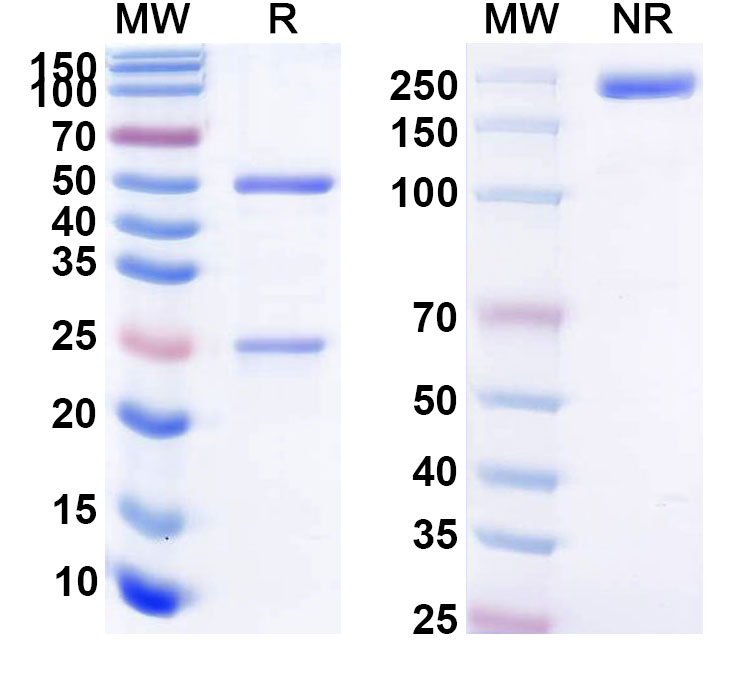
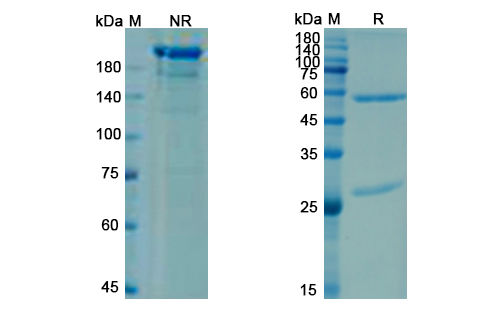
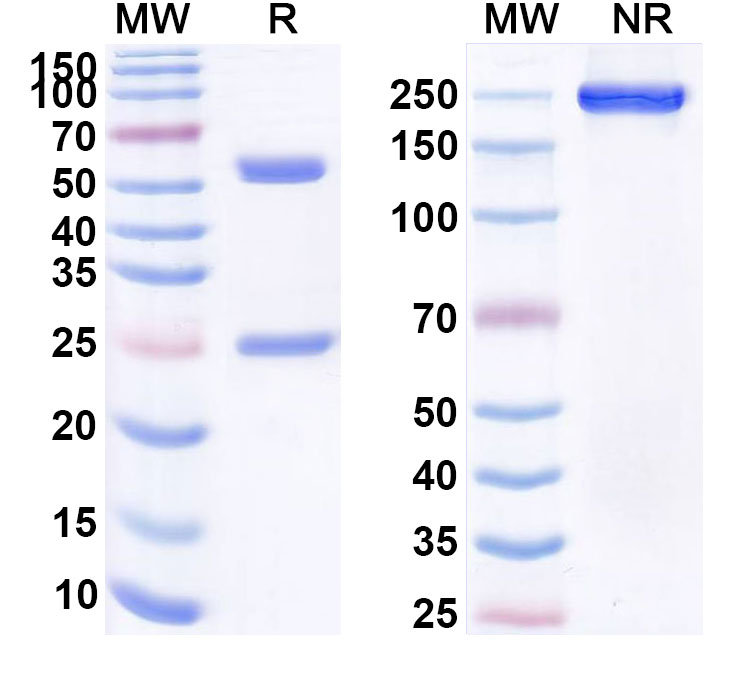
Vanalimab Biosimilar – Anti-CD40 mAb is a recombinant humanized monoclonal antibody, meaning it is derived from human genes and modified to have a higher affinity for its target. It is composed of two heavy chains and two light chains, each with a specific sequence of amino acids that determine its structure and function.
The antibody has a Y-shaped structure, with the two heavy chains forming the arms and the two light chains forming the base. The arms contain the variable regions, which are responsible for binding to the CD40 protein. The base contains the constant regions, which are responsible for the effector functions of the antibody.
Mechanism of Action
Vanalimab Biosimilar – Anti-CD40 mAb works by binding to the CD40 protein, which is present on the surface of immune cells such as B cells, dendritic cells, and macrophages. This binding activates the CD40 protein, leading to a cascade of signaling events that ultimately result in the activation and proliferation of immune cells.
This activation of immune cells has multiple effects, including the production of cytokines and chemokines, which help to recruit and activate other immune cells. It also leads to the production of antibodies, which can help to target and eliminate disease-causing agents.
Therapeutic Applications
Vanalimab Biosimilar – Anti-CD40 mAb has shown promise in a variety of diseases, making it a versatile therapeutic option. Some of the key therapeutic applications of this antibody include:
Cancer CD40 is overexpressed in many types of cancer, making it a potential therapeutic target. Vanalimab Biosimilar – Anti-CD40 mAb has been shown to have anti-tumor effects in preclinical studies, making it a promising option for cancer treatment.
Autoimmune Diseases
The activation of immune cells by CD40 can also contribute to the development of autoimmune diseases. By targeting and blocking CD40, Vanalimab Biosimilar – Anti-CD40 mAb can help to modulate the immune response and reduce inflammation in conditions such as rheumatoid arthritis, lupus, and multiple sclerosis.
Infectious Diseases
CD40 is also involved in the immune response to infectious agents. By activating immune cells, Vanalimab Biosimilar – Anti-CD40 mAb can help to enhance the body’s ability to fight off infections, making it a potential treatment option for diseases such as HIV, tuberculosis, and hepatitis B.
Transplant Rejection
The activation of immune cells by CD40 can also contribute to organ transplant rejection. Vanalimab Biosimilar – Anti-CD40 mAb has shown promise in preventing transplant rejection by modulating the immune response and promoting tolerance to the transplanted organ.
Conclusion
In conclusion, Vanalimab Biosimilar – Anti-CD40 mAb is a promising therapeutic option with a diverse range of potential applications. Its unique structure and mechanism of action make it a valuable addition to the arsenal of treatments available for various diseases. Further research and clinical trials are needed to fully explore the potential of this biosimilar antibody and its benefits for patients.

There are no reviews yet.