Introduction to Robatumumab Biosimilar – Anti-IGF1R, CD221 mAb
Robatumumab Biosimilar – Anti-IGF1R, CD221 mAb is a monoclonal antibody (mAb) that specifically targets the insulin-like growth factor 1 receptor (IGF1R) and cluster of differentiation 221 (CD221). This biosimilar is a highly specific and potent therapeutic agent that has shown promising results in preclinical studies. In this article, we will explore the structure, activity, and potential applications of Robatumumab Biosimilar in the field of antibody-based therapies.
Structure of Robatumumab Biosimilar
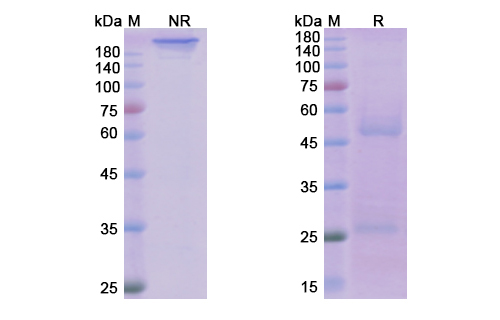
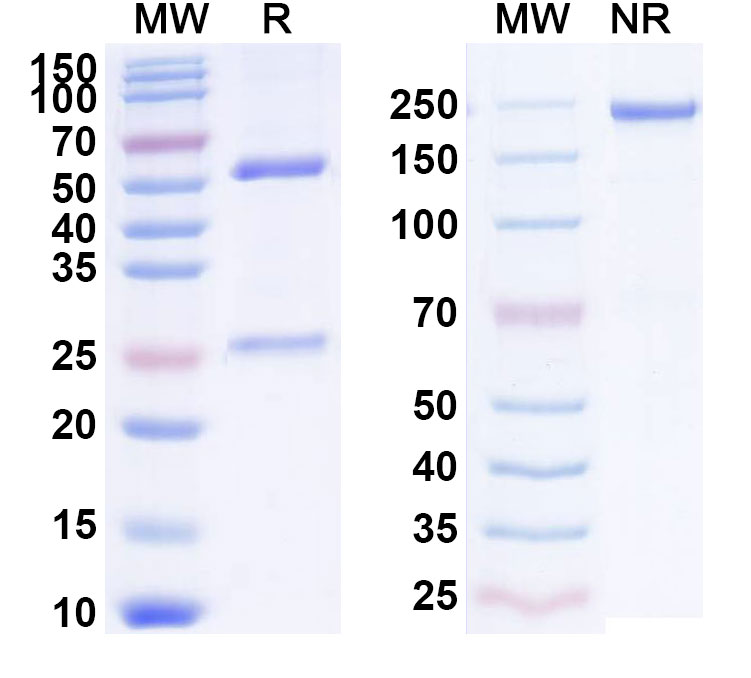
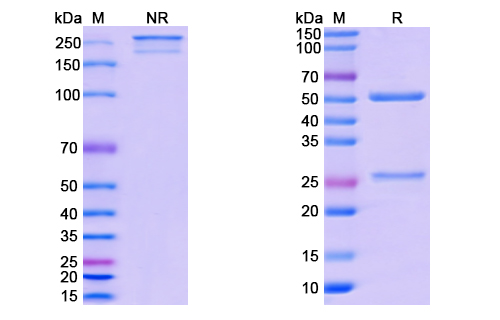
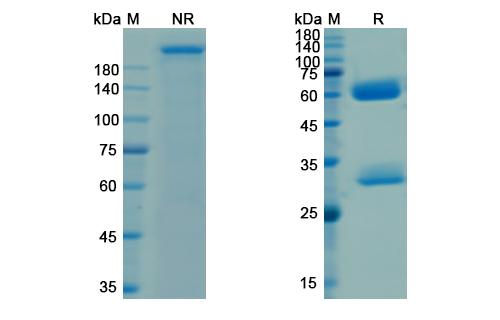
Robatumumab Biosimilar is a recombinant humanized IgG1 monoclonal antibody. It is composed of two heavy chains and two light chains, each containing a variable region and a constant region. The variable regions of the antibody are responsible for binding to the IGF1R and CD221 receptors, while the constant regions mediate effector functions such as antibody-dependent cellular cytotoxicity (ADCC) and complement-dependent cytotoxicity (CDC).
The amino acid sequence of Robatumumab Biosimilar is highly similar to that of its originator, making it a biosimilar rather than a generic version. This means that the structure and function of the antibody are comparable to the originator, ensuring its safety and efficacy.
Activity of Robatumumab Biosimilar
The primary activity of Robatumumab Biosimilar is the inhibition of IGF1R and CD221 signaling. IGF1R is a transmembrane receptor that plays a crucial role in cell proliferation, survival, and differentiation. It is overexpressed in various cancers, making it an attractive therapeutic target. CD221, also known as insulin-like growth factor 2 receptor (IGF2R), is another transmembrane receptor that binds to IGF2 and plays a role in regulating cell growth and differentiation.
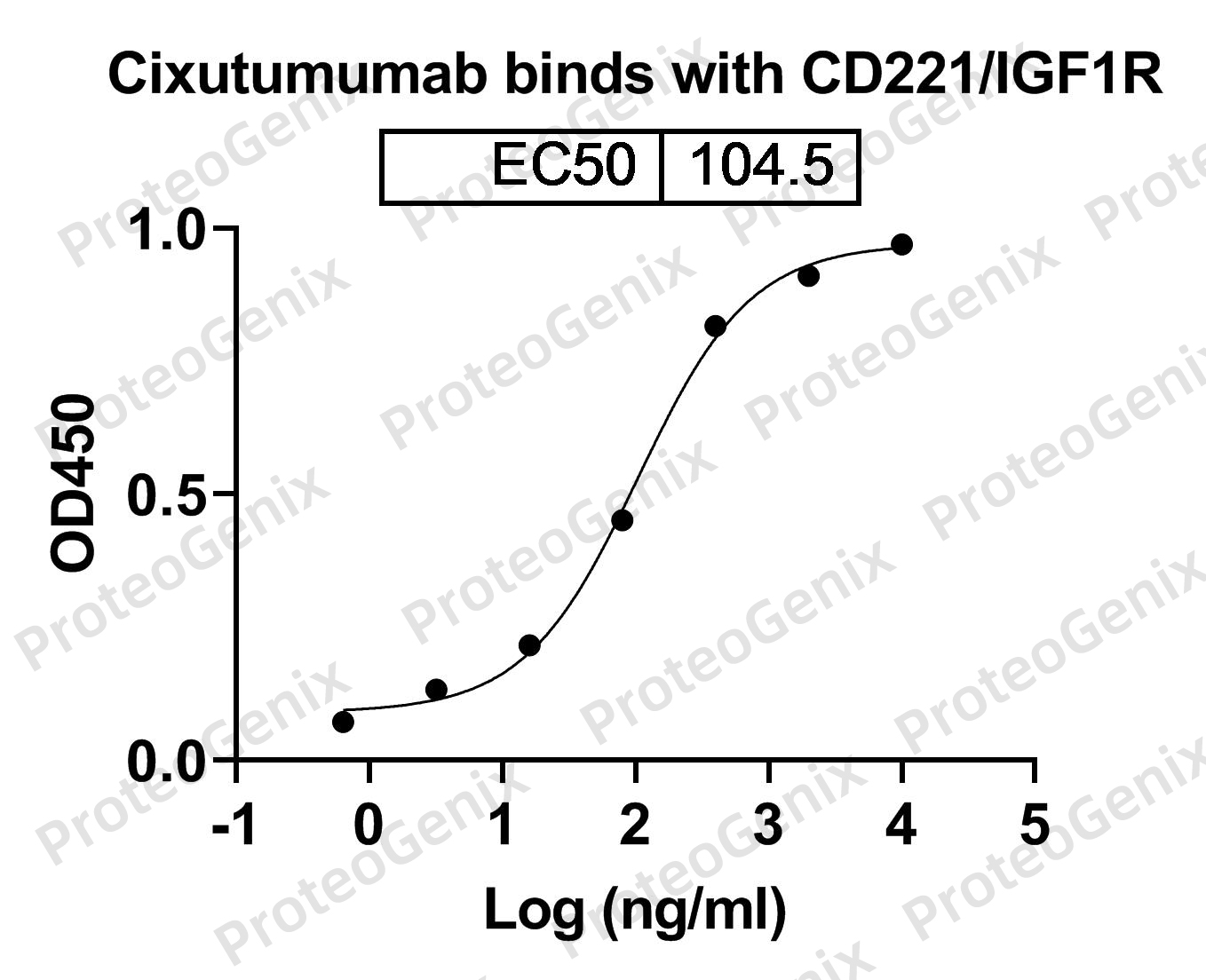
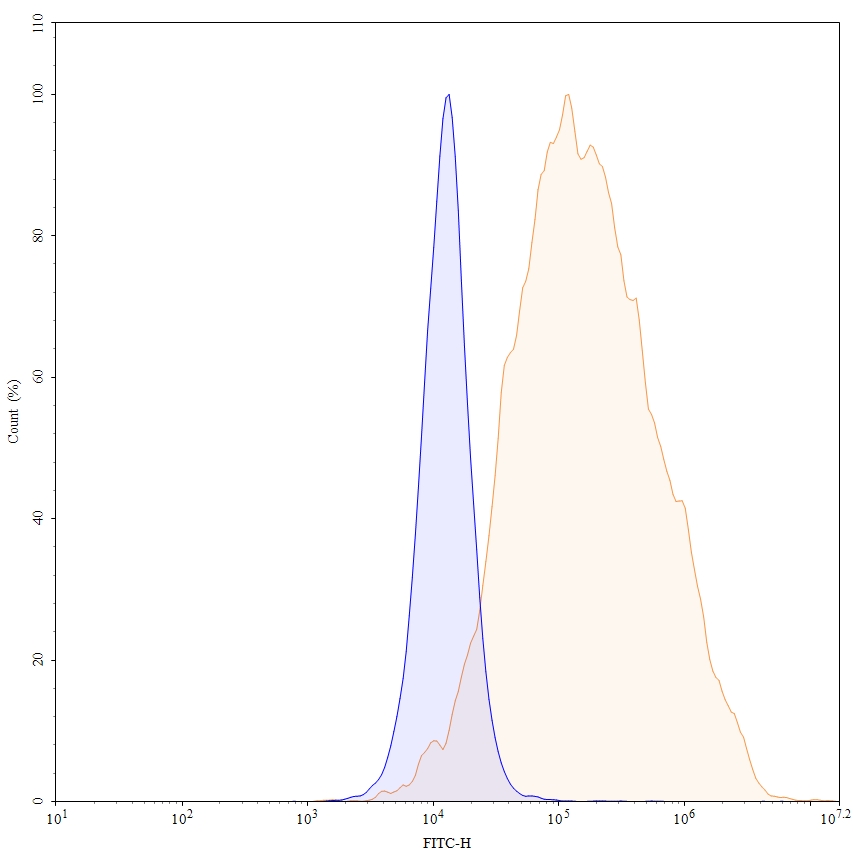
Robatumumab Biosimilar binds to both IGF1R and CD221 with high affinity, blocking the binding of their respective ligands and preventing downstream signaling. This results in the inhibition of tumor growth and survival, making it a promising therapeutic agent for cancer treatment.
Potential Applications of Robatumumab Biosimilar
Robatumumab Biosimilar has shown promising results in preclinical studies, making it a potential candidate for various applications in the field of antibody-based therapies. Some of the potential applications include:
1.
Cancer treatment: As mentioned earlier, IGF1R and CD221 are overexpressed in various cancers, making them attractive therapeutic targets. Robatumumab Biosimilar has shown potent anti-tumor activity in preclinical studies, making it a potential treatment option for cancers such as breast, lung, and prostate cancer.
2. Combination therapy: Robatumumab Biosimilar can also be used in combination with other anti- cancer therapies to enhance their effectiveness. For example, combining it with chemotherapy or targeted therapies can result in synergistic effects, leading to better treatment outcomes.
3. Precision medicine: With the increasing focus on personalized medicine, Robatumumab Biosimilar could play a crucial role in targeting specific subtypes of cancers. Its high specificity for IGF1R and CD221 makes it a potential candidate for precision medicine approaches.
4. Research tool: In addition to its therapeutic potential, Robatumumab Biosimilar can also serve as a valuable research tool for studying IGF1R and CD221 signaling pathways. Its high affinity and specificity make it a useful tool for studying the role of these receptors in various diseases.
Conclusion
Robatumumab Biosimilar – Anti-IGF1R, CD221 mAb is a highly specific and potent therapeutic agent that has shown promising results in preclinical studies. Its structure, activity, and potential applications make it a promising candidate for cancer treatment and other applications in the field of antibody-based therapies. Further clinical studies are needed to fully evaluate its safety and efficacy, but the future looks bright for this biosimilar in the world of precision medicine.

There are no reviews yet.