Introduction
Ofatumumab Biosimilar is a monoclonal antibody (mAb) that targets the protein CD20 on the surface of B-cells. It is a biosimilar of the original drug, Ofatumumab, and has been developed for research purposes. In this article, we will discuss the structure, activity, and potential applications of this biosimilar in the field of medicine.
Structure
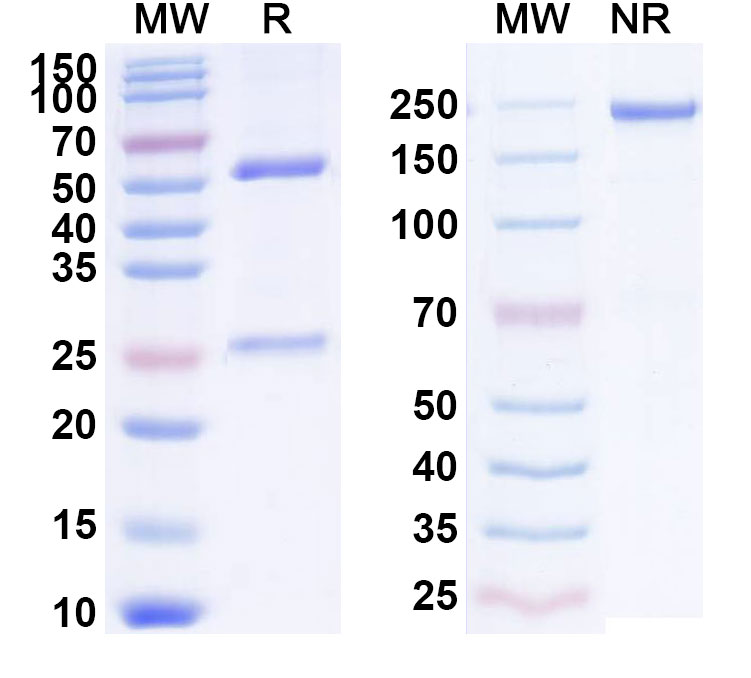
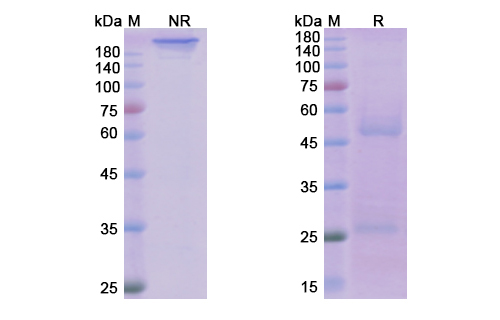
Ofatumumab Biosimilar is a fully humanized IgG1 kappa monoclonal antibody. It is composed of two identical heavy chains and two identical light chains, each with a molecular weight of approximately 150 kDa. The antibody has a Y-shaped structure, with two antigen-binding fragments (Fab) and one crystallizable fragment (Fc). The Fab regions are responsible for binding to the CD20 protein, while the Fc region plays a role in immune effector functions.
Activity
The primary activity of Ofatumumab Biosimilar is to target and bind to the CD20 protein on the surface of B-cells. This binding leads to the depletion of B-cells through various mechanisms, including antibody-dependent cellular cytotoxicity (ADCC), complement-dependent cytotoxicity (CDC), and direct induction of apoptosis. By depleting B-cells, Ofatumumab Biosimilar can modulate the immune response and potentially treat various diseases.
Targeting CD20
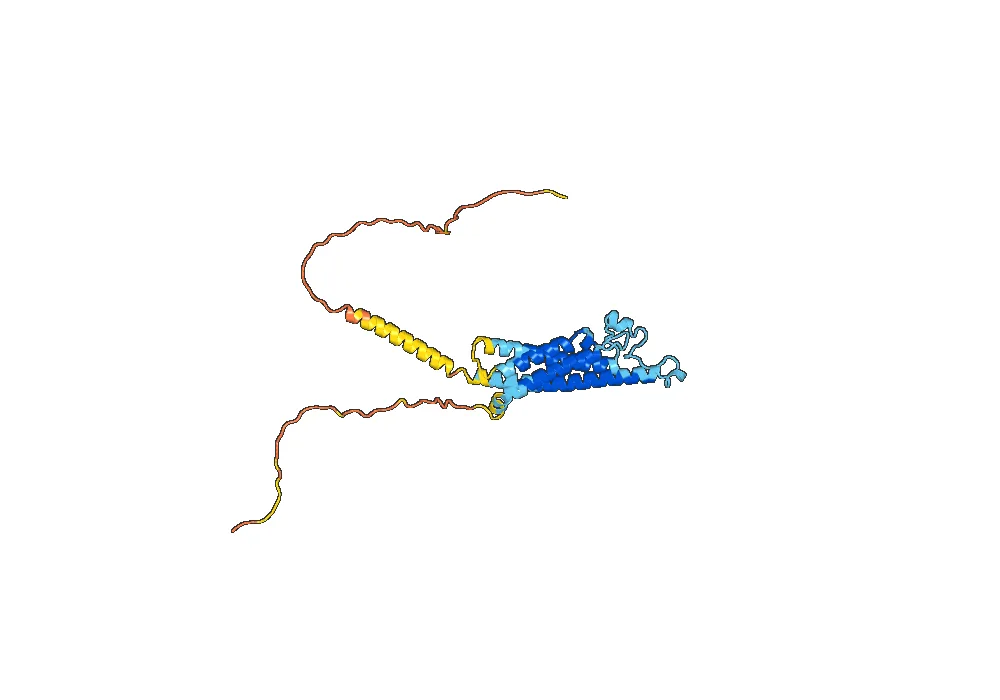
CD20 is a transmembrane protein expressed on the surface of B-cells, including both normal and malignant B-cells. It plays a crucial role in the development and differentiation of B-cells. However, in certain diseases, such as B-cell lymphomas and autoimmune disorders, CD20 becomes overexpressed, leading to abnormal B-cell proliferation. Ofatumumab Biosimilar specifically targets CD20, leading to the depletion of these abnormal B-cells and potentially treating these diseases.
Immune Effector Functions
In addition to targeting CD20, Ofatumumab Biosimilar can also activate immune effector functions through its Fc region. The Fc region can bind to Fc receptors on the surface of immune cells, such as natural killer (NK) cells and macrophages, triggering ADCC and CDC. This results in the destruction of B-cells and further modulates the immune response.
Applications
Ofatumumab Biosimilar has potential applications in the field of medicine, particularly in the treatment of B-cell-related disorders. Some of the diseases that could potentially benefit from this biosimilar include:
B-cell Lymphomas B-cell lymphomas are a group of cancers that originate from abnormal B-cells. Ofatumumab Biosimilar can target and deplete these abnormal B-cells, potentially treating B-cell lymphomas. It has shown promising results in clinical trials for the treatment of chronic lymphocytic leukemia (CLL) and follicular lymphoma.
Autoimmune Disorders
Autoimmune disorders, such as rheumatoid arthritis, multiple sclerosis, and systemic lupus erythematosus, are characterized by an overactive immune response. Ofatumumab Biosimilar can modulate the immune response by depleting B-cells, potentially treating these disorders. It has shown efficacy in clinical trials for the treatment of rheumatoid arthritis and multiple sclerosis.
Organ Transplant Rejection Organ
transplant rejection occurs when the immune system recognizes the transplanted organ as foreign and attacks it. B-cells play a role in this process by producing antibodies against the transplanted organ. Ofatumumab Biosimilar can deplete these B-cells and potentially prevent organ transplant rejection.
Future Potential
In addition to the above applications, Ofatumumab Biosimilar is also being studied for its potential in treating other diseases, such as autoimmune hemolytic anemia and pemphigus vulgaris. It may also have a role in combination therapy with other drugs for the treatment of certain cancers.
Conclusion


There are no reviews yet.